Following the successful completion of the Artemis II mission, NASA is now moving into the next phase of its Artemis programme, focused on preparing for the Artemis III mission. The mission is intended to return astronauts to the lunar surface for the first time since 1972 and marks a major step toward sustained human exploration beyond Earth.
As of April 2026, NASA has confirmed that Artemis III is targeting a launch no earlier than 2027, with the timeline dependent on the readiness of several critical systems.
Artemis Programme Status: Post-Artemis II
With Artemis II now complete, NASA has demonstrated:
Performance of the Orion spacecraft in a lunar trajectory
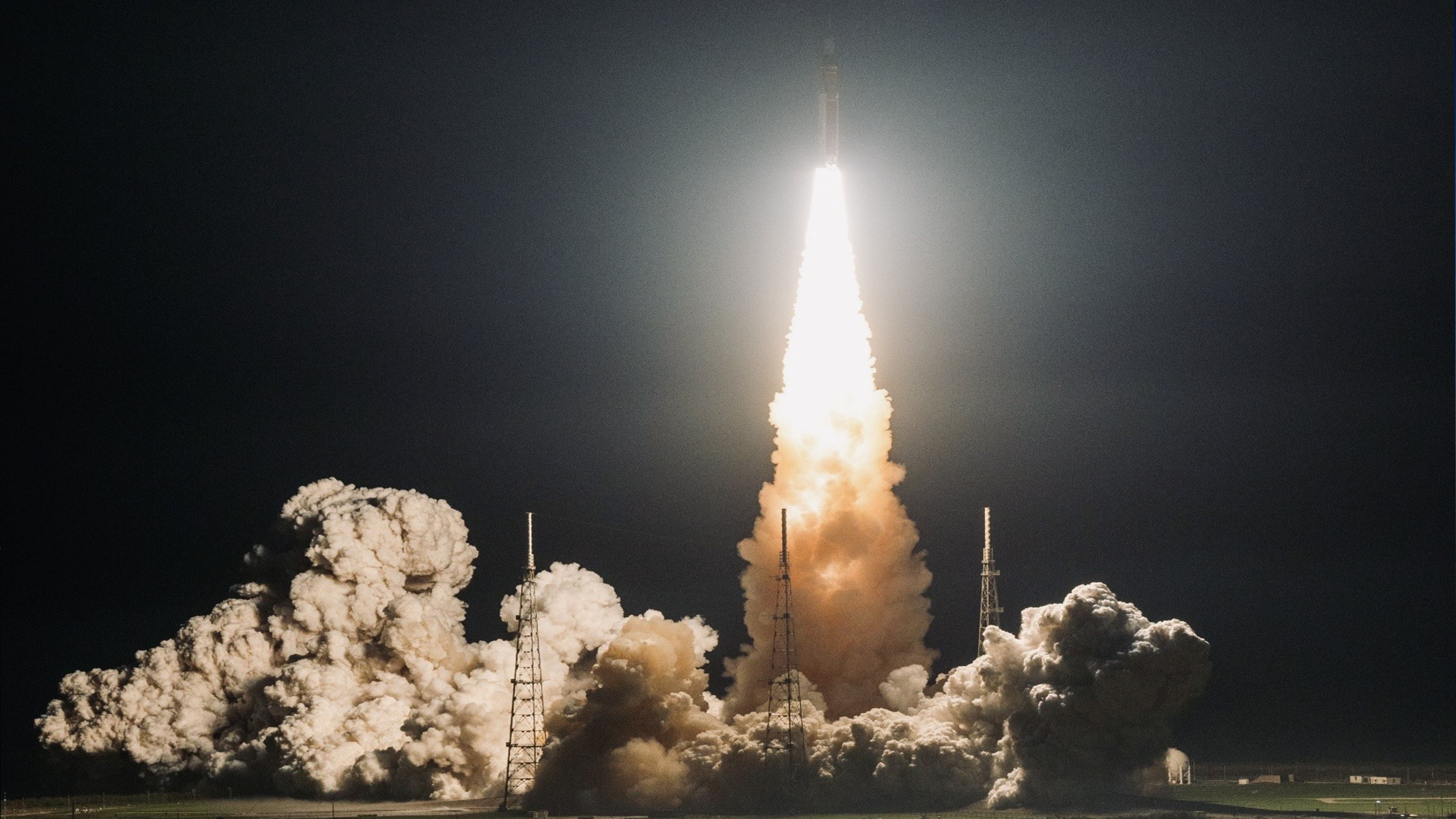
Integrated operations with the Space Launch System
The mission represents the first crewed journey around the Moon in more than five decades and serves as a validation step before attempting a lunar landing.
Artemis III Timeline and Constraints
NASA’s current schedule is driven by system readiness rather than fixed dates. Based on verified agency updates:
Artemis III: Targeted for no earlier than 2027
Key constraints:
Human Landing System development
Lunar spacesuit readiness
Full mission integration and safety certification
NASA has emphasized that Artemis III will proceed only once all systems meet strict safety requirements, meaning further adjustments to the schedule remain possible.
Mission Architecture: How Artemis III Will Work
Artemis III will involve a coordinated multi-system mission:
Launch and Lunar Transit
Astronauts will launch aboard the Space Launch System and travel to lunar orbit in the Orion spacecraft.
Lunar Orbit and Docking
In lunar orbit, the crew will rendezvous with a Human Landing System developed in partnership with SpaceX.
Descent to the Surface
Two astronauts are expected to transfer to the lander and descend to the Moon, while the remaining crew stays in orbit.
Landing Region
NASA has selected the lunar south polar region as the primary target due to its scientific importance and potential resources.
Surface Operations and Objectives
Artemis III is designed to extend human activity beyond the short-duration Apollo missions. Planned objectives include:
Exploration of permanently shadowed craters
Collection of lunar samples
Deployment of scientific instruments
Investigation of water ice deposits
Surface missions are expected to last several days, with longer-term goals of expanding mission duration in future phases.
Preparation Phase: Critical Systems in Development
Human Landing System
The Starship-based lunar lander remains in active development. NASA requires successful demonstration of orbital refuelling and system performance before approving the mission.
Next-Generation Spacesuits
New exploration suits are being developed to support extended operations and mobility in extreme lunar conditions.
Lunar Gateway
NASA continues work on the Lunar Gateway, which will support future Artemis missions, though it is not required for Artemis III.
Infrastructure and Training
Additional preparation includes:
Launch infrastructure upgrades
Deep-space astronaut training
Integration of international and commercial contributions
Strategic Focus: The Lunar South Pole
NASA’s selection of the lunar south pole reflects a shift toward long-term exploration. The region is believed to contain:
Water ice in permanently shadowed areas
Resources for future fuel production
Conditions suitable for sustained human presence
This approach aligns with NASA’s goal of building a long-term lunar exploration framework.
What Comes After Artemis III
Artemis III is part of a broader plan to expand human presence beyond Earth orbit. Future missions are expected to:
Support construction and use of the Lunar Gateway
Increase duration and complexity of lunar missions
Establish infrastructure for a long-term lunar base
Advance technologies for eventual human missions to Mars
Outlook
As of April 2026, NASA has successfully completed Artemis II and is now focused on preparing for Artemis III. While timelines remain dependent on technical readiness, the mission is widely viewed as the next major step in returning humans to the Moon and beginning a sustained era of deep-space exploration.
About the Author Brad Socha is the founder of The Universal Record, an independent platform dedicated to sourced, factual reporting on global events. The publication focuses on delivering verified information without opinion or editorial bias. Based in Canada, the publication covers international news, geopolitics, technology, and global developments.



Leave a Reply