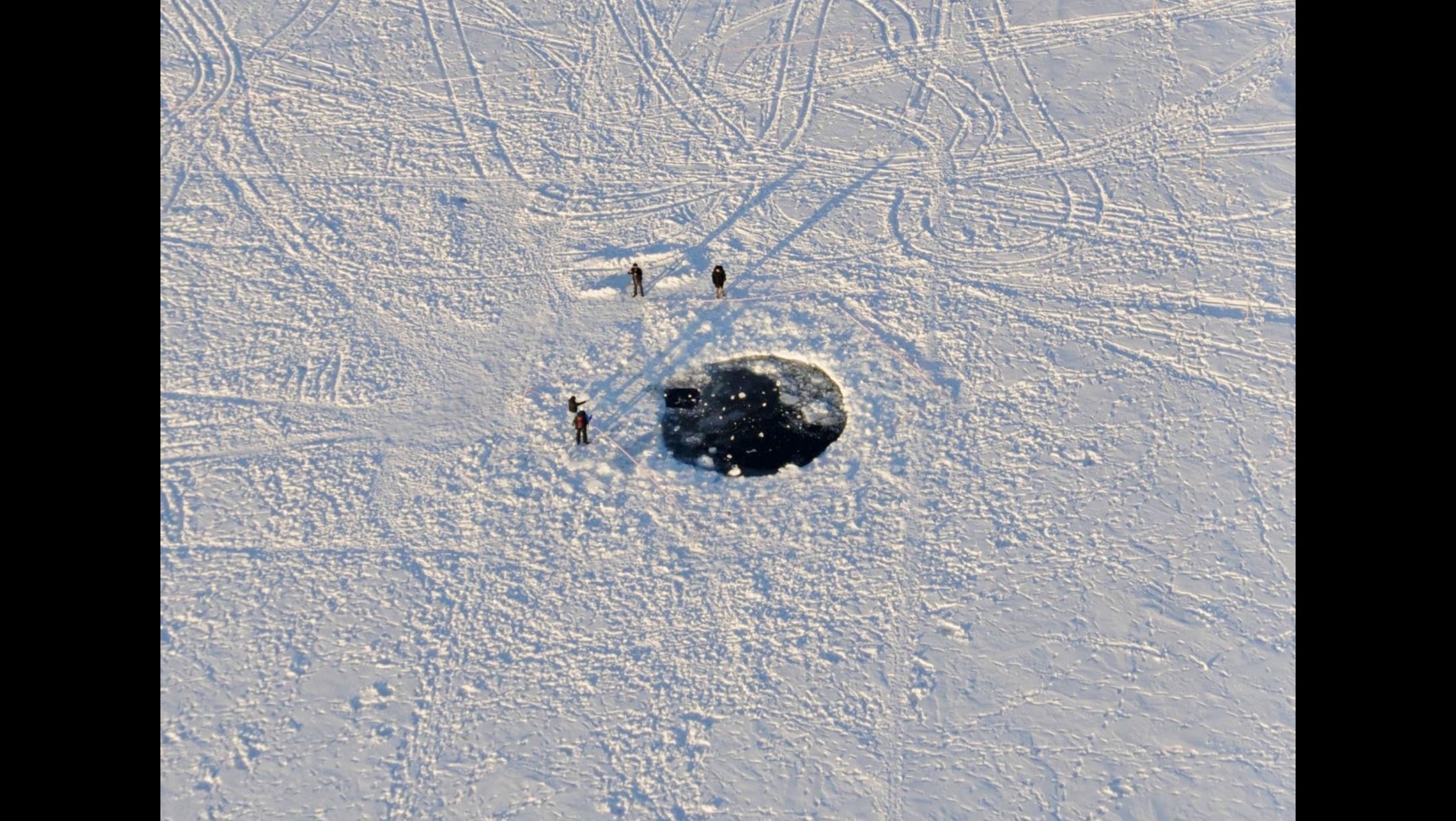
On February 15, 2013, a meteor approximately 20 metres wide entered Earth’s atmosphere over the Chelyabinsk region of Russia, producing one of the most significant recorded airburst events in modern history. Travelling at an estimated 19 kilometres per second, the object fragmented at high altitude, releasing energy comparable to several hundred kilotons of TNT.
The explosion generated a powerful shockwave that damaged buildings across the city of Chelyabinsk and surrounding areas. According to official Russian emergency services and international space agencies, more than 1,000 people were treated for injuries, most caused by shattered glass after the blast wave reached ground level minutes later.
NASA later confirmed that the Chelyabinsk meteor was the largest known object to enter Earth’s atmosphere since the 1908 Tunguska event in Siberia. The incident was widely recorded on dashcams and security cameras, providing scientists with extensive visual data for analysis.
Research conducted after the event indicated the meteor was likely a stony chondrite asteroid fragment. Pieces recovered from frozen lakes helped researchers study its composition and trajectory. The event accelerated international cooperation on planetary defence, including expanded monitoring programmes for near-Earth objects.
Following Chelyabinsk, organisations such as NASA’s Planetary Defense Coordination Office and the European Space Agency increased public awareness initiatives and developed improved early-warning systems designed to detect smaller incoming objects that may not be visible through traditional telescopes.
No fatalities were officially attributed directly to the meteor, but the event remains one of the most widely documented natural atmospheric explosions in modern times.
About the Author Brad Socha is the founder of The Universal Record, focused on sourced, factual global reporting. Coverage includes international news, geopolitics, technology, and major developments.