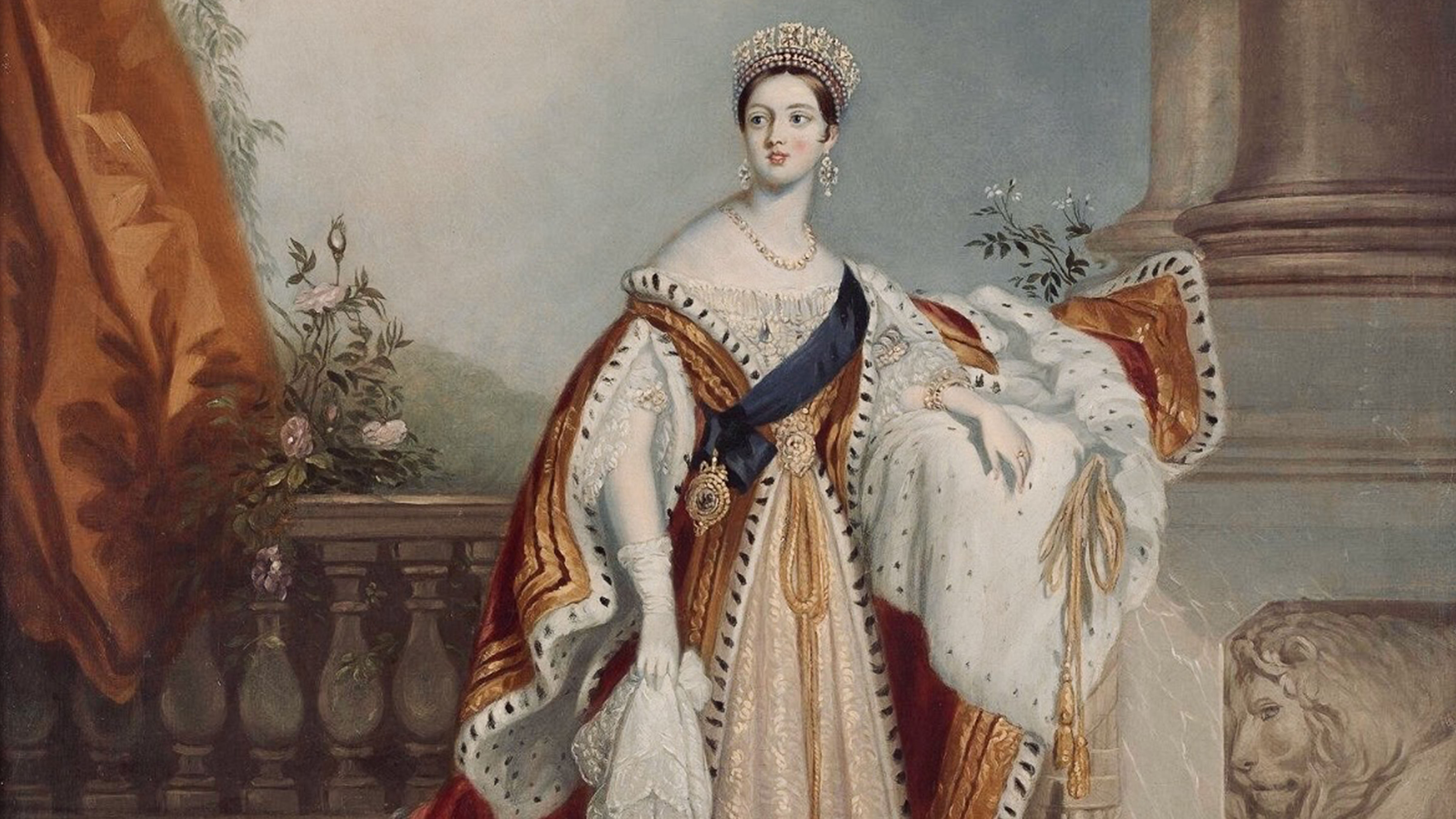
An 18-year-old queen began a reign that would shape modern Britain, accelerate industrial transformation, and oversee the expansion of a global empire.
On the morning of June 20, 1837, an 18-year-old princess was awakened at Kensington Palace with life-changing news. King William IV had died, and she was now Queen Victoria, sovereign of the United Kingdom. The moment marked the beginning of the Victorian Era, a period that would leave a lasting imprint on politics, industry, science, culture, and global affairs.
Nearly two centuries later, Victoria’s accession remains one of the defining turning points of modern history. Her reign lasted more than 63 years, making her the longest-serving British monarch until that record was surpassed by Queen Elizabeth II. During those decades, Britain underwent dramatic transformation, emerging as the world’s leading industrial power while overseeing an empire that stretched across multiple continents.
Victoria’s story began years before she took the throne. Born Alexandrina Victoria on May 24, 1819, she was the daughter of Prince Edward, Duke of Kent, the fourth son of King George III. At birth, few expected that she would one day become queen. However, a series of deaths within the royal family gradually moved her closer to the line of succession.
By the time William IV became king in 1830, it had become increasingly likely that Victoria would inherit the crown. The aging monarch had no surviving legitimate children, and Victoria’s position as heir apparent became clear. William reportedly hoped to live until she reached adulthood so that a regency would not be necessary. He succeeded by only a few weeks.
When news of the king’s death arrived at Kensington Palace shortly after dawn on June 20, Victoria was summoned to meet senior officials, including the Archbishop of Canterbury and the Lord Chamberlain. Later recalling the moment, she described receiving the news with a deep sense of responsibility.
That same day, she attended her first meeting of the Privy Council at St. James’s Palace. Observers noted her calm demeanor despite her youth. The new queen stood alone before experienced politicians and government leaders, conducting herself with a confidence that impressed many in attendance.
Victoria inherited a constitutional monarchy that had already undergone significant political change. The Reform Act of 1832 had expanded representation in Parliament, and Britain’s political system was evolving toward greater democratic participation. Unlike earlier monarchs who exercised substantial direct political influence, Victoria’s role would increasingly become one of constitutional leadership rather than executive authority.
Her early years on the throne were closely connected to Prime Minister Lord Melbourne, who became an important adviser and mentor. The relationship helped the young monarch navigate the complexities of government while adapting to her public responsibilities.
Beyond politics, the Britain Victoria inherited was in the midst of the Industrial Revolution. Steam power, mechanized manufacturing, railways, and expanding trade networks were transforming daily life at a pace previously unseen in human history.
During Victoria’s reign, railroads expanded across Britain and beyond. Cities grew rapidly as people moved from rural communities to industrial centers. Factories increased production, global trade flourished, and technological innovation accelerated. The era witnessed major advances in engineering, medicine, communications, and transportation.
One symbolic moment came in 1851 with the Great Exhibition in London’s Crystal Palace. Organized largely through the efforts of Prince Albert, Victoria’s husband, the exhibition showcased inventions, machinery, and products from around the world. It demonstrated Britain’s industrial strength and reflected the growing international exchange of technology and ideas.
Victoria’s marriage to Prince Albert in 1840 also shaped the monarchy itself. The couple had nine children, many of whom married into European royal families. Through these dynastic connections, Victoria became known as the “Grandmother of Europe.” Her descendants would eventually occupy thrones and royal houses across the continent.
The Victorian Era was not defined solely by progress and prosperity. Rapid industrialization brought difficult social challenges. Urban overcrowding, poor working conditions, child labour, and public health crises became major concerns. Reform movements emerged to address these issues, leading to new labour protections, sanitation improvements, and educational initiatives.
The British Empire also expanded significantly during Victoria’s reign. Territories across Africa, Asia, the Pacific, and other regions came under British influence or control. By the late nineteenth century, Britain governed one of the largest empires in recorded history.
This expansion generated enormous economic opportunities but also created tensions and conflicts that continue to shape international discussions today. Historians often examine the Victorian period through both its achievements and its consequences, recognizing the complex legacy of imperial rule.
One of the most significant events of Victoria’s reign occurred in 1857 during the Indian Rebellion. The uprising led to major changes in British governance in India. The East India Company’s rule ended, and authority passed directly to the British Crown. In 1876, Victoria was formally proclaimed Empress of India, reflecting the growing importance of the subcontinent within the empire.
Scientific and technological progress accelerated throughout the Victorian period. Charles Darwin published On the Origin of Species in 1859, transforming scientific understanding of evolution. Telegraph networks revolutionized communication. Advances in medicine improved survival rates and public health. Innovations in engineering reshaped transportation and urban development.
The Victorian Era also produced enduring cultural achievements. Writers such as Charles Dickens, the Brontë sisters, Thomas Hardy, Alfred Lord Tennyson, and Robert Louis Stevenson created works that remain widely read today. Museums, universities, libraries, and cultural institutions expanded during the period, contributing to a broader public engagement with education and the arts.
Victoria herself became an increasingly symbolic figure. Following Prince Albert’s death in 1861, she entered a prolonged period of mourning that shaped public perceptions of the monarchy. Although criticism emerged over her reduced public appearances, she eventually regained popularity and came to represent stability during an era of profound change.
By the time Queen Victoria celebrated her Diamond Jubilee in 1897, she had become one of the most recognized figures in the world. Millions of people across the empire participated in commemorations marking sixty years on the throne.
When Victoria died on January 22, 1901, at Osborne House on the Isle of Wight, the Victorian Era effectively came to an end. Yet its influence endured. Modern parliamentary government, industrial infrastructure, global trade networks, urban development, scientific institutions, and many aspects of contemporary society were shaped during the decades that began with her accession in 1837.
The young queen who inherited the throne at age eighteen could not have known the scale of the transformation that lay ahead. Her reign became one of the defining chapters of modern history, linking an age of monarchy with the emergence of the industrial and globalized world.
About the Author Brad Socha is the founder of The Universal Record, focused on sourced, factual global reporting. Coverage includes international news, geopolitics, technology, and major developments.