El Niño Is Returning. Here’s What Scientists Expect Next
Meteorological agencies say warming Pacific Ocean waters could reshape weather patterns, agriculture, water supplies, and economies across multiple continents in the months ahead.
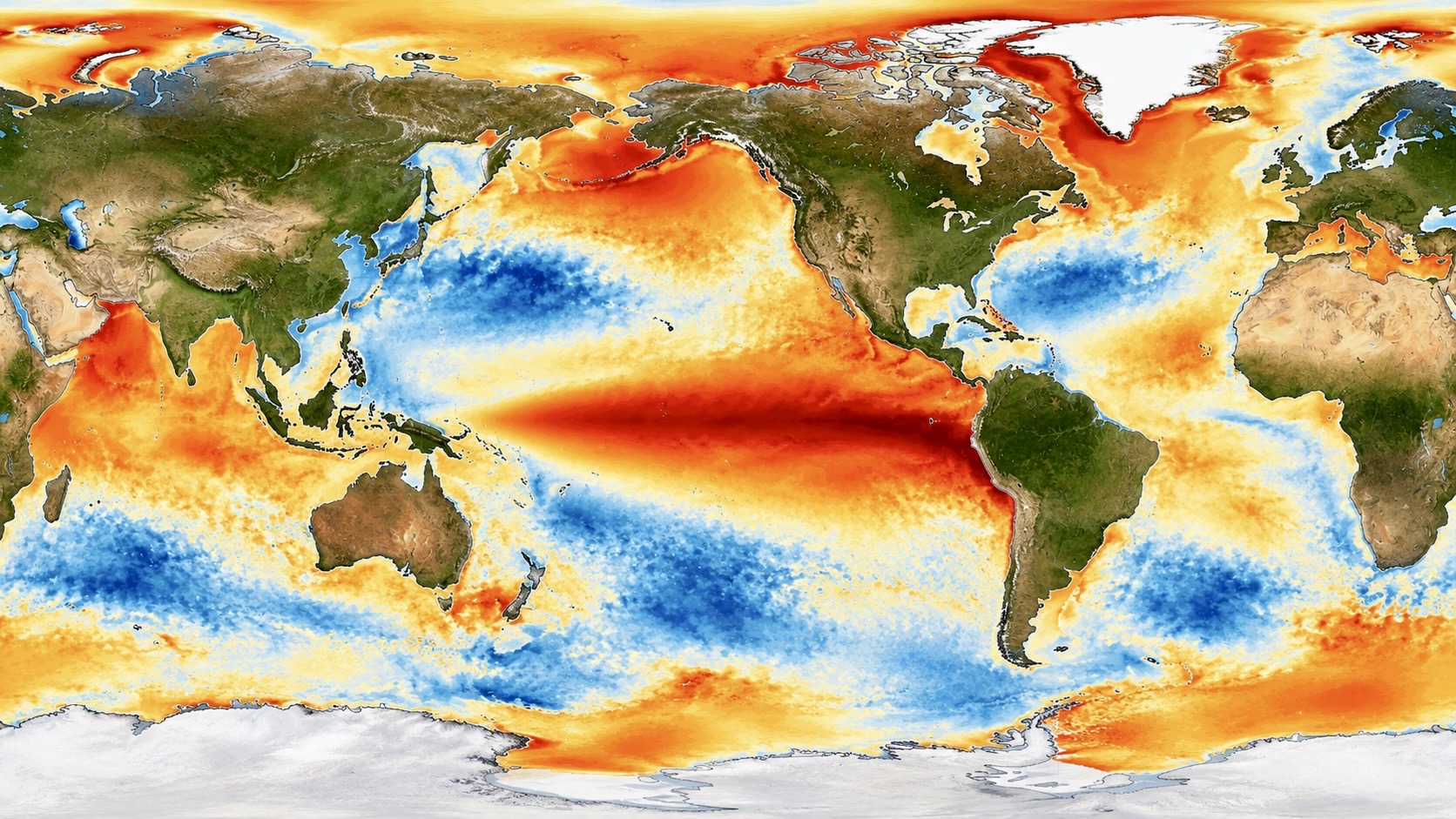
Scientists around the world are closely monitoring the Pacific Ocean as evidence continues to grow that El Niño conditions are developing and could become one of the most important drivers of global weather during the second half of 2026 and into 2027. Forecasts from the World Meteorological Organization (WMO), NOAA, and other forecasting centres indicate that the probability of El Niño formation has risen sharply, with some models suggesting the event could strengthen significantly in the months ahead.
While El Niño is a naturally occurring ocean-atmosphere phenomenon, its impacts can extend far beyond the Pacific. Previous strong events have influenced rainfall, drought, flooding, wildfire conditions, agricultural production, fisheries, energy demand, and commodity markets across multiple continents.
For governments, farmers, insurers, utilities, and emergency management agencies, the question is no longer whether El Niño is developing. The focus is increasingly shifting toward how strong it may become and which regions could be affected most.
What Is El Niño?
El Niño is the warm phase of the El Niño-Southern Oscillation (ENSO), a recurring climate pattern that develops when sea surface temperatures in the central and eastern equatorial Pacific Ocean become significantly warmer than average. These temperature changes alter atmospheric circulation patterns, affecting weather around the globe.
Meteorologists monitor a region of the Pacific known as Niño 3.4, where ocean temperature anomalies are used to determine whether El Niño, La Niña, or neutral conditions exist. Recent observations show rapid warming in this region, accompanied by unusually warm subsurface waters that often precede stronger El Niño development.
The WMO now places the likelihood of El Niño developing during the June-August period at approximately 80%, with probabilities exceeding 90% that it will persist into late 2026. Most forecast models indicate at least a moderate event, while some suggest the potential for stronger conditions.
Why Scientists Are Paying Close Attention
El Niño does not affect every region equally. Some areas experience increased rainfall and flooding, while others face drought and elevated wildfire risk.
One reason forecasters are watching closely is the speed of recent ocean warming. Satellite observations, ocean buoys, and subsurface measurements have detected a rapid transition from neutral conditions toward El Niño, a pattern that often precedes significant global weather disruptions.
Researchers are also examining whether enhanced solar activity may interact with broader atmospheric patterns influencing weather variability. While El Niño itself is driven primarily by ocean-atmosphere dynamics in the Pacific, scientists continue studying how solar cycles may affect regional weather systems and atmospheric circulation patterns.
North America often experiences distinct El Niño impacts. Parts of the southern United States may receive increased winter precipitation, while some northern regions can see milder winter conditions. California frequently receives above-average winter rainfall during stronger El Niño events, although outcomes vary considerably from event to event.
South America can experience dramatic shifts as well. Peru and Ecuador have historically seen heavy rainfall and flooding during strong El Niño years, while other areas may face agricultural disruptions.
Across Asia, forecasters are particularly concerned about potential impacts on monsoon systems. India, Southeast Asia, Indonesia, and parts of Australia have historically experienced reduced rainfall during major El Niño events, increasing risks to agriculture, reservoirs, and hydroelectric generation. Current reports already indicate growing concern over dry conditions in several important food-producing regions.
In Africa, outcomes vary by region. Some eastern areas may receive heavier rainfall, while southern regions can face drought conditions that affect food production and water availability.
Australia is among the countries that often monitor El Niño most closely. Previous strong events have coincided with increased drought risk, water shortages, and heightened wildfire danger.
Agriculture, Food, and Economic Impacts
The effects of El Niño often extend well beyond weather forecasts.
Agricultural production can be heavily influenced by changing rainfall patterns and temperature extremes. Crops including rice, wheat, corn, cocoa, coffee, palm oil, and sugar may be affected depending on regional conditions.
Major commodity markets are already paying attention. Weather disruptions in key agricultural regions can influence food prices, export volumes, and global supply chains. Some analysts are particularly focused on cocoa, grains, and edible oils because production regions may experience unusual weather patterns if El Niño strengthens further.
Energy systems can also feel the impact. Increased air-conditioning demand during heatwaves can raise electricity consumption, while drought conditions may reduce hydroelectric generation in some regions.
The insurance industry is another sector watching closely. Flooding, storms, droughts, and wildfire activity associated with previous El Niño events have generated billions of dollars in economic losses worldwide.
El Niño can influence tropical cyclone activity around the world.
In the Atlantic basin, El Niño typically increases upper-level wind shear, which tends to suppress hurricane formation. NOAA’s outlook for 2026 reflects this relationship, with forecasters expecting below-average Atlantic hurricane activity compared with some recent years.
The Pacific, however, can experience the opposite effect, with increased cyclone activity in some regions.
Wildfire risks may also rise in areas that experience drought and prolonged heat. Indonesia, Australia, and portions of South America have all experienced severe fire seasons during past El Niño events.
What Remains Uncertain?
Despite advances in forecasting, scientists stress that uncertainty remains.
Forecast confidence is high that El Niño is developing, but questions remain about its ultimate strength, duration, and regional impacts. Historical events have demonstrated that no two El Niño episodes are identical.
Researchers continue refining forecast models using satellite observations, ocean monitoring networks, artificial intelligence systems, and advanced climate simulations. These tools have improved forecasting accuracy considerably, but local outcomes can still vary significantly from long-range projections.
Looking Ahead
For now, meteorological agencies, governments, agricultural organizations, utilities, and emergency planners are preparing for a period of heightened weather variability.
Whether the developing El Niño ultimately reaches moderate or strong intensity, its influence is already becoming a major factor in seasonal forecasting across much of the world. Over the coming months, ocean temperatures in the Pacific will provide clearer signals about how significant this event may become and how communities should prepare for its potential impacts.
About the Author Brad Socha is the founder of The Universal Record, focused on sourced, factual global reporting. Coverage includes international news, geopolitics, technology, and major developments.