The discovery of organic molecules on Mars is capturing global attention right now because it brings scientists one step closer to answering one of humanity’s biggest questions: has life ever existed beyond Earth? As space agencies push forward with ambitious missions and future plans for human exploration, these findings are reshaping how researchers understand the Red Planet’s past, and its potential habitability.
Recent analysis from Mars rover missions has confirmed the presence of complex organic molecules embedded in Martian rock samples. These molecules, which are carbon-based and essential to life as we know it, were detected in areas believed to have once contained water billions of years ago. While organic molecules alone do not prove life existed, their presence significantly increases the scientific interest in Mars as a once potentially habitable environment.
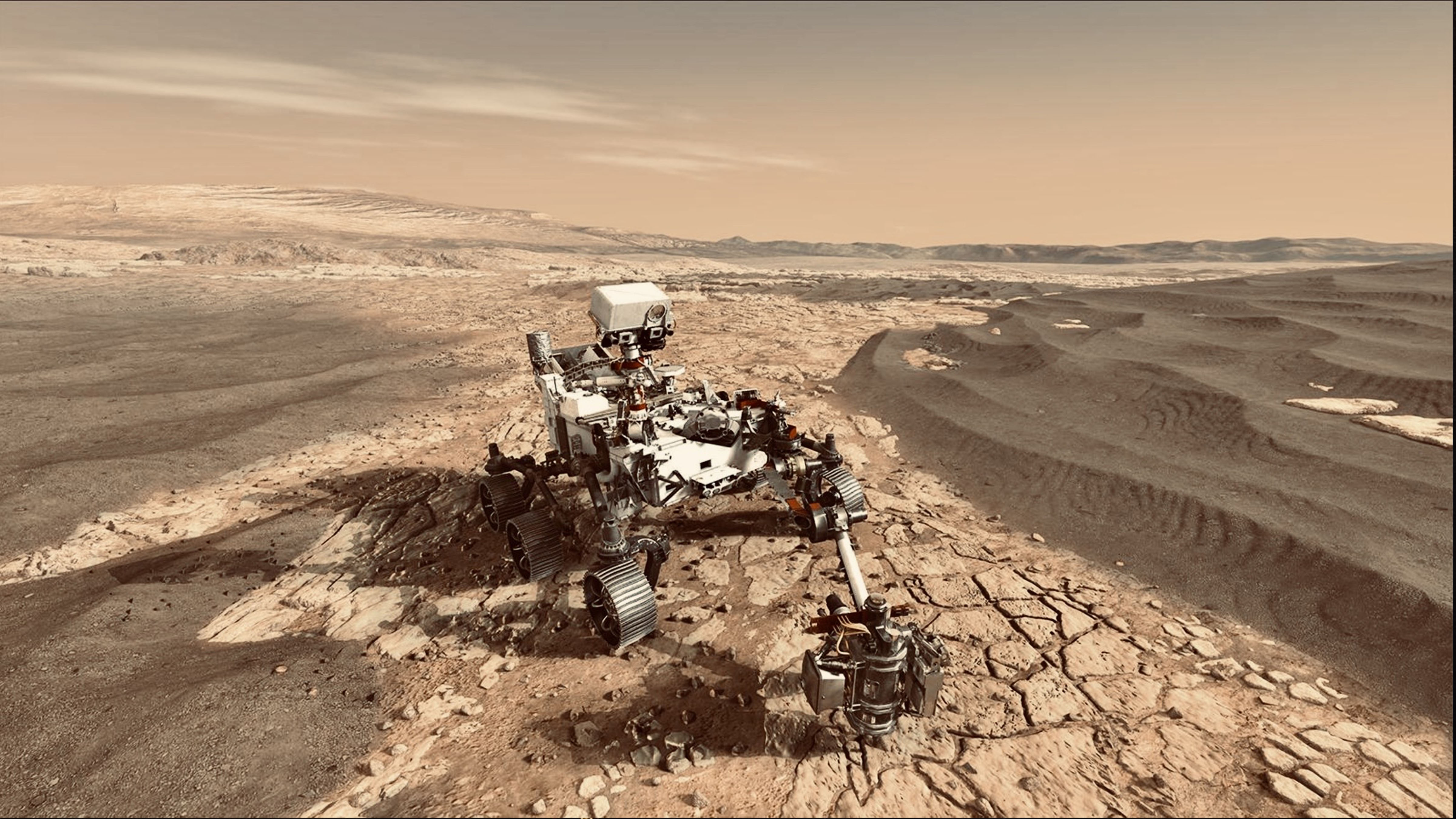
The discovery builds on years of research conducted by robotic explorers, including NASA’s Perseverance and Curiosity rovers. These missions have been studying the planet’s geology, atmosphere, and chemical composition in unprecedented detail. The newly identified molecules were found in sedimentary rock formations—locations that, on Earth, often preserve ancient biological material. This context is critical, as it suggests that Mars once had conditions capable of supporting the chemical processes necessary for life.
Scientists emphasize that organic molecules can form through both biological and non-biological processes. Natural chemical reactions, radiation, and geological activity can all produce similar compounds. However, what makes this discovery particularly compelling is the complexity and preservation of these molecules in environments that appear to have been stable over long periods. This stability increases the chances that, if life ever did arise on Mars, traces of it could still be detectable today.
The findings also highlight the importance of Mars sample return missions, which aim to bring Martian rock and soil back to Earth for more advanced analysis. Current rover instruments, while highly sophisticated, have limitations compared to laboratory capabilities on Earth. By studying these samples directly, scientists hope to determine whether the organic compounds show any patterns or structures consistent with past biological activity.
This development comes at a time when global interest in space exploration is accelerating. Governments and private companies alike are investing heavily in missions to Mars, viewing it as both a scientific frontier and a potential destination for future human settlement. Discoveries like this reinforce the importance of continued exploration, not only to understand Mars itself but also to gain insight into how life might emerge elsewhere in the universe.
The broader implications extend beyond Mars. Understanding how organic molecules form and persist in extreme environments can help scientists identify other potentially habitable worlds. Moons such as Europa and Enceladus, as well as distant exoplanets, are now being studied with similar questions in mind. Each discovery contributes to a growing body of knowledge about the conditions required for life.
Public interest in these findings has surged, reflecting a deep curiosity about humanity’s place in the universe. The idea that Mars—once thought to be a barren, lifeless world, may have hosted the building blocks of life is both scientifically significant and culturally powerful. It challenges long-standing assumptions and opens the door to new possibilities about life beyond Earth.
Despite the excitement, researchers remain cautious. The scientific process requires rigorous testing, repeated observations, and careful interpretation. No definitive evidence of past or present life on Mars has been confirmed. However, the accumulation of data pointing toward habitable conditions and organic chemistry is steadily building a compelling case for further investigation.
As new missions are planned and technologies advance, the search for life on Mars is entering a new phase. Future exploration may involve drilling deeper beneath the planet’s surface, where organic material could be better preserved from radiation. There is also growing interest in exploring ancient lakebeds and subsurface environments that may have provided more stable conditions for life to develop.
The discovery of organic molecules is not the final answer, but it is a critical step forward. It reinforces the idea that Mars is more than just a neighbouring planet, it is a key piece in the puzzle of understanding life in the universe. With each new finding, scientists move closer to uncovering whether Earth is unique or part of a much larger story.
About the Author Brad Socha is the founder of The Universal Record, focused on sourced, factual global reporting. Coverage includes international news, geopolitics, technology, and major developments.