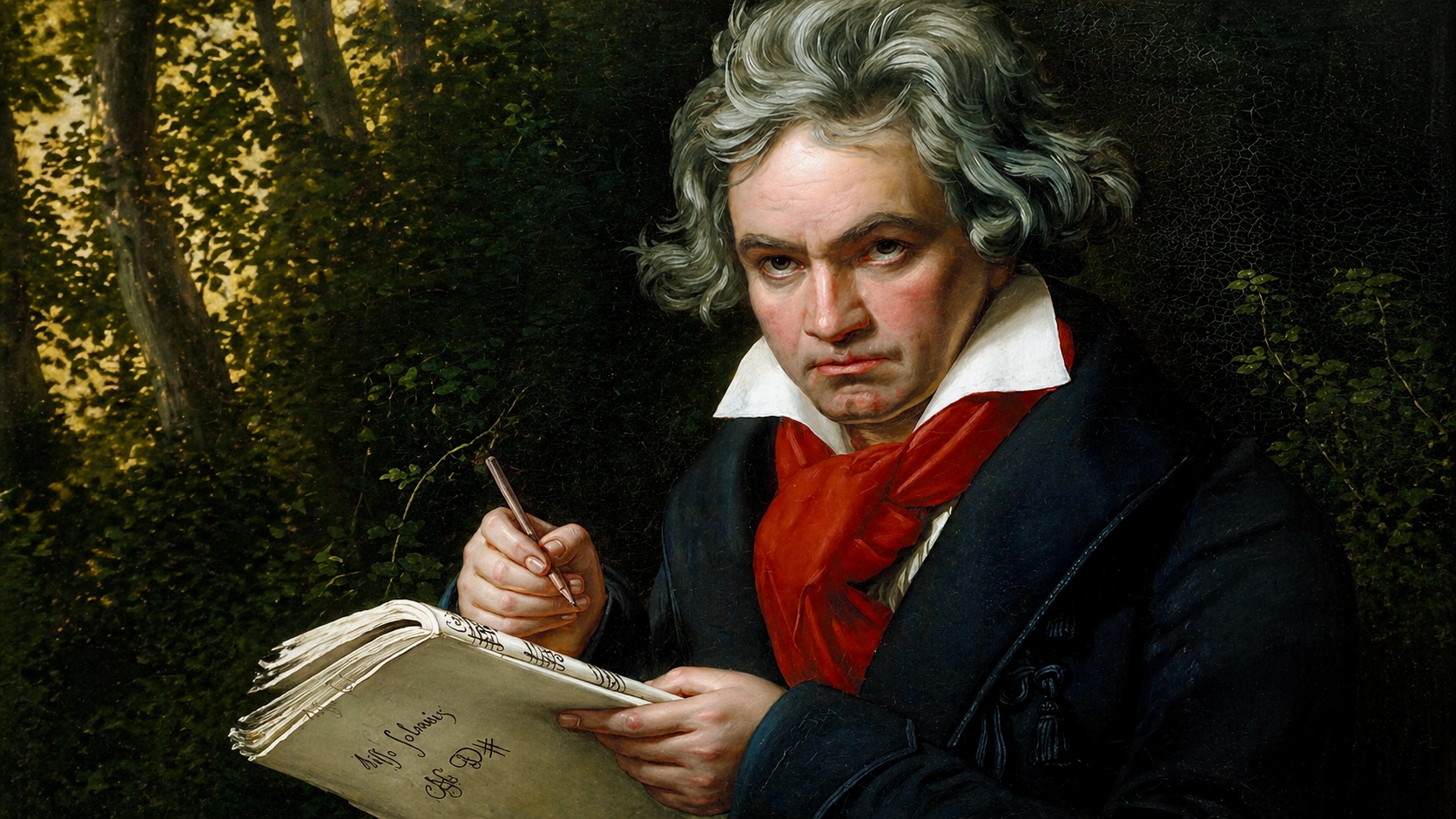
The composition of “Für Elise” is traditionally dated to April 27, 1810, and is widely associated with Ludwig van Beethoven, one of the most influential composers in Western music history. Although the exact date of composition has been debated by historians, the piece remains one of Beethoven’s most recognizable and enduring works. Known formally as Bagatelle No. 25 in A minor, “Für Elise” has become a staple of piano music and a defining example of classical composition accessible to both musicians and general audiences.
The composition of “Für Elise” reflects Beethoven’s ability to combine emotional depth with melodic simplicity. Unlike many of his larger symphonic works, this piece is relatively short and structured as a bagatelle, a form typically used for light, expressive compositions. Despite its brevity, the opening theme of “Für Elise” is instantly recognizable, characterized by a repeating melodic pattern that has been widely adapted and performed for more than two centuries.
The origins of the composition of “Für Elise” remain uncertain, adding to its historical intrigue. The title itself was not assigned by Beethoven but was instead given later when the piece was discovered and published in 1867, decades after his death. Musicologist Ludwig Nohl transcribed the work from a manuscript that has since been lost, leading to ongoing debate about the intended dedication. Some historians suggest the piece may have been written for Therese Malfatti, a woman Beethoven was reportedly close to, while others argue the identity of “Elise” remains unknown.
The composition of “Für Elise” is significant not only for its popularity but also for its place within Beethoven’s broader body of work. Written during a period when Beethoven was already experiencing hearing loss, the piece demonstrates his continued innovation and emotional expression despite personal challenges. This period in his life saw the creation of numerous important works that bridged classical traditions with emerging romantic influences in music.
Over time, the composition of “Für Elise” has become one of the most widely recognized piano pieces in the world. It is frequently used in music education, serving as an introductory piece for piano students due to its approachable structure and memorable melody. Beyond formal music settings, the composition has appeared in films, television, advertisements, and digital media, further cementing its status as a cultural icon.
The global recognition of the composition of “Für Elise” highlights its lasting impact on both classical music and popular culture. Its simple yet expressive melody allows it to transcend language and cultural barriers, making it one of the most accessible works in the classical repertoire. The piece’s continued relevance demonstrates how a relatively short composition can achieve lasting influence through its emotional resonance and universal appeal.
The historical importance of the composition of “Für Elise” is also tied to its role in preserving Beethoven’s legacy. As one of the most performed and recognized works attributed to him, it continues to introduce new audiences to his music. While many of Beethoven’s symphonies and sonatas are considered complex and demanding, “Für Elise” offers a more immediate connection, often serving as an entry point into classical music appreciation.
Today, the composition of “Für Elise” remains a defining example of Beethoven’s genius and the enduring power of classical music. Whether performed in concert halls, practiced by students, or heard in everyday life, the piece continues to resonate with audiences around the world. Its lasting popularity underscores the timeless nature of music and the ability of a single composition to remain relevant across generations.
About the Author Brad Socha is the founder of The Universal Record, an independent platform dedicated to sourced, factual reporting on global events. The publication focuses on delivering verified information without opinion or editorial bias. Based in Canada, the publication covers international news, geopolitics, technology, and global developments.



Leave a Reply