Major investments, energy demands, and autonomous AI systems are reshaping the global economy as governments and technology firms accelerate the next phase of artificial intelligence expansion
Artificial intelligence is no longer evolving quietly in research labs or experimental software platforms. In 2026, the global AI sector has entered a far more consequential stage defined by infrastructure expansion, geopolitical competition, energy consumption, labour disruption, and autonomous system deployment. Governments, technology companies, and investors are now committing hundreds of billions of dollars toward AI development as the technology rapidly reshapes industries across the world.
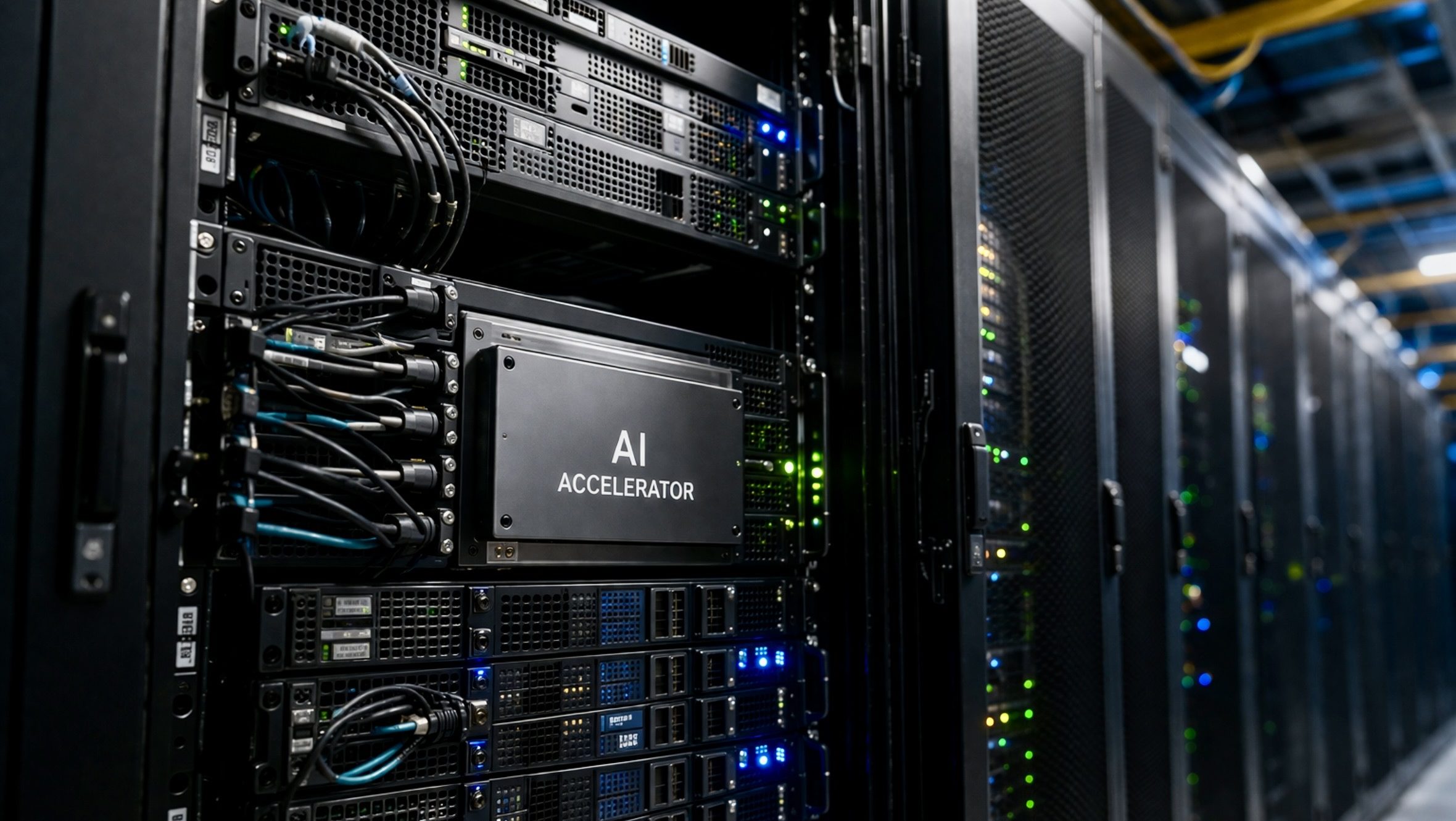
The transformation is increasingly visible not only through consumer-facing AI tools, but through the physical infrastructure now being built to support them. Massive data centres are expanding across North America, Europe, the Middle East, and Asia as companies race to secure computing power capable of training and operating next-generation artificial intelligence systems.
Major technology firms including Microsoft, Google, Meta, Amazon, Nvidia, OpenAI, Anthropic, and xAI have significantly increased AI-related investment throughout 2026. The competition has expanded beyond software development into semiconductor manufacturing, cloud infrastructure, energy supply, and national strategic planning.
The scale of computing demand has become one of the defining economic stories of the year.
Advanced AI systems now require enormous quantities of electricity and specialized hardware to process increasingly complex workloads involving reasoning, multimodal generation, scientific modelling, coding, automation, and autonomous decision-making. Industry analysts estimate that global AI electricity demand could more than double within several years if current expansion rates continue.
This surge has intensified worldwide competition for AI chips.
Nvidia remains at the centre of the global AI infrastructure boom, with demand for high-performance GPUs continuing to outpace supply in multiple markets. Meanwhile, companies including AMD, Intel, Broadcom, and several Chinese semiconductor firms are aggressively expanding efforts to compete in the AI hardware sector.
Governments are also treating artificial intelligence as a strategic national priority.
The United States has continued increasing support for domestic semiconductor production and AI research initiatives, while China has accelerated long-term plans involving domestic AI independence, advanced robotics, and large-scale computing infrastructure. European governments are simultaneously investing in sovereign AI initiatives aimed at reducing dependence on foreign technology providers.
The geopolitical implications have become increasingly significant.
Artificial intelligence is now viewed by many policymakers as a technology capable of influencing military systems, cybersecurity operations, economic competitiveness, industrial productivity, and information control. Concerns surrounding technological dominance have contributed to tightening export restrictions, growing tensions involving advanced chip access, and heightened competition between major global powers.
At the enterprise level, businesses are rapidly integrating AI systems into everyday operations.
Large corporations across finance, logistics, healthcare, retail, manufacturing, and customer service sectors have expanded automation initiatives involving AI-assisted workflows, predictive analytics, and intelligent software systems capable of performing increasingly complex tasks with limited human oversight.
The rise of so-called “agentic AI” systems has drawn particular attention throughout 2026.
Unlike earlier chatbot-style systems focused primarily on answering prompts, newer AI frameworks are being designed to independently complete multi-step tasks, analyse information across multiple sources, coordinate workflows, generate software code, and assist with decision-making processes.
Technology firms argue these systems could dramatically improve productivity and operational efficiency across multiple industries. Critics, however, warn that increasingly autonomous AI capabilities could create major workforce disruptions if deployment accelerates faster than labour markets can adapt.
Employment concerns are becoming more visible globally.
Several major firms have announced restructuring efforts tied to AI integration, particularly within administrative, support, content production, and software-related roles. While many companies continue emphasizing that AI will augment rather than fully replace human workers, economists increasingly warn that large-scale labour transitions may occur across certain sectors over the next decade.
Education systems are also beginning to adjust.
Universities, technical institutes, and governments are expanding AI-related programs focused on machine learning, robotics, cybersecurity, and automation management in response to growing workforce demand. At the same time, policymakers are debating how to regulate AI-generated content, misinformation risks, algorithmic bias, and intellectual property concerns.
The rapid growth of AI has also intensified environmental and energy debates.
Large-scale AI data centres require vast amounts of electricity and cooling infrastructure, placing growing pressure on energy grids in multiple regions. Several technology firms are now investing heavily in nuclear power partnerships, renewable energy projects, and advanced cooling systems to support long-term AI expansion.
In the United States, multiple energy providers have announced new infrastructure projects linked directly to expected AI-related electricity demand. Similar developments are unfolding in Europe and Asia, where governments are evaluating how future AI growth could affect national power consumption and industrial planning.
Meanwhile, AI-generated misinformation remains one of the most closely monitored risks associated with the technology’s rapid expansion.
Governments and researchers continue expressing concern over the increasing sophistication of AI-generated videos, voice cloning, synthetic media, and automated propaganda systems capable of influencing public opinion or disrupting elections and information ecosystems.
Security agencies have also warned that AI may significantly alter future cyberwarfare capabilities.
Automated vulnerability discovery, AI-assisted hacking tools, and advanced phishing systems are already emerging as major cybersecurity concerns. Some experts believe artificial intelligence may eventually transform digital conflict in ways comparable to how drones reshaped modern warfare.
Despite growing risks and regulatory concerns, investment momentum continues accelerating.
Global venture capital funding connected to artificial intelligence remains historically strong, while sovereign wealth funds, institutional investors, and governments continue directing substantial resources toward AI-related infrastructure and research initiatives.
Supporters argue the technology could unlock major scientific breakthroughs involving medicine, climate modelling, materials science, transportation, and productivity growth. AI-assisted research systems are already contributing to drug discovery, protein analysis, engineering simulations, and complex scientific modelling that previously required significantly more time and computational resources.
Questions involving regulation, ethical oversight, labour adaptation, economic inequality, energy sustainability, and geopolitical competition continue shaping public debate around artificial intelligence. Policymakers across multiple countries are now attempting to balance innovation with increasing pressure for oversight and accountability.
What is becoming increasingly clear in 2026 is that artificial intelligence is no longer emerging technology operating at the edge of the global economy.
It is rapidly becoming foundational infrastructure.
The systems being developed today are beginning to influence global power structures, industrial strategy, energy planning, labour markets, and international competition at a scale that could shape the coming decades of economic and technological development.
About the Author Brad Socha is the founder of The Universal Record, focused on sourced, factual global reporting. Coverage includes international news, geopolitics, technology, and major developments.