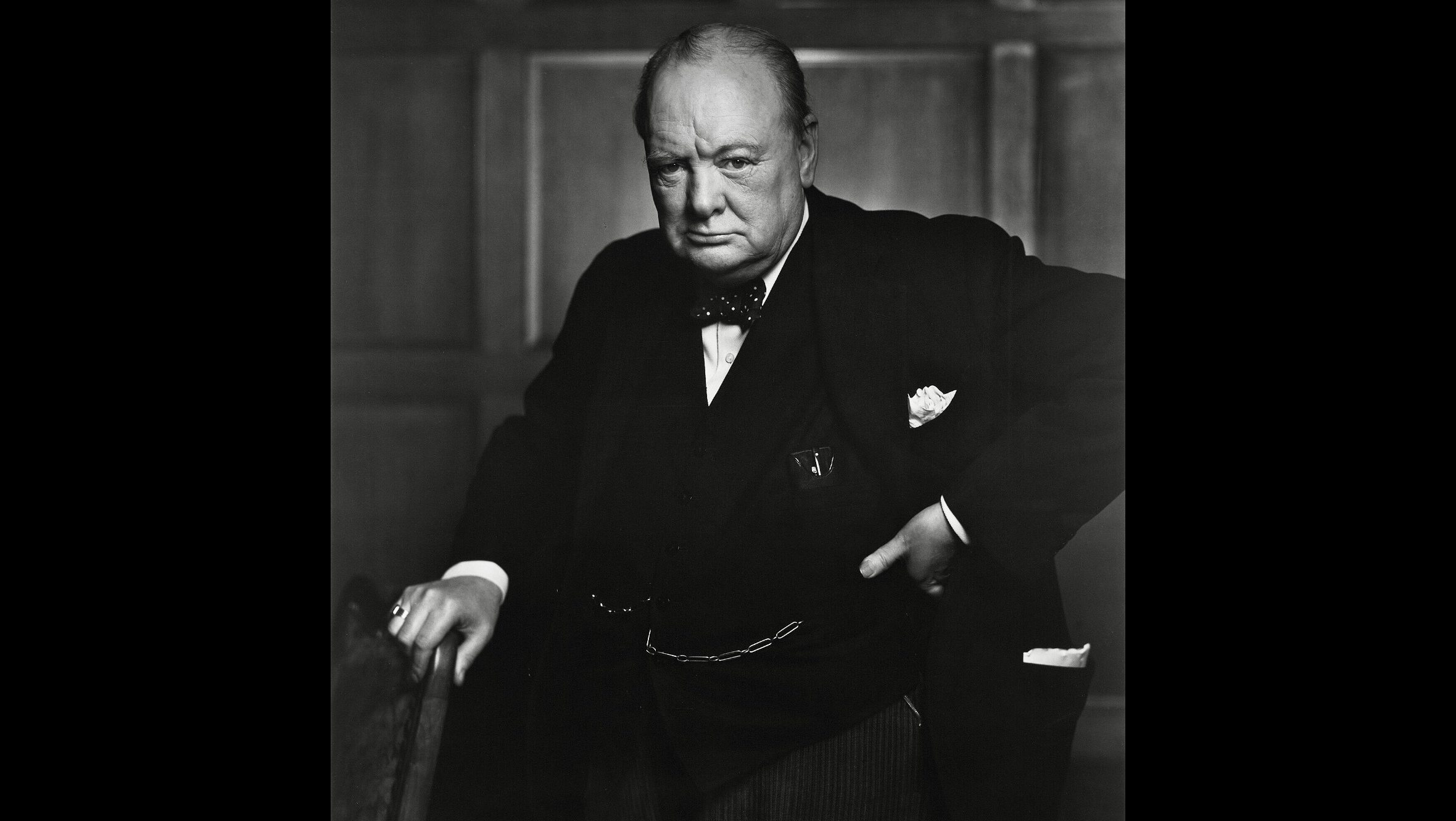
On April 5, 1955, Winston Churchill resigned as Prime Minister of the United Kingdom, concluding his second term in office and ending one of the most consequential political careers of the 20th century.
Churchill, who had returned to power in 1951 as leader of the Conservative Party, stepped down at the age of 80 due to declining health. His resignation followed several years of reduced public activity after suffering a stroke in 1953, which limited his ability to carry out the full demands of office.
He formally tendered his resignation to Queen Elizabeth II at Buckingham Palace. His successor, Anthony Eden, who had served as Foreign Secretary, was appointed shortly afterward and assumed leadership of the government.
Churchill is widely recognized for his leadership during World War II, particularly from 1940 to 1945, when he guided Britain through the conflict against Nazi Germany. His speeches and wartime policies played a central role in maintaining public morale during critical periods such as the Battle of Britain.
After losing the 1945 general election, Churchill remained active in politics and returned to office six years later. During his second premiership, his government focused on post-war recovery, foreign policy alignment during the early Cold War, and maintaining Britain’s international position.
Beyond politics, Churchill was also an accomplished writer and historian. In 1953, he was awarded the Nobel Prize in Literature for his historical and biographical works, as well as his oratory.
His resignation in 1955 marked the end of an era closely associated with Britain’s wartime leadership and post-war transition. Churchill remained a Member of Parliament until 1964 and continued to be a prominent public figure until his death in 1965.
About the Author Brad Socha is the founder of The Universal Record, focused on sourced, factual global reporting. Coverage includes international news, geopolitics, technology, and major developments.