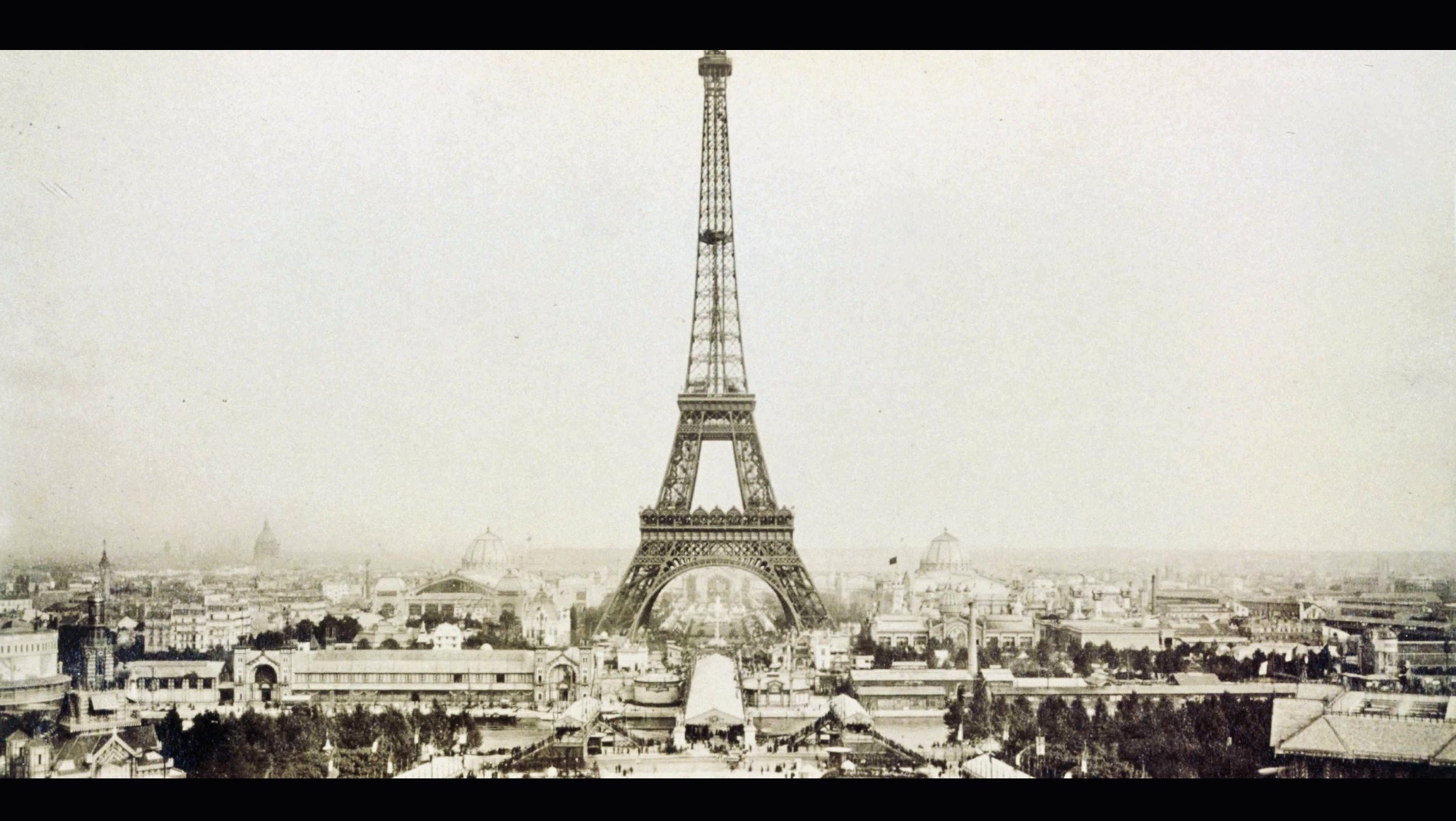
The Eiffel Tower officially opened to the public on March 31, 1889, in Paris, France, marking a defining moment in architectural and cultural history. Constructed as the centrepiece of the 1889 World’s Fair, the iron tower quickly became one of the most recognizable structures in the world.
Designed by French engineer Gustave Eiffel, the tower was built to commemorate the centennial of the French Revolution. Standing at approximately 300 metres at the time of completion, it was the tallest man-made structure in the world, surpassing all previous records.
The construction process began in 1887 and took just over two years to complete. More than 18,000 iron components were assembled using millions of rivets, showcasing advanced engineering techniques for the era. Despite its technical achievement, the tower initially faced strong opposition from artists and intellectuals in Paris, who criticized its design as unattractive and out of place in the city’s historic landscape.
Following its opening, public perception began to shift. Visitors from around the world were drawn to the tower during the World’s Fair, helping establish its popularity. Over time, the Eiffel Tower became a symbol of French innovation, culture, and national identity.
Today, the Eiffel Tower is one of the most visited monuments globally, attracting millions of visitors each year. It remains a defining landmark of Paris and a lasting example of 19th-century engineering excellence.
About the Author Brad Socha is the founder of The Universal Record, focused on sourced, factual global reporting. Coverage includes international news, geopolitics, technology, and major developments.