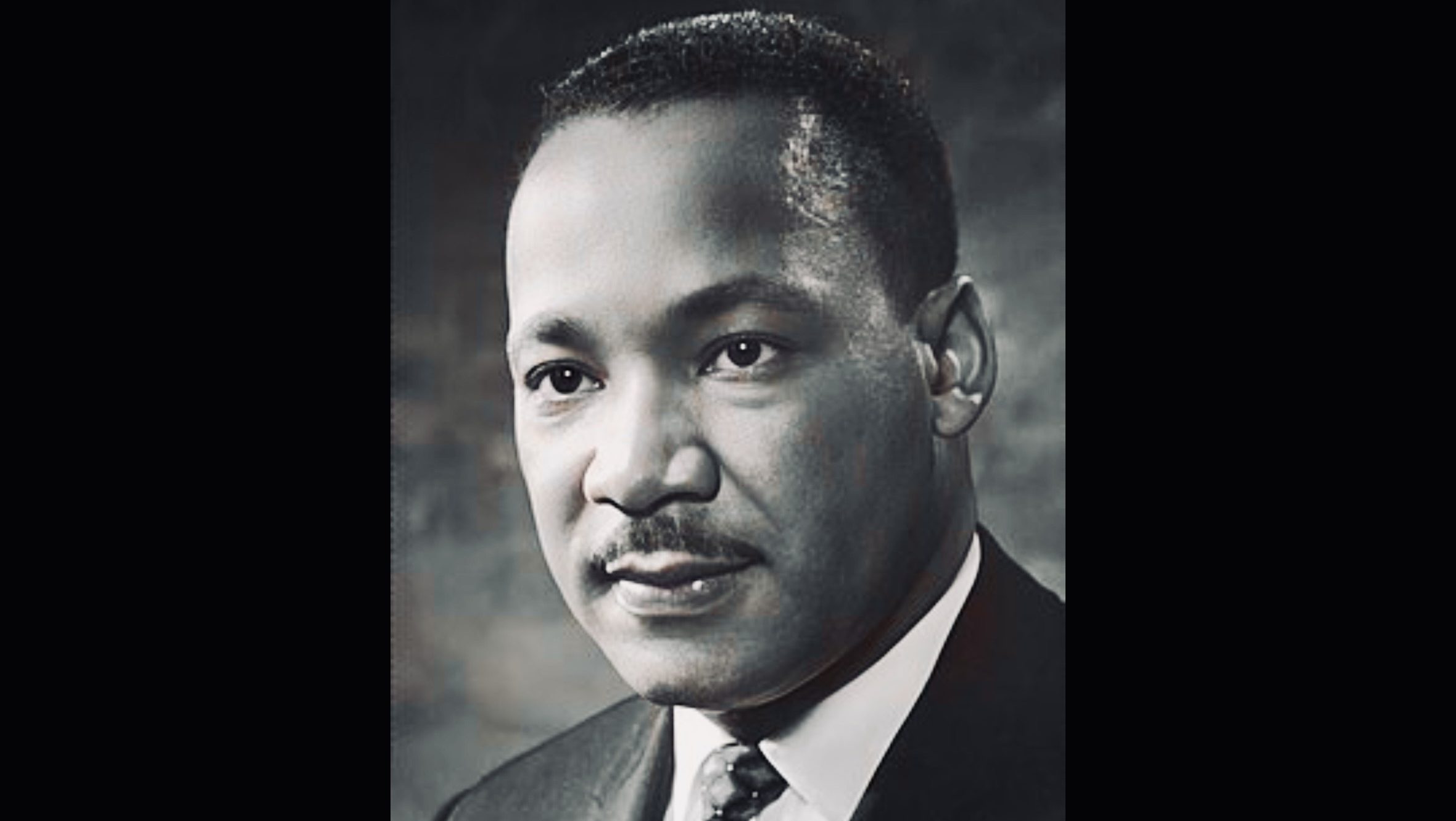
Martin Luther King Jr. was assassinated on April 4, 1968, in Memphis, Tennessee, marking one of the most consequential moments in modern United States history. King was standing on the balcony outside his room at the Lorraine Motel shortly after 6:00 p.m. local time when he was struck by a single gunshot. He had travelled to Memphis to support African American sanitation workers who were on strike over unsafe working conditions, low wages, and lack of union recognition.
King was transported to St. Joseph’s Hospital, where he was pronounced dead later that evening at the age of 39. News of his assassination spread rapidly across the United States and internationally, prompting widespread mourning and immediate civil unrest. In the days that followed, protests and riots occurred in more than 100 cities across the United States, resulting in extensive property damage, injuries, and dozens of fatalities. Federal troops were deployed to several major urban centres in response.
Investigators identified James Earl Ray as the primary suspect. Ray fled the United States after the assassination but was apprehended in London in June 1968. He was extradited back to the United States, where he pleaded guilty to the murder and received a 99-year prison sentence. Despite his confession, the case remained the subject of ongoing scrutiny, including a 1979 investigation by the U.S. House Select Committee on Assassinations, which examined the possibility of a broader conspiracy.
At the time of his death, King had become a central figure in the civil rights movement, advocating for nonviolent resistance and civil disobedience. His leadership contributed directly to the passage of landmark legislation, including the Civil Rights Act of 1964 and the Voting Rights Act of 1965, both of which aimed to dismantle legal segregation and protect voting rights for African Americans.
In the final years of his life, King expanded his focus to include economic inequality and opposition to the Vietnam War. He had begun organizing the Poor People’s Campaign, which sought to address poverty and systemic inequality across racial lines. His evolving advocacy placed him at the centre of increasingly complex political and social debates.
The assassination intensified national attention on racial injustice and contributed to legislative momentum in Washington. Within days, Congress advanced the Civil Rights Act of 1968, commonly known as the Fair Housing Act, which prohibited discrimination in housing based on race, religion, or national origin.
Martin Luther King Jr.’s legacy continues to shape civil rights efforts and social justice movements worldwide. His emphasis on equality, nonviolence, and human dignity remains influential in contemporary discussions surrounding justice and human rights. His life and work are commemorated annually in the United States through Martin Luther King Jr. Day, a federal holiday established in 1983.
About the Author Brad Socha is the founder of The Universal Record, focused on sourced, factual global reporting. Coverage includes international news, geopolitics, technology, and major developments.