Hydrogen fuel is gaining increasing attention as a clean energy solution across multiple industries, including transportation, electricity storage, and aviation. As countries work to reduce emissions and transition away from fossil fuels, hydrogen is being explored as a versatile and low-carbon alternative.
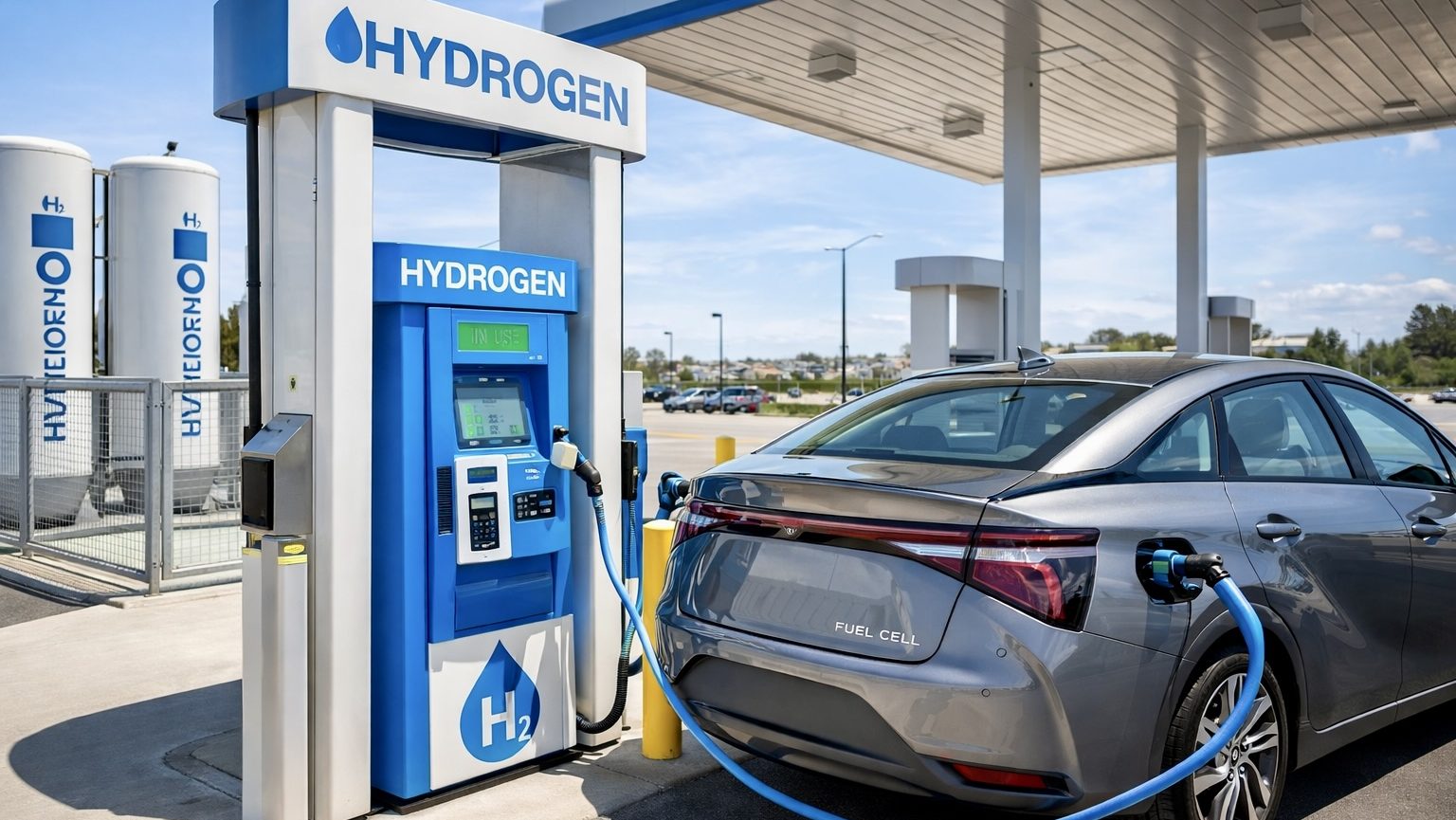
In the automotive sector, hydrogen fuel cell vehicles use hydrogen gas to generate electricity through a chemical reaction, producing only water vapour as a byproduct. These vehicles offer fast refuelling times comparable to gasoline and longer driving ranges than many battery electric vehicles. Several major manufacturers have developed hydrogen-powered models, and infrastructure for hydrogen refuelling is expanding in regions such as Japan, South Korea, Europe, and parts of North America.
Hydrogen can also power vehicles through modified internal combustion engines. In these systems, hydrogen is injected into the engine and ignited in a similar way to gasoline, producing energy to move the vehicle. The primary exhaust from hydrogen combustion is water vapour, with no carbon dioxide emissions at the point of use. Existing gasoline and diesel engines can be adapted with modifications to fuel delivery systems and engine components, allowing current automotive technology to transition toward lower-emission fuels.
Hydrogen refuelling infrastructure can be integrated into existing gas stations, allowing for a gradual transition rather than a complete rebuild of fueling networks. Hydrogen stations use similar layouts, including storage tanks, compressors, and dispensers, which can be added to conventional fuel stations. Studies and industry deployments show that integrating hydrogen equipment into an existing station can cost roughly €1.2 million for smaller installations, significantly reducing the need for entirely new infrastructure.
While permitting and construction timelines can extend over a year due to regulatory approvals, the physical installation itself follows established engineering practices similar to other fuel systems. Hydrogen refuelling stations can also be designed to produce hydrogen on-site using electrolysis, or receive deliveries via tanker or pipeline, offering flexibility in how stations are deployed and scaled.
Hydrogen refuelling is fast and efficient, with vehicles typically refuelling in about five minutes, comparable to traditional gasoline vehicles. This allows hydrogen stations to serve a high volume of vehicles while maintaining familiar refuelling experiences for drivers.
Hydrogen is also being used as a form of energy storage, particularly to support renewable energy systems. Excess electricity generated from sources such as wind and solar can be used to produce hydrogen through electrolysis. This hydrogen can then be stored and later converted back into electricity when demand is high, helping stabilize power grids and improve energy reliability.
In aviation, hydrogen is being studied as a potential alternative to traditional jet fuel. Aerospace companies and research institutions are developing hydrogen-powered aircraft concepts that could significantly reduce carbon emissions from air travel. Liquid hydrogen is being explored for its high energy density and potential to support longer-range flights with reduced environmental impact.
Hydrogen is classified into different categories based on production methods, with “green hydrogen” produced using renewable energy considered the most environmentally sustainable. As production scales and technology advances, the cost of hydrogen and refuelling infrastructure is expected to decline, improving accessibility and adoption.
International energy organizations have identified hydrogen as a critical technology for achieving global climate targets. Its ability to decarbonize sectors that are difficult to electrify, including heavy transport, industrial processes, and aviation, continues to drive research and investment.
Today, hydrogen fuel is increasingly viewed as a promising pathway toward cleaner energy, offering potential benefits in reducing emissions, supporting renewable integration, and transforming transportation systems.
About the Author Brad Socha is the founder of The Universal Record, focused on sourced, factual global reporting. Coverage includes international news, geopolitics, technology, and major developments.