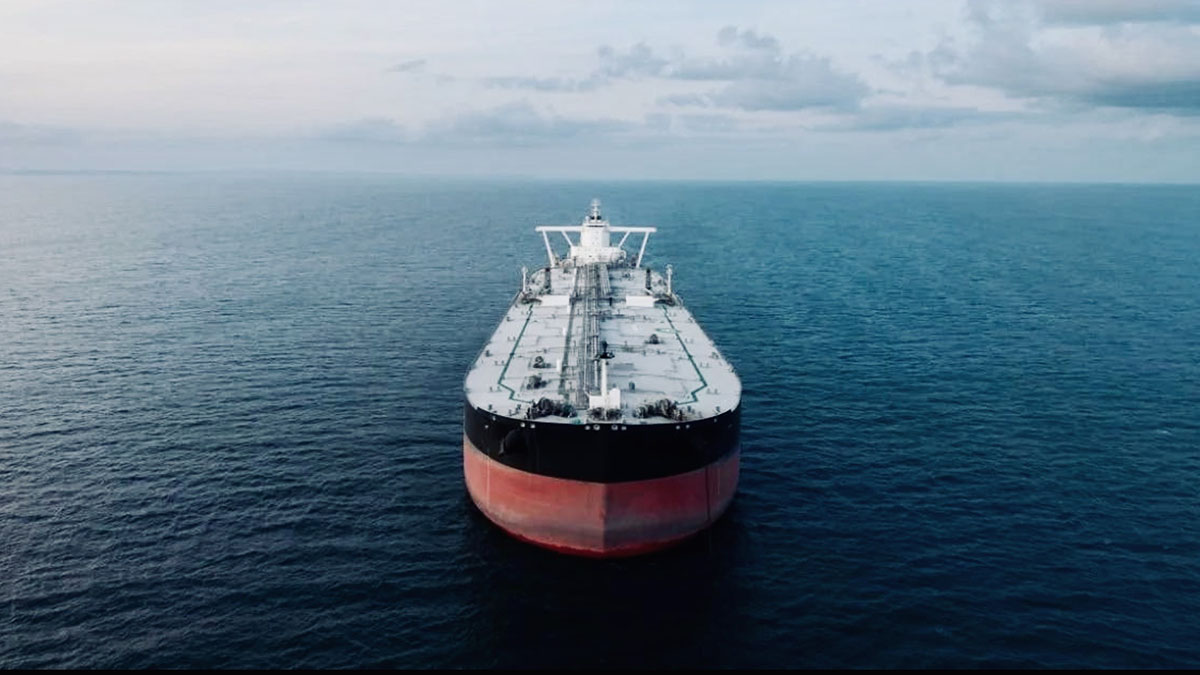
Tensions between the United States and Iran have escalated sharply following the collapse of recent diplomatic talks, with the United States implementing a naval blockade targeting Iranian oil exports in the Strait of Hormuz. The move comes amid ongoing military operations aimed at reopening one of the world’s most critical energy corridors.
The Strait of Hormuz handles approximately 20 percent of global oil shipments, making it one of the most strategically important chokepoints in the global economy. Disruptions to this route have immediate and widespread consequences for energy markets and global trade.
Following the breakdown of negotiations, oil markets reacted rapidly. Brent crude prices surged above $100 per barrel, with some estimates placing prices between $100 and $106, and warnings that further escalation could push prices significantly higher.
The United States has moved to restrict Iranian shipping, while Iran has continued to limit access through the strait, allowing only select allied nations to pass. This has effectively reduced global oil supply, contributing to volatility in financial markets and raising concerns of prolonged disruption.
The impact on global markets has been immediate. Major stock indices have shown instability, while fuel prices have surged across multiple regions. In the United States, gasoline prices have risen above $4 per gallon, with further increases expected as supply constraints persist.
Energy analysts warn that even if shipping routes are restored, elevated fuel prices may continue for months due to logistical delays, supply chain disruptions, and sustained geopolitical risk.
Impact on Oil Supply and Global Economy
The ongoing conflict has created one of the largest oil supply disruptions in modern history. The closure or restriction of the Strait of Hormuz has stranded shipments and forced producers to cut output, reducing available supply on the global market.
Oil supply reductions and transport risks have driven a significant “risk premium” into energy prices, increasing costs not only for crude oil but also for refined fuels such as diesel and jet fuel. This has affected industries ranging from transportation to manufacturing and agriculture.
OPEC has already revised its short-term global demand outlook, citing the conflict as a major factor influencing both supply and consumption patterns.
Inflation Pressures Intensify
Rising energy prices are now feeding directly into inflation across global economies. Higher fuel costs increase transportation expenses, which in turn raise the price of goods and services.
Economists and central banks have warned that sustained oil price increases could push inflation above targeted levels, complicating monetary policy decisions and slowing economic growth.
Energy-driven inflation is already impacting household costs, with increases in fuel, heating, and food prices placing pressure on consumers. In some regions, governments are considering interventions such as fuel tax reductions to offset the rising cost of living.
Analysts warn that prolonged disruption could lead to broader economic consequences, including reduced consumer spending, lower investment, and increased risk of recession in vulnerable economies.
Outlook
The situation in the Strait of Hormuz remains fluid, with continued military activity and no immediate resolution in sight. The extent and duration of the disruption will determine the long-term impact on oil markets and global inflation.
If tensions escalate further or shipping restrictions continue, oil prices could rise significantly beyond current levels, intensifying inflationary pressures and increasing the risk of a broader global economic slowdown.
About the Author Brad Socha is the founder of The Universal Record, focused on sourced, factual global reporting. Coverage includes international news, geopolitics, technology, and major developments.