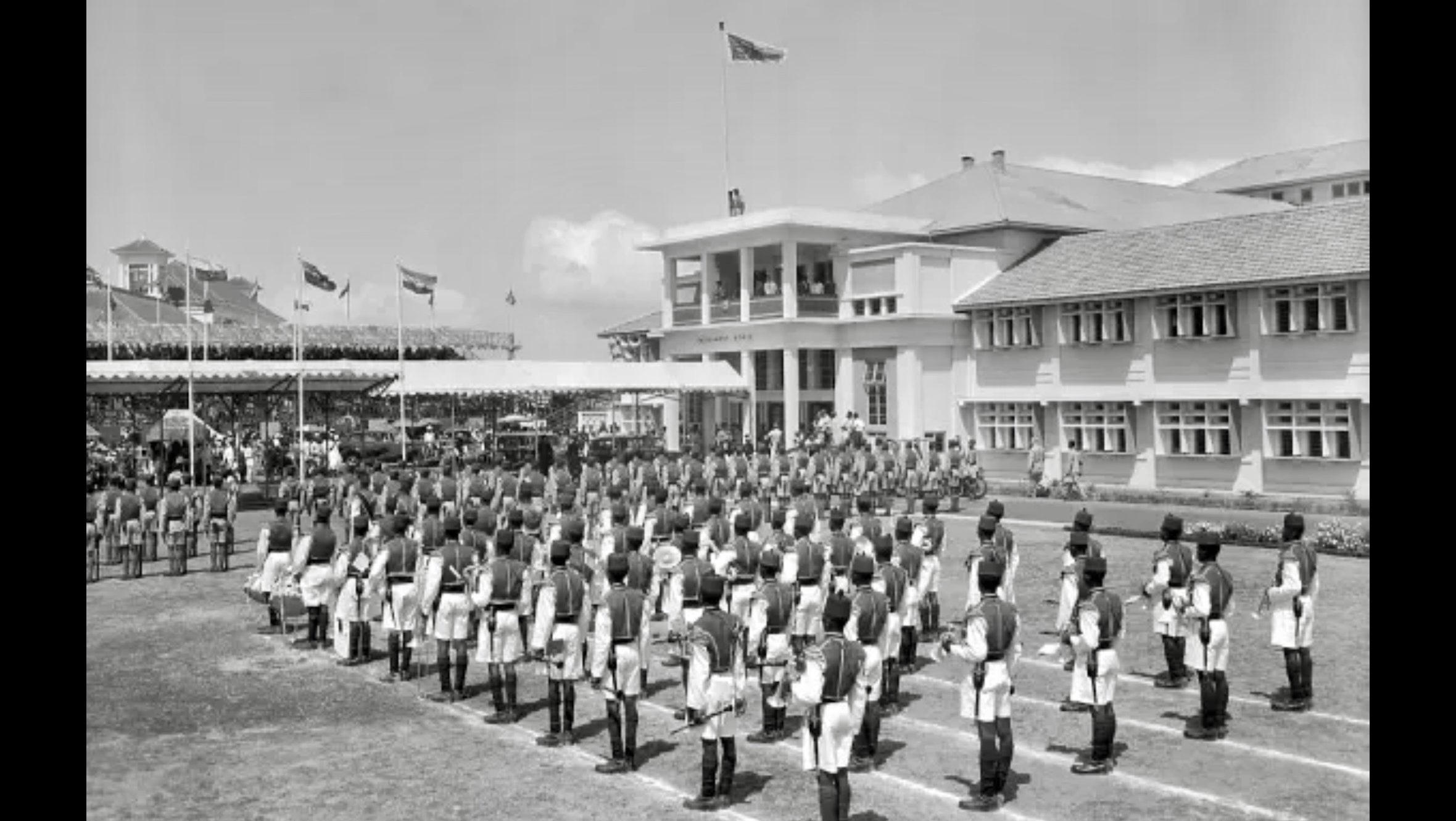
On March 6, 1957, the West African territory known as the Gold Coast officially gained independence from the United Kingdom and became the sovereign nation of Ghana. The event marked the first time a sub-Saharan African colony achieved independence from European colonial rule in the modern era.
The independence of Ghana became a powerful symbol across Africa and helped accelerate the broader movement toward decolonization throughout the continent.
From the Gold Coast to Ghana
The Gold Coast had been under British colonial administration since the 19th century. The region was economically significant due to its exports of gold, cocoa, timber, and other resources.
After World War II, political pressure for independence increased across many European colonies. In the Gold Coast, nationalist movements began organizing political parties and advocating for self-government.
The Convention People’s Party (CPP), led by Kwame Nkrumah, became the leading political force pushing for independence.
Nkrumah promoted a vision of African self-determination and unity, gaining widespread support among workers, students, and urban populations.
Independence Achieved
Following constitutional negotiations with the British government and electoral victories by Nkrumah’s party, Britain agreed to grant independence.
At midnight on March 6, 1957, the new nation of Ghana was formally established.
Kwame Nkrumah became the country’s first Prime Minister and later its first President.
The name Ghana was chosen to reflect the historical legacy of the ancient Ghana Empire, which had existed in West Africa centuries earlier.
During the independence ceremony, Nkrumah declared:
“At long last, the battle has ended! And thus, Ghana, your beloved country, is free forever.”
Impact on Africa
Ghana’s independence had profound political significance across the African continent.
Many African nationalist leaders viewed the event as proof that independence from colonial rule was achievable.
Within the following decade, numerous African nations achieved sovereignty, including:
• Nigeria (1960)
• Senegal (1960)
• Tanzania (1961)
• Kenya (1963)
This period became known as the African decolonization era.
Historical Significance
The independence of Ghana is widely considered one of the defining milestones of the 20th-century global decolonization movement.
Ghana played an important role in early Pan-African political cooperation, hosting conferences and supporting liberation movements across Africa.
Today, March 6 is celebrated annually as Ghana Independence Day, a national holiday commemorating the country’s transition to sovereignty.
About the Author Brad Socha is the founder of The Universal Record, focused on sourced, factual global reporting. Coverage includes international news, geopolitics, technology, and major developments.