Artificial intelligence is becoming a central feature across modern consumer electronics, with smartphones, smartwatches, smart glasses and connected devices increasingly designed around real-time AI processing rather than traditional apps alone.
Major technology companies have begun integrating generative and predictive AI systems directly into devices. Recent flagship smartphones from companies including Apple, Google and Samsung emphasise on-device AI functions such as live translation, context-aware messaging assistance, image enhancement and automated scheduling. Industry analysts note that these tools aim to reduce reliance on cloud processing while improving privacy and speed.
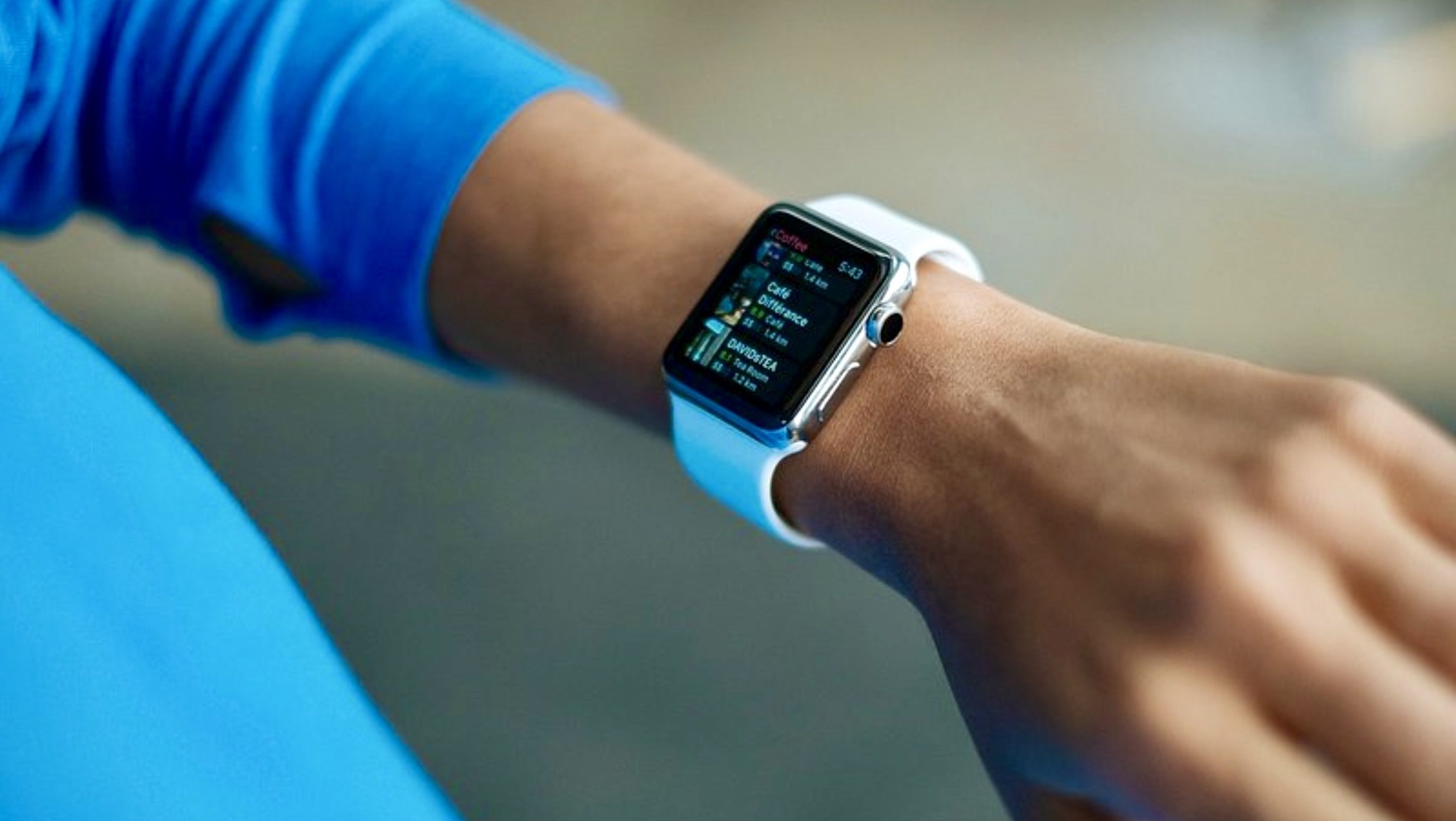
Smartwatches and wearable health trackers are also evolving through AI-driven monitoring. Newer devices analyse heart rate variability, sleep patterns and physical activity trends to provide proactive health insights rather than simple data tracking. Several manufacturers have announced software updates that allow watches to detect behavioural changes and suggest adjustments to routines based on long-term patterns.
Smart glasses and mixed-reality headsets represent another area where AI is expanding rapidly. Companies developing augmented reality eyewear are incorporating voice-driven assistants capable of recognising objects, summarising information in real time and supporting navigation or translation. Industry announcements indicate that future devices may rely heavily on AI agents that operate continuously in the background, responding to environmental cues.
Technology firms and research groups have outlined several near-term trends expected to shape consumer devices:
• On-device AI models: Smaller, efficient models running locally to improve speed and reduce data transmission.
• Agent-style assistants: Systems that manage tasks across multiple apps automatically.
• Ambient computing: Devices designed to anticipate user needs through context awareness rather than direct commands.
• Privacy-focused hardware: New processing chips dedicated to secure AI tasks without sending sensitive information to external servers.
Experts caution that while innovation is accelerating, challenges remain around battery performance, regulatory oversight and data transparency. Governments and industry bodies continue to debate standards governing AI-driven consumer technology.
Analysts expect artificial intelligence to become a defining feature of the next generation of personal devices, shifting the focus from standalone hardware to integrated digital ecosystems centred on intelligent software.
About the Author Brad Socha is the founder of The Universal Record, focused on sourced, factual global reporting. Coverage includes international news, geopolitics, technology, and major developments.