February 16 — On This Day: Tutankhamun’s Burial Chamber Opened (1923)
THE UNIVERSAL RECORD
Sourced reporting. No opinions.
Historical Record — Archaeological Discovery That Captured the World
By Brad Socha | February 16, 2026 | 9:20 PM EST
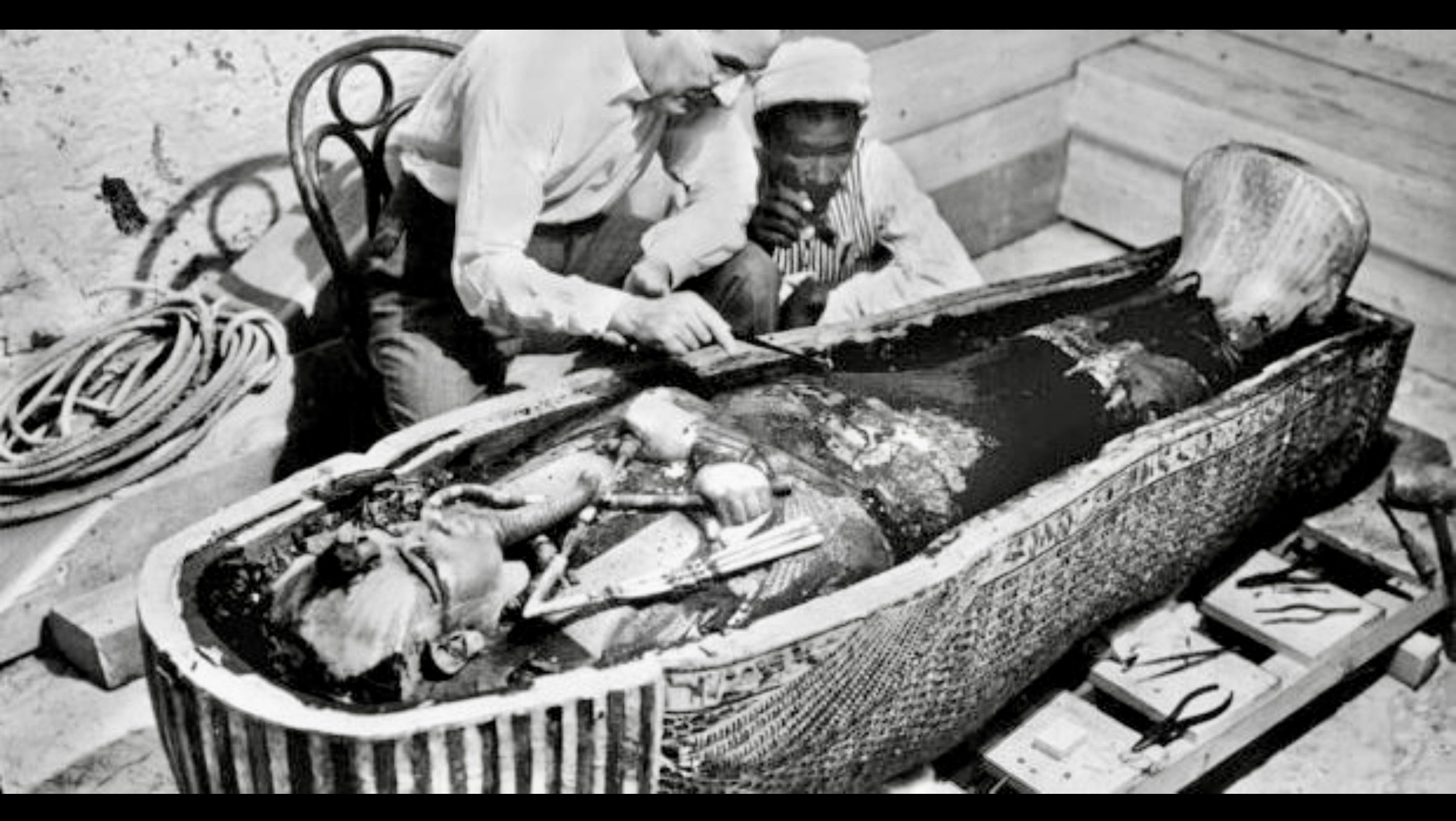
On February 16, 1923, British archaeologist Howard Carter formally opened the sealed burial chamber of Pharaoh Tutankhamun in Egypt’s Valley of the Kings. The moment marked one of the most significant archaeological discoveries of the twentieth century and transformed global understanding of ancient Egyptian civilisation.
Tutankhamun’s tomb had first been located in November 1922 after years of excavation funded by Lord Carnarvon. Unlike many royal tombs that had been looted in antiquity, the chamber remained largely intact. When Carter and his team entered the burial room in February 1923, they revealed an extraordinary collection of artefacts, including ceremonial furniture, shrines, chariots, jewellery, and the now-famous golden funerary mask.
The discovery quickly became an international media phenomenon. Newspapers across Europe and North America followed each stage of the excavation, helping to spark worldwide fascination with Egyptology and ancient history. The opening of the burial chamber also contributed to modern archaeological practices, as Carter carefully documented and preserved items rather than removing them hastily.
Tutankhamun himself ruled during Egypt’s 18th Dynasty, likely between 1332 and 1323 BCE. Though considered a relatively minor pharaoh during his lifetime, the intact state of his tomb elevated his historical significance. Artefacts recovered from the site provided researchers with new insight into royal burial customs, religious symbolism, and craftsmanship of the New Kingdom period.
Today, many of the objects discovered in the tomb are housed at the Egyptian Museum in Cairo and the Grand Egyptian Museum, while Carter’s excavation photographs and notes remain part of publicly accessible archives. The event continues to be recognised as a defining moment in modern archaeology and a milestone in the preservation of cultural heritage.
About the Author Brad Socha is the founder of The Universal Record, an independent platform dedicated to sourced, factual reporting on global events. The publication focuses on delivering verified information without opinion or editorial bias. Based in Canada, the publication covers international news, geopolitics, technology, and global developments.



Leave a Reply