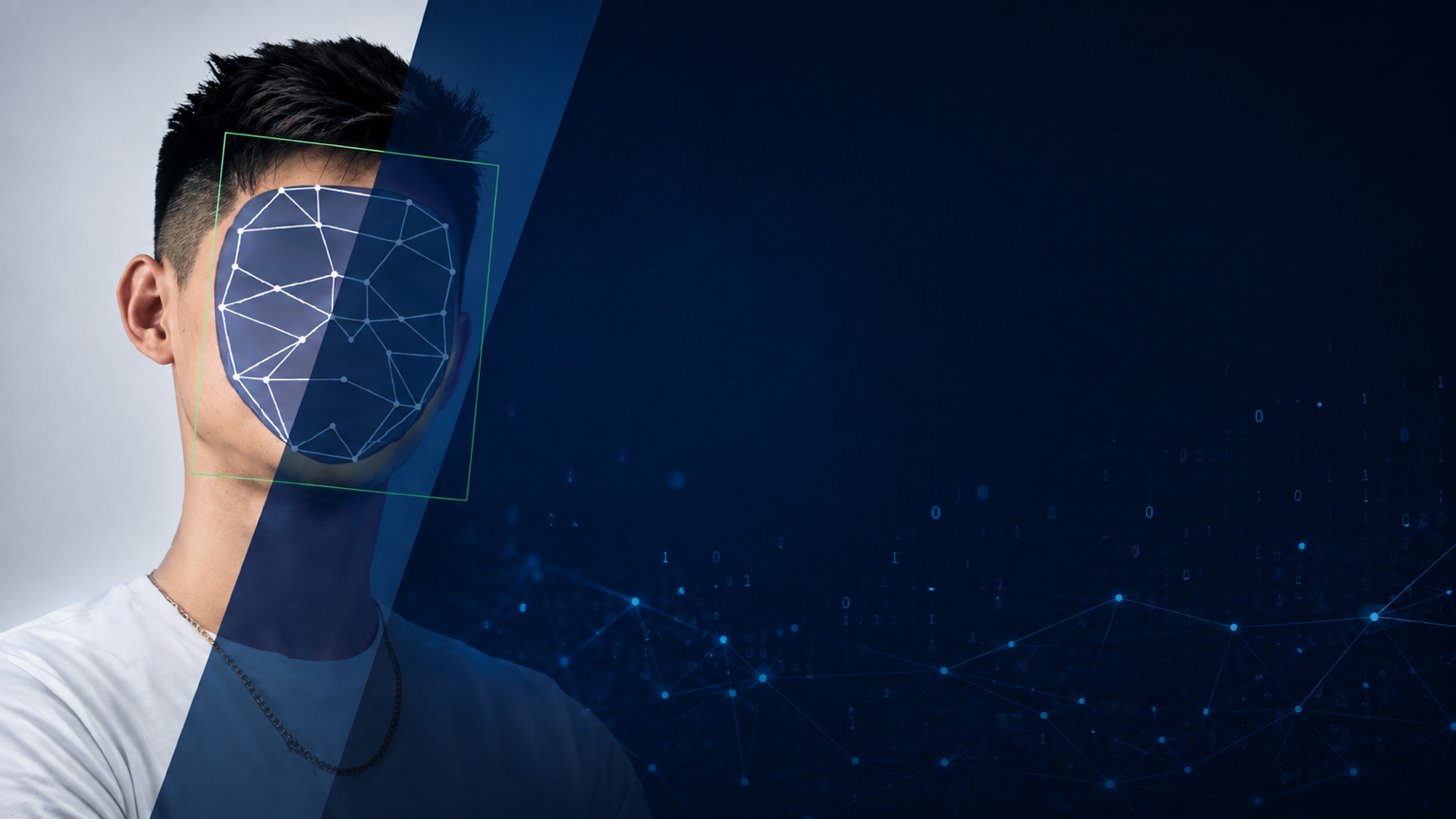
AI-generated voices, faces and videos are increasingly being used in fraud, political manipulation and identity theft, challenging the public’s ability to distinguish authentic media from fabricated content.
Artificial intelligence has made it possible to create highly realistic fake videos, audio recordings and images in minutes. What once required sophisticated visual effects teams can now be produced using consumer software and cloud-based AI tools. As these technologies become more accessible, governments, cybersecurity experts and technology companies are warning that deepfakes are evolving into one of the fastest-growing digital threats facing individuals, businesses and public institutions.
The concern extends far beyond manipulated celebrity videos. Criminals are increasingly using AI-generated voices to impersonate family members during emergency phone calls, executives during financial transactions and public officials during political events. In many cases, the fabricated content is convincing enough to deceive experienced professionals, creating financial losses and eroding public trust in digital media.
The Technology Is Advancing Rapidly
Deepfakes rely on artificial intelligence models trained to imitate a person’s appearance, voice or mannerisms. Modern systems can analyze photographs, videos and voice recordings to generate highly convincing synthetic media that closely resembles the original individual.
Generative AI models have improved dramatically in recent years. Higher-quality image generation, realistic facial animation and more natural speech synthesis have reduced many of the visual flaws that previously exposed manipulated content. Improvements in computing power and publicly available AI models have also lowered the technical barrier for creating convincing fakes.
The same underlying technology has many legitimate applications, including film production, accessibility tools, language translation, education and digital entertainment. The growing concern is not the technology itself, but how it can be misused for fraud, deception and disinformation.
Fraud Is Becoming More Sophisticated
Financial scams have become one of the most visible uses of deepfake technology.
Law enforcement agencies around the world have reported cases involving AI-generated voices that imitate relatives requesting emergency money transfers. Businesses have also experienced fraud attempts in which attackers use cloned executive voices or manipulated video calls to convince employees to authorize payments or disclose confidential information.
Identity theft is another growing concern. Cybercriminals may combine information gathered from social media with publicly available photographs and audio clips to create convincing impersonations. As more personal content is shared online, the amount of material available for AI training continues to expand.
Banks, financial institutions and cybersecurity firms are responding by strengthening identity verification procedures and encouraging customers to confirm unusual requests through independent communication channels.
Political and Social Risks
Deepfakes also present challenges during elections, conflicts and major public events.
Manipulated videos or fabricated speeches can spread rapidly through social media before they can be verified. Even when false content is later identified, it may continue circulating or influence public opinion. Researchers describe this as a growing challenge for democratic societies because the speed of online sharing often exceeds the speed of fact-checking.
Technology companies have introduced content-labeling systems, media authentication initiatives and AI-generated content policies to reduce misinformation. Governments are also considering new regulations that address deceptive AI-generated media while balancing freedom of expression and legitimate creative uses.
Despite these efforts, experts generally agree that no single technical solution will eliminate the problem entirely.
How to Recognize a Possible Deepfake
There is no single feature that proves a video or audio recording is fake. Many authentic recordings also contain visual glitches, compression artifacts or unusual lighting. Instead, experts recommend evaluating multiple factors before accepting or sharing suspicious content.
Consider whether the source is trustworthy and whether the same event is being reported by multiple credible organizations. Unexpected requests involving money, passwords or sensitive information should always be verified through another communication method.
Pay attention to whether speech, facial movements and body language appear natural throughout an entire recording rather than focusing on isolated frames. AI-generated content may occasionally display inconsistent lighting, unnatural transitions or synchronization issues, but these signs are becoming less common as the technology improves.
Reverse image searches, official statements and trusted news organizations can also help determine whether widely shared media has been independently verified.
Technology Companies Respond
Major AI developers have begun introducing safeguards intended to reduce misuse.
Some image and video generation systems include digital watermarks or metadata designed to identify AI-generated content. Industry initiatives such as the Coalition for Content Provenance and Authenticity (C2PA) are developing standards that allow cameras, editing software and publishers to preserve information about how digital media was created and modified.
Researchers continue developing AI systems capable of identifying manipulated content, although experts acknowledge that detection tools must continually evolve as generation technology improves.
The result is an ongoing technological competition between increasingly realistic synthetic media and increasingly sophisticated detection methods.
Trust May Become the Greatest Challenge
Perhaps the most significant long-term consequence of deepfakes is not simply that fake content exists, but that authentic content may also be questioned.
Researchers sometimes describe this as the “liar’s dividend,” where genuine recordings can be dismissed as AI-generated, creating uncertainty even when evidence is real. This erosion of trust could complicate journalism, legal proceedings, public communication and historical documentation.
For consumers, digital literacy is becoming as important as cybersecurity. Verifying information through multiple reliable sources, questioning unexpected requests and understanding the capabilities of modern AI are increasingly essential skills.
As artificial intelligence continues advancing, the challenge will not be preventing every deepfake from being created. Instead, governments, technology companies, researchers and the public will need to build stronger systems for verifying authenticity while preserving the many beneficial uses of AI. The ability to distinguish trustworthy information from convincing fabrications may become one of the defining challenges of the digital age.
About the Author Brad Socha is the founder of The Universal Record, focused on sourced, factual global reporting. Coverage includes international news, geopolitics, technology, and major developments.