Four coordinated attacks on London’s transport network claimed 52 innocent lives, injured hundreds more, and permanently reshaped British security, emergency preparedness, and international counterterrorism efforts.
Brad Socha | July 7, 2026 | 4:53 AM EST
Few events have altered modern Britain as profoundly as the terrorist attacks of July 7, 2005. Two decades later, the London bombings remain a defining moment in the country’s history, remembered not only for the tragedy itself but also for the extraordinary response of emergency workers, transport staff, and ordinary citizens. The attacks changed how governments approached public security, intelligence sharing, emergency planning, and counterterrorism while leaving an enduring mark on millions who lived through that morning.
On Thursday, July 7, 2005, London was beginning another busy weekday. Commuters filled Underground trains and buses during the morning rush hour as the city prepared to host the second day of the G8 Summit taking place in Scotland.
At approximately 8:50 a.m., three nearly simultaneous explosions struck London Underground trains. One bomb detonated near Aldgate Station on the Circle Line, another exploded near Edgware Road Station, and a third tore through a Piccadilly Line train travelling between King’s Cross St Pancras and Russell Square. Less than an hour later, at 9:47 a.m., a fourth bomb exploded aboard a Route 30 double-decker bus in Tavistock Square after service disruptions had forced passengers onto road transport.
The four coordinated attacks killed 52 members of the public representing 18 nationalities. More than 770 people were injured, many suffering life-changing physical and psychological trauma. The four attackers also died in the explosions.
The attacks became the deadliest terrorist incident in the United Kingdom since the 1988 bombing of Pan Am Flight 103 over Lockerbie and marked the first suicide bombings carried out on British soil.
The explosions created widespread confusion during the initial response. Early reports suggested electrical faults or power surges within the Underground network before emergency officials confirmed that the incidents were deliberate attacks. London’s transport system was rapidly shut down as police, firefighters, ambulance crews and hospital staff responded to multiple major incidents simultaneously.
Thousands of commuters evacuated stations, while emergency responders entered damaged tunnels filled with smoke, debris and darkness. Rescue operations were especially challenging at the Russell Square blast site, where damaged train carriages were located deep underground within confined tunnels.
Hospitals across London activated major incident plans as hundreds of casualties arrived within hours. Medical teams performed emergency surgery while blood donation services experienced overwhelming public support from people wanting to help victims.
The investigation quickly became one of the largest criminal inquiries in British history. Detectives reviewed thousands of hours of CCTV footage, collected extensive forensic evidence and traced the movements of the attackers before the bombings. Authorities later identified the four perpetrators as British residents who had been radicalized by violent Islamist extremism.
Just two weeks later, on July 21, 2005, four additional attempted bomb attacks targeted London’s transport network. Although those explosive devices failed to detonate properly, the incidents reinforced concerns that further attacks remained possible and led to one of the largest manhunts in modern British policing.
The weeks following the bombings were marked by grief, remembrance and difficult questions about national security. Vigils were held across Britain as families mourned loved ones and communities expressed solidarity with victims regardless of nationality, religion or background.
The attacks also accelerated major changes in security policy. Intelligence agencies expanded information sharing, surveillance capabilities were strengthened, transport security procedures evolved, and emergency response coordination between police, ambulance and fire services underwent significant review. Many of those operational improvements continue to influence emergency planning today.
Beyond security policy, the attacks affected public transportation design, hospital preparedness, crisis communications and public awareness of terrorism risks. Lessons learned from London’s emergency response have since been incorporated into disaster planning in numerous countries.
The bombings also had lasting human consequences. Many survivors required years of rehabilitation for physical injuries, while others lived with post-traumatic stress disorder and emotional trauma. Families who lost loved ones became advocates for remembrance, victim support and resilience against violent extremism.
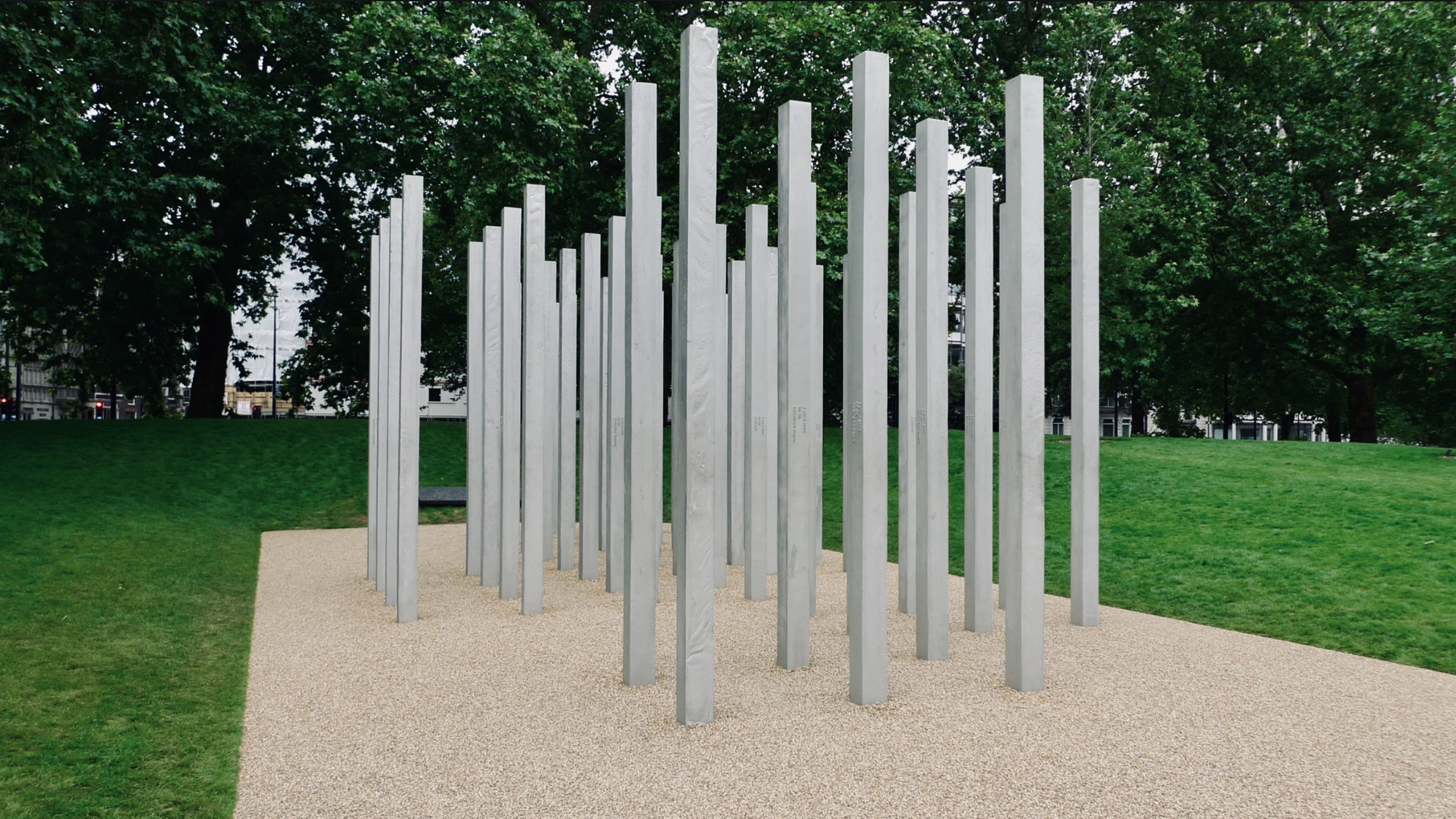
Each year on July 7, memorial ceremonies are held at the 7 July Memorial in Hyde Park and other locations across London. The memorial consists of 52 stainless steel pillars, each representing one of the people killed in the attacks. Survivors, emergency responders, political leaders and relatives gather annually to remember those whose lives were lost.
The anniversary serves as a reminder that terrorism seeks not only to inflict physical destruction but also to undermine public confidence and social cohesion. London’s recovery demonstrated the resilience of its residents, transport workers, emergency services and healthcare professionals during one of the city’s darkest days.
Twenty-one years later, the London bombings continue to be studied by historians, security experts, emergency planners and policymakers. The attacks reshaped how governments prepare for coordinated terrorist incidents while reinforcing the importance of intelligence cooperation, rapid emergency response and community resilience.
Although security technologies and counterterrorism strategies have evolved considerably since 2005, the legacy of July 7 remains rooted in the lives forever changed that morning. Remembering the victims, recognizing the courage shown by responders and preserving the historical record ensure that the lessons of that day continue to inform future generations.
About the Author Brad Socha is the founder of The Universal Record, focused on sourced, factual global reporting. Coverage includes international news, geopolitics, technology, and major developments.