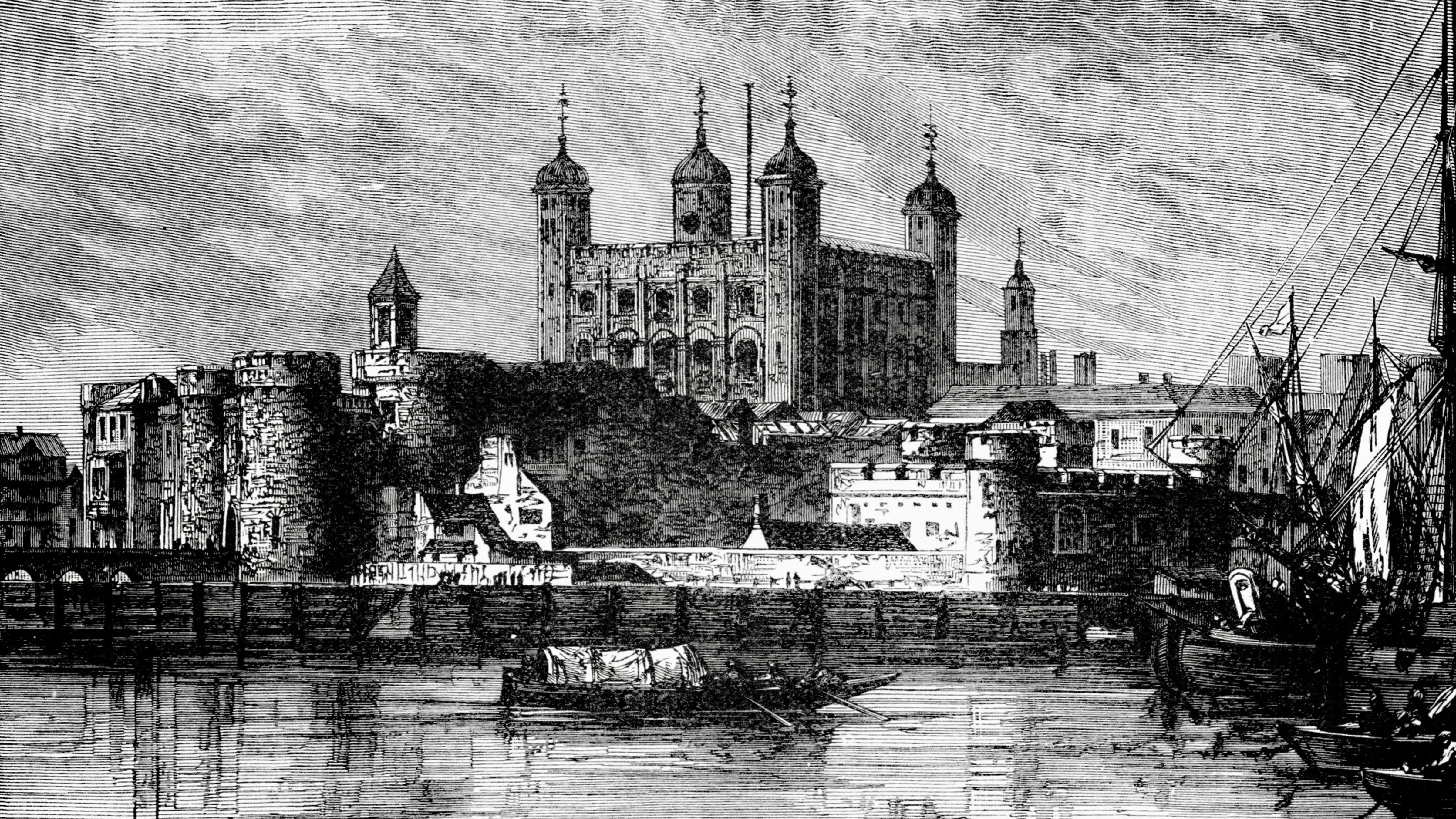
One of the strangest crimes in British history unfolded on May 9, 1671 when an Irish adventurer named Thomas Blood attempted to steal England’s Crown Jewels directly from the Tower of London in a plot so bold that it shocked the monarchy and fascinated the public for centuries afterward. More than 350 years later, the attempted theft remains one of the most extraordinary security breaches ever carried out against the British Crown.
The story continues drawing attention today because of its unbelievable combination of deception, violence, political intrigue, and royal controversy. Blood’s attempt to walk away with some of England’s most valuable national treasures became legendary not only because of the crime itself, but because of the surprising outcome that followed: instead of execution, Blood eventually received royal favour from King Charles II.
The attempted theft occurred during a politically unstable period in England only a decade after the restoration of the monarchy. Thomas Blood, born in Ireland around 1618, had a long history of political conflict, military involvement, and anti-government activity tied to the English Civil War and the Cromwell era. He had previously been accused of multiple conspiracies and was already considered a dangerous figure by authorities.
By 1671, Blood had developed a new plan targeting the Crown Jewels housed inside the Tower of London. At the time, security surrounding the jewels was surprisingly limited compared to modern standards. Visitors could view the royal regalia under supervision by the Keeper of the Jewels, Talbot Edwards, an elderly former soldier who lived inside the Tower complex with his family.
Blood carefully prepared the operation over several weeks using deception and false identities. Disguised as a clergyman, he gained Edwards’ trust after repeatedly visiting the Tower with a woman posing as his wife. During one visit, the fake “wife” reportedly pretended to become ill, allowing the Edwards family to assist them and gradually develop familiarity with the visitors.
After building trust, Blood arranged another meeting on May 9, 1671 under the pretense of introducing Edwards to a wealthy relative supposedly interested in marrying Edwards’ daughter. Instead, Blood arrived with accomplices and launched the robbery attempt inside the Jewel House.
The gang overpowered the elderly keeper and attempted to escape with the Crown Jewels after brutally assaulting him. Historical accounts state that Blood used a wooden mallet to strike Edwards while his accomplices worked quickly to conceal the stolen regalia beneath their clothing.
The thieves reportedly flattened St. Edward’s Crown with a hammer in an effort to hide it more easily beneath a cloak. The Sovereign’s Orb was stuffed into a bag while another accomplice attempted to saw the royal sceptre into smaller pieces to make transport easier.
The plan began collapsing almost immediately. Edwards’ son unexpectedly returned to the Tower during the robbery, forcing the thieves into a rushed escape attempt. Alarm bells sounded throughout the fortress as guards and soldiers pursued the fleeing suspects through the Tower grounds.
Blood and his accomplices were eventually captured before they could escape London with the jewels. Despite the violent assault and attempted theft of priceless royal property, what happened next stunned observers across England.
Rather than ordering Blood’s execution, King Charles II personally requested to meet him. The exact reasons behind the king’s decision remain debated by historians centuries later. Some scholars believe Charles admired Blood’s boldness and charisma, while others suspect political motivations or secret negotiations may have influenced the outcome.
Even more remarkably, Blood not only survived the ordeal but reportedly received land and an annual pension from the Crown after the meeting with the king. The decision triggered widespread public confusion and criticism because Blood had previously been linked to anti-government activities and violent conspiracies.
Historians continue debating whether Blood possessed compromising political information, secret alliances, or influential supporters that protected him from punishment. No definitive explanation has ever fully resolved why Charles II showed such unusual leniency toward a man who had attempted to steal the Crown Jewels.
The attempted theft also exposed major weaknesses in royal security during the seventeenth century. After the incident, stronger protective measures were gradually introduced surrounding the Crown Jewels and the Tower of London.
Today, the Crown Jewels remain among Britain’s most heavily protected national treasures. The collection includes crowns, sceptres, ceremonial swords, orbs, and other royal regalia used during coronations and state ceremonies. They are housed behind extensive modern security systems and continue attracting millions of visitors to the Tower of London every year.
Thomas Blood himself became a notorious celebrity-like figure after the failed robbery. His story spread widely across England through pamphlets, public discussion, and historical accounts. The unusual combination of audacity, violence, political intrigue, and royal mercy transformed him into one of the most infamous criminals in British history.
Modern historians often describe the incident as one of history’s earliest examples of a high-profile “inside confidence” theft operation, relying heavily on social engineering and deception rather than brute force alone.
More than three centuries later, the failed Crown Jewels robbery continues standing as one of the most unusual and captivating crime stories connected to the British monarchy.
About the Author Brad Socha is the founder of The Universal Record, focused on sourced, factual global reporting. Coverage includes international news, geopolitics, technology, and major developments.