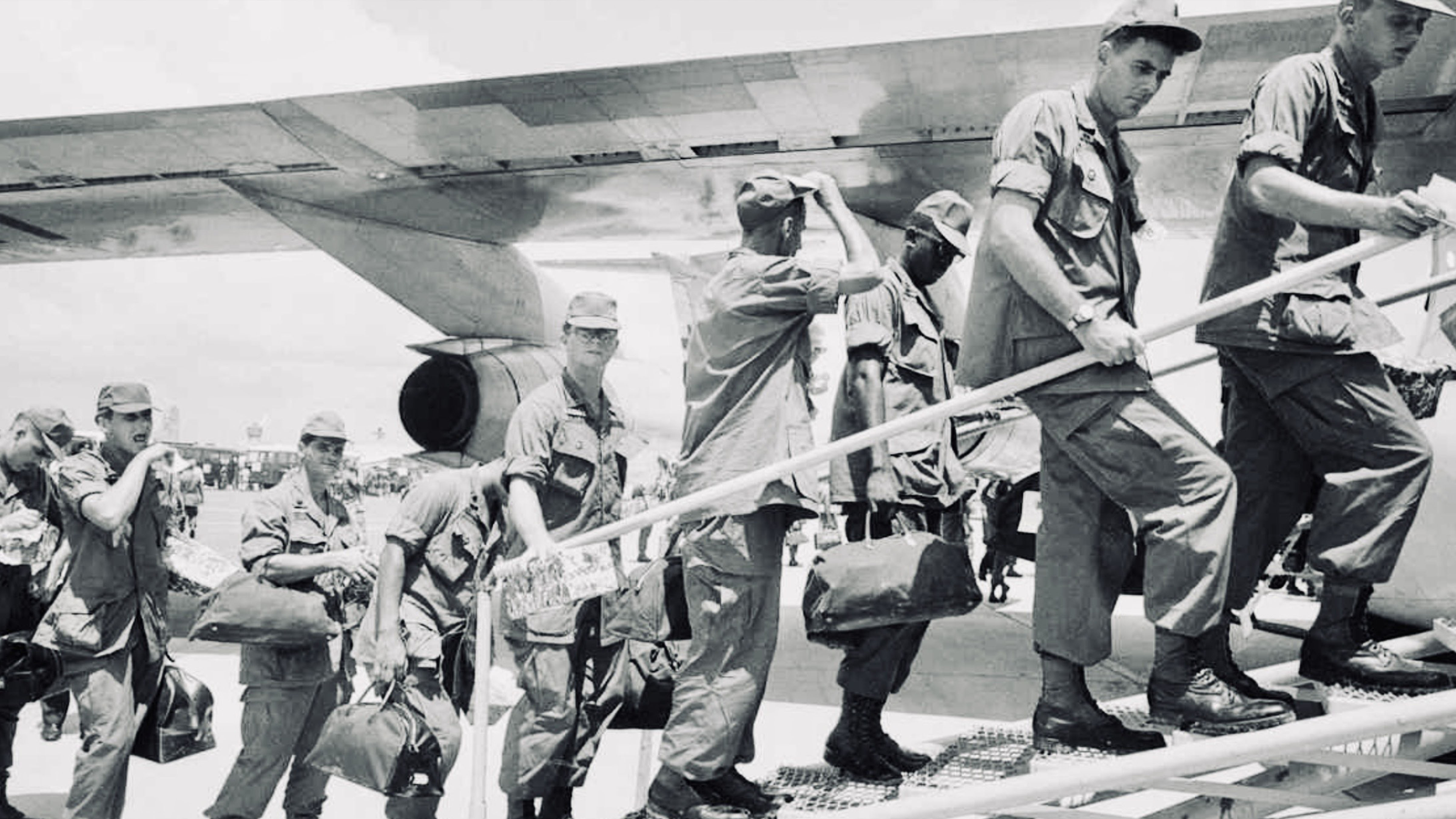
The departure of the last U.S. combat troops marked a turning point in the Vietnam War, ending direct American military involvement after years of conflict, political division, and global tension.
The withdrawal of the final American combat troops from Vietnam on March 29, 1973, remains one of the most significant military and geopolitical moments of the twentieth century. The departure effectively ended direct U.S. combat operations in a conflict that had reshaped American foreign policy, divided public opinion, and influenced global politics for decades.
More than fifty years later, the legacy of Vietnam continues to shape military doctrine, diplomatic strategy, and public attitudes toward foreign intervention. The war’s impact extended far beyond Southeast Asia, influencing how governments evaluate military commitments, alliances, and the human costs of prolonged conflict.
The departure of the final combat troops followed the signing of the Paris Peace Accords on January 27, 1973. Negotiated by representatives from the United States, North Vietnam, South Vietnam, and the Viet Cong, the agreement sought to establish a ceasefire and create a framework for ending direct American involvement in the war.
Under the agreement, U.S. military personnel would withdraw while American prisoners of war held by North Vietnam would be released.
By March 29, the withdrawal was complete.
The final contingent of combat troops departed South Vietnam, formally concluding a military presence that had grown from a small advisory mission in the 1950s into one of the largest overseas military operations in American history.
A War That Changed a Generation
American involvement in Vietnam escalated dramatically during the 1960s as policymakers sought to prevent the spread of communism in Southeast Asia during the Cold War.
Following the 1964 Gulf of Tonkin incident, U.S. military operations expanded rapidly. Hundreds of thousands of American troops were deployed to Vietnam as fighting intensified against North Vietnamese forces and Viet Cong insurgents operating throughout the South.
At its peak in 1969, U.S. troop strength in Vietnam exceeded 540,000 personnel.
The conflict became one of the most heavily televised wars in history. Images from the battlefield reached living rooms across America on a daily basis, contributing to growing public scrutiny of the war’s objectives and costs.
The human toll was immense.
More than 58,000 American service members lost their lives during the conflict, while hundreds of thousands were wounded. Vietnamese military and civilian casualties reached into the millions. Vast areas of Vietnam, Laos, and Cambodia were affected by military operations, bombing campaigns, and displacement.
As casualties mounted and progress remained uncertain, anti-war protests grew across the United States. University campuses became centres of political activism, while demonstrations attracted participants from a broad range of backgrounds. The war increasingly became a source of national division.
The Tet Offensive of 1968 proved especially influential.
Although North Vietnamese and Viet Cong forces suffered significant battlefield losses during the offensive, the scale and surprise of the attacks undermined confidence in official claims that victory was near. Public opinion shifted further against continued escalation.
The Road to Withdrawal
By the late 1960s and early 1970s, the Nixon administration adopted a strategy known as Vietnamization.
The policy aimed to gradually transfer combat responsibilities to South Vietnamese forces while reducing the number of American troops in the country. At the same time, diplomatic negotiations continued in Paris in search of a political settlement.
The peace talks were lengthy and often contentious.
Key issues included ceasefire arrangements, prisoner exchanges, political representation, and the future of South Vietnam. Negotiations involved American National Security Advisor Henry Kissinger and North Vietnamese diplomat Le Duc Tho, who later shared the Nobel Peace Prize, although Tho declined the award.
The signing of the Paris Peace Accords in January 1973 paved the way for the final troop withdrawal.
Operation Homecoming simultaneously facilitated the return of hundreds of American prisoners of war. Images of returning POWs became powerful symbols of the war’s conclusion for many Americans.
Despite the withdrawal, the conflict itself did not end.
Fighting between North and South Vietnamese forces continued after American troops departed. The ceasefire proved fragile, and both sides accused one another of violations almost immediately.
In April 1975, North Vietnamese forces captured Saigon, bringing the war to its final conclusion and leading to the reunification of Vietnam under communist rule.
A Lasting Global Legacy
The departure of American combat troops in 1973 marked the end of one chapter but the beginning of another.
The Vietnam War profoundly influenced future American military planning and foreign policy. Policymakers became increasingly cautious about large-scale military interventions without clearly defined objectives, public support, and exit strategies.
The conflict also reshaped public trust in government institutions and media coverage of war. Many historians view Vietnam as a defining moment in modern political culture, influencing debates about transparency, accountability, and executive power.
Internationally, the war became a major Cold War case study.
Military leaders, diplomats, and scholars continue examining the conflict’s lessons regarding insurgency warfare, nation-building efforts, alliance management, and geopolitical competition between major powers.
For Vietnam, the war’s consequences remained visible for generations. Reconstruction efforts, economic reforms, and normalization of diplomatic relations with former adversaries gradually transformed the country during the decades that followed.
Today, Vietnam and the United States maintain diplomatic and economic ties that would have seemed unlikely during the height of the conflict.
Yet March 29, 1973, remains a defining historical milestone.
The departure of the final American combat troops symbolized the end of direct U.S. military involvement in a war that changed nations, influenced global politics, and left an enduring mark on the twentieth century. The lessons of Vietnam continue to resonate in discussions about military intervention, diplomacy, and the complex realities of modern conflict.
About the Author Brad Socha is the founder of The Universal Record, focused on sourced, factual global reporting. Coverage includes international news, geopolitics, technology, and major developments.