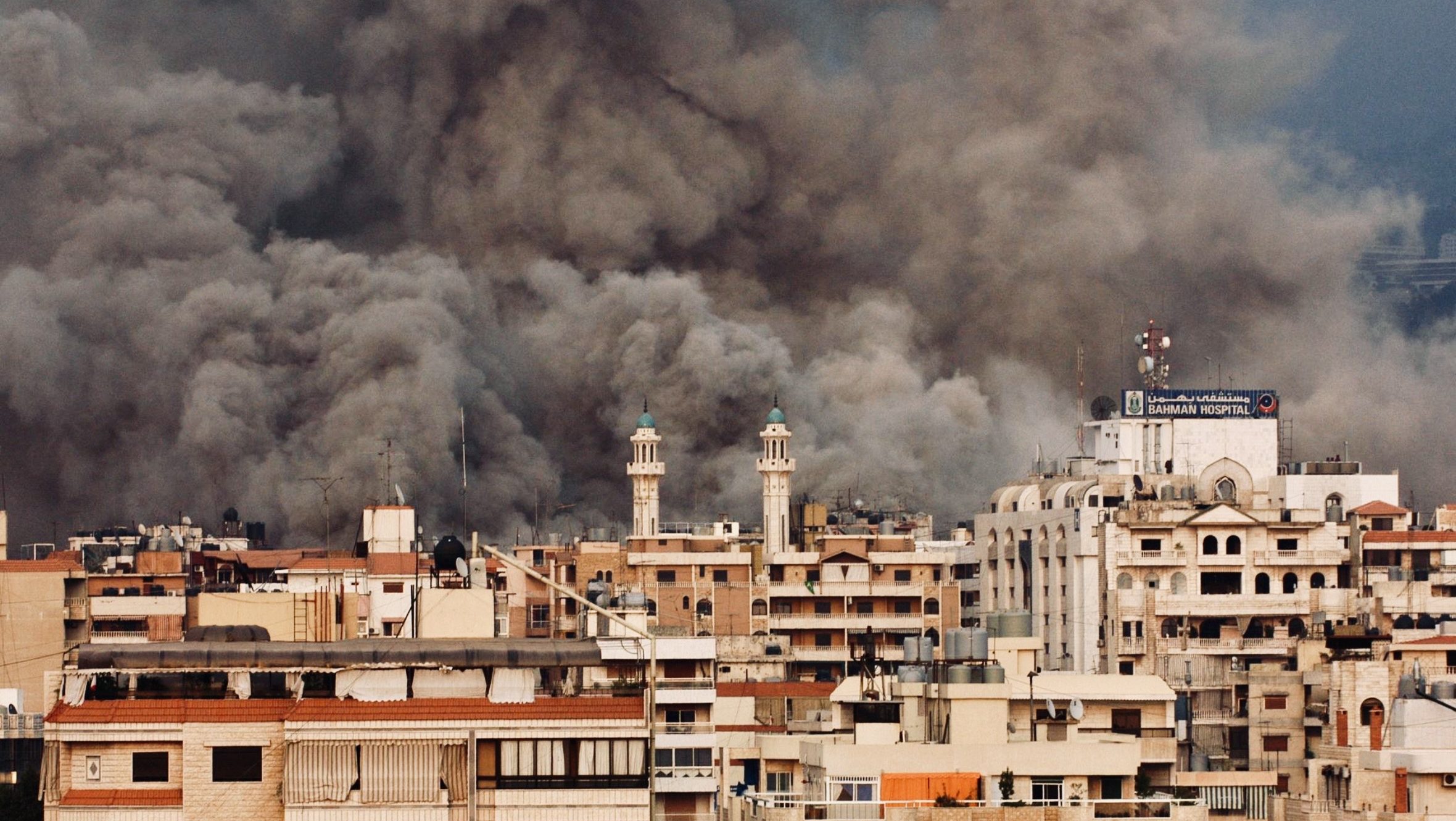
A fragile ceasefire agreement between the United States and Iran is under increasing strain as military actions and conflicting interpretations of the deal continue to escalate tensions across the Middle East, particularly involving Israel and Lebanon.
A two-week ceasefire between the United States and Iran was announced on April 7–8, 2026, aimed at reducing hostilities following weeks of conflict. However, the scope of the agreement has become a central point of dispute, with disagreement over whether it includes Lebanon and Iran-backed groups such as Hezbollah.
Despite the ceasefire, Israel has continued large-scale military operations in Lebanon, targeting Hezbollah positions. Airstrikes in Beirut and other regions have resulted in significant casualties, with hundreds reported killed or injured in some of the heaviest attacks of the conflict.
Israeli officials have stated that operations against Hezbollah are not covered by the U.S.–Iran ceasefire, maintaining that military action in Lebanon remains necessary for national security.
Iran, however, has argued that Lebanon should be included in the ceasefire terms and has warned that continued Israeli strikes could jeopardize the agreement. In response to developments in Lebanon, Iran has taken actions affecting global trade routes, including renewed restrictions in the Strait of Hormuz, a critical corridor for oil shipments.
The United States has maintained that the ceasefire applies specifically to direct hostilities between U.S. and Iranian forces, while continuing diplomatic efforts to stabilize the situation. U.S. officials have also indicated ongoing military presence in the region to ensure compliance with the agreement.
Meanwhile, Hezbollah has resumed or threatened renewed attacks in response to Israeli operations, further complicating the regional security environment. The ongoing exchanges highlight the risk of the ceasefire collapsing as multiple actors pursue overlapping and sometimes conflicting objectives.
International leaders and organizations have expressed concern over the escalating violence and have called for broader inclusion of Lebanon in ceasefire discussions to prevent further deterioration of the situation.
The situation remains fluid, with continued military activity, diplomatic negotiations, and economic disruptions indicating that the region is in a period of heightened instability.
About the Author Brad Socha is the founder of The Universal Record, focused on sourced, factual global reporting. Coverage includes international news, geopolitics, technology, and major developments.