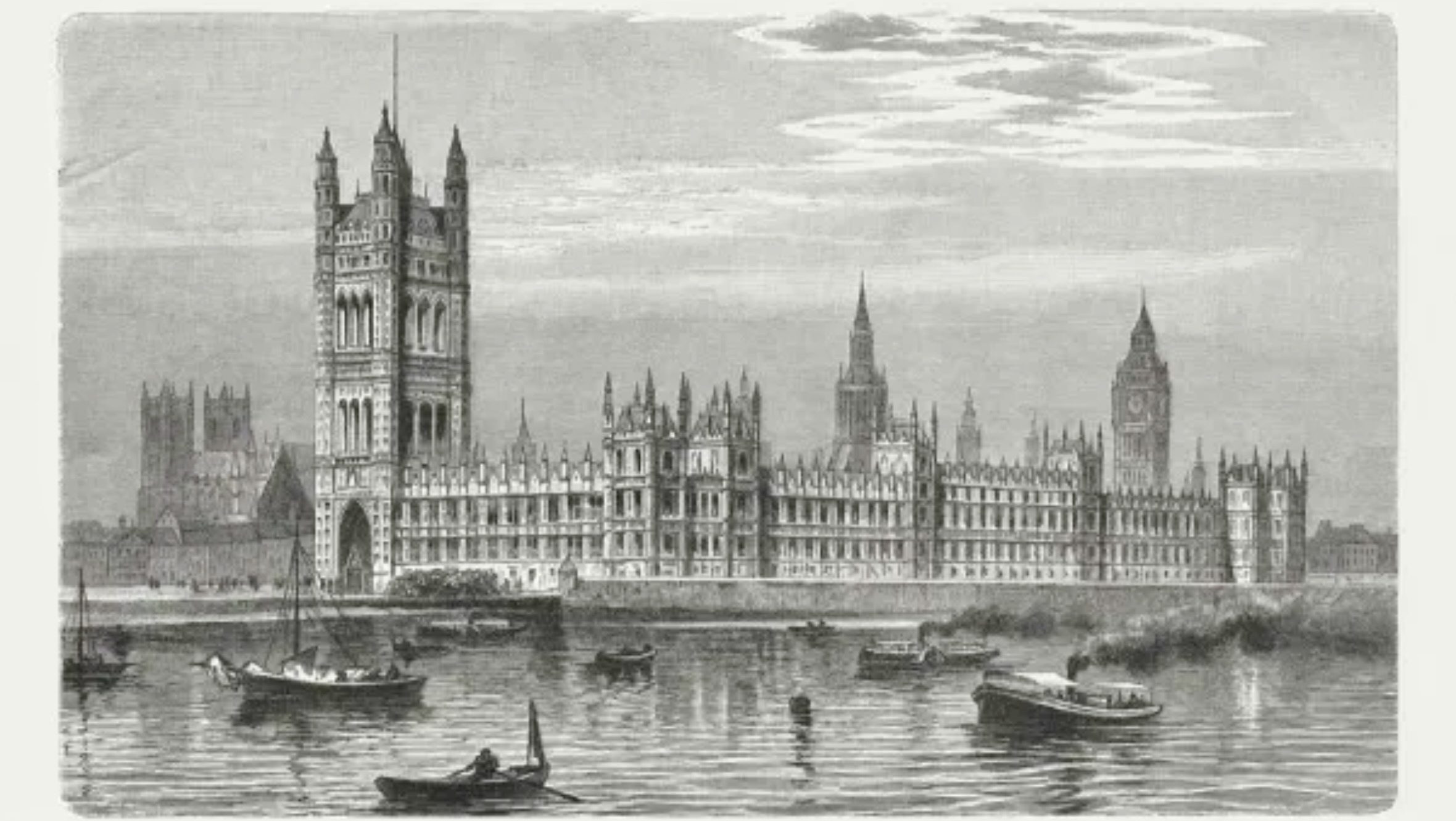
On March 25, 1807, the British Parliament passed the Slave Trade Act, formally abolishing the transatlantic slave trade throughout the British Empire. The legislation made it illegal for British ships to engage in the transportation of enslaved people and prohibited British ports from being used in the trade, marking a major legal shift in British commercial and maritime activity.
The act was the result of a sustained political and social campaign led by abolitionist groups in Britain during the late 18th and early 19th centuries. Activists gathered evidence documenting conditions aboard slave ships and presented testimony detailing the treatment of enslaved individuals during transatlantic voyages. These efforts contributed to growing public awareness and increased pressure on Parliament to legislate against the trade.
Key parliamentary figures and advocacy groups worked over several decades to advance abolition legislation. Petitions, public campaigns, and organized boycotts of goods produced through enslaved labour became widespread across Britain. By the early 1800s, the issue had become a central topic of national political debate.
Under the 1807 act, any British ship found participating in the slave trade faced significant financial penalties, and ship captains and owners could be prosecuted. The law also empowered British authorities to seize vessels involved in illegal transport. In the years following its passage, the British Royal Navy established the West Africa Squadron, which was tasked with enforcing the ban by patrolling the West African coastline and intercepting slave ships operating in violation of the law.
Despite the abolition of the slave trade, slavery itself remained legal in British colonies. Enslaved individuals continued to be held in territories across the Caribbean and elsewhere within the empire. This distinction meant that while the importation of enslaved people was banned, existing systems of forced labour persisted for several more decades.
The legal status of slavery within the British Empire changed with the passage of the Slavery Abolition Act in 1833. That legislation provided for the gradual emancipation of enslaved individuals in most British territories, although systems such as apprenticeship temporarily extended forced labour conditions in certain regions before full emancipation was implemented.
The 1807 abolition of the slave trade had international implications. Britain’s enforcement efforts extended beyond its own empire, and diplomatic pressure was applied to other nations to adopt similar measures. Over time, additional countries enacted laws restricting or banning participation in the transatlantic slave trade.
The transatlantic slave trade had operated for centuries prior to abolition, involving the forced transportation of millions of Africans across the Atlantic Ocean, primarily to the Americas. The 1807 act marked a turning point in the legal framework governing that trade within the British Empire and contributed to broader global shifts in policy and enforcement.
About the Author Brad Socha is the founder of The Universal Record, focused on sourced, factual global reporting. Coverage includes international news, geopolitics, technology, and major developments.