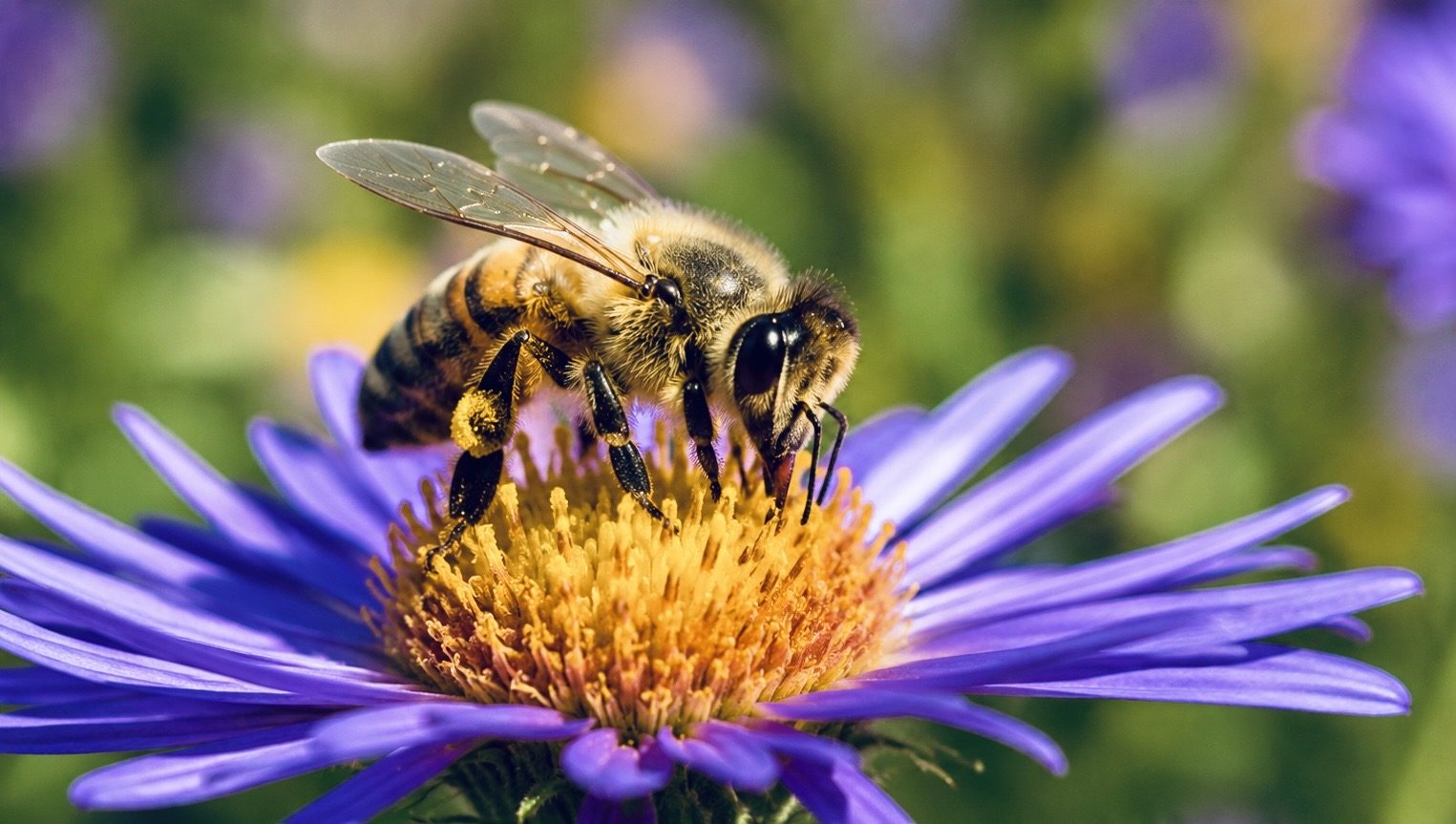
Bee Population Decline Raises New Fears Over Global Food Security
Scientists warn that continued bee population losses could threaten food production, ecosystems, and agricultural economies worldwide as pollinator declines accelerate across multiple regions.
The global decline of bee populations is becoming an increasingly urgent issue for scientists, farmers, and governments as concerns grow over the long-term stability of global food systems. Researchers across North America, Europe, and parts of Asia continue documenting significant losses among both wild bee species and managed honeybee colonies, raising fears about future agricultural productivity and ecosystem stability.
The issue matters because bees play a critical role in pollinating many of the crops that support the world’s food supply. Fruits, vegetables, nuts, oilseeds, and countless other agricultural products depend heavily on pollinators. Without healthy bee populations, food production systems could face rising costs, reduced crop yields, and growing instability in global supply chains.
Scientists estimate that roughly one-third of global food production depends in some way on pollination from bees and other insects. Crops such as almonds, apples, blueberries, cucumbers, avocados, cherries, and canola rely extensively on bee activity during growing seasons. Pollination contributes billions of dollars annually to global agricultural economies.
Recent research has shown that multiple bee species continue experiencing population stress linked to habitat destruction, pesticide exposure, disease, parasites, industrial agriculture, and environmental pressures. Experts increasingly warn that the problem is not being driven by a single cause, but rather by a combination of factors affecting pollinator survival simultaneously.
One of the major concerns involves habitat loss caused by urban expansion, industrial farming, and deforestation. Natural flowering landscapes that once supported diverse bee populations are shrinking in many regions. Wildflower-rich ecosystems that provide food and shelter for pollinators are being replaced by large-scale agricultural zones, highways, housing developments, and commercial infrastructure.
Researchers also continue studying how changing environmental conditions may affect seasonal pollination cycles and flowering patterns. Scientists say pollinator health appears connected to a wide range of ecological and agricultural pressures that can impact food availability and colony stability.
Pesticides remain another major source of scientific and regulatory debate. Certain insecticides, particularly neonicotinoids, have faced intense scrutiny over possible effects on bee navigation, reproduction, and colony health. While some governments have introduced restrictions on certain chemicals, agricultural industries argue pesticides remain important tools for maintaining crop production and controlling damaging pests.
Honeybee colonies have also been impacted by parasites such as the Varroa mite, which weakens bees and spreads disease throughout colonies. Beekeepers in several countries continue reporting substantial annual colony losses despite improved hive management practices and treatment efforts.
The decline of wild bee populations may present an even larger long-term concern because wild pollinators contribute significantly to biodiversity and agricultural resilience. Unlike commercial honeybee colonies, many wild bee species cannot be easily replaced or managed by humans. Scientists warn that once certain species disappear, ecological recovery may become extremely difficult.
Economic concerns are growing alongside environmental warnings. Farmers increasingly depend on commercial pollination services to maintain crop yields. In some regions, pollination costs have risen significantly as bee shortages intensify during key agricultural seasons. Almond production in California, for example, now requires the transportation of massive numbers of managed honeybee colonies each year to support pollination demand.
Food prices could also eventually be affected if pollinator declines continue worsening. Reduced pollination can lead to lower crop yields, increased production costs, and supply shortages in certain agricultural sectors. Experts caution that the effects may not appear immediately across all products, but long-term instability could place additional pressure on global food markets already facing broader supply chain challenges.
Governments and environmental organizations have responded with a growing number of conservation initiatives. Some countries have expanded restrictions on certain pesticides, while others are funding pollinator habitat restoration projects and scientific research programs. Urban bee initiatives, pollinator gardens, and sustainable farming programs have also gained attention as communities attempt to support local pollinator populations.
Technology and artificial intelligence are now being used to monitor bee activity and improve agricultural tracking systems. Researchers are developing AI tools capable of analyzing hive behaviour, detecting disease patterns, and monitoring pollination efficiency. Precision agriculture technologies may eventually help farmers reduce unnecessary chemical use while improving crop management practices that are safer for pollinators.
Despite mounting concerns, scientists stress that bee population trends vary by species and region. Some managed honeybee populations have stabilized in certain countries due to intensive beekeeping efforts, while wild pollinator declines remain more difficult to measure accurately. Researchers continue calling for broader long-term monitoring programs to better understand global pollinator health.
The issue has gained wider public attention because of its direct connection to food security and agricultural sustainability. Unlike many environmental concerns that can appear distant from daily life, pollinator decline has immediate implications for agriculture, grocery prices, biodiversity, and long-term economic stability.
As global agricultural demand continues rising, the health of pollinator populations is increasingly viewed as a critical part of future food system resilience. Scientists warn that protecting bees may ultimately require coordinated international action involving agriculture, environmental policy, urban planning, and ecosystem conservation.
The decline of bee populations is no longer viewed simply as an environmental issue. It is increasingly becoming a global agricultural and economic challenge with potential consequences for food systems worldwide.
About the Author Brad Socha is the founder of The Universal Record, focused on sourced, factual global reporting. Coverage includes international news, geopolitics, technology, and major developments.