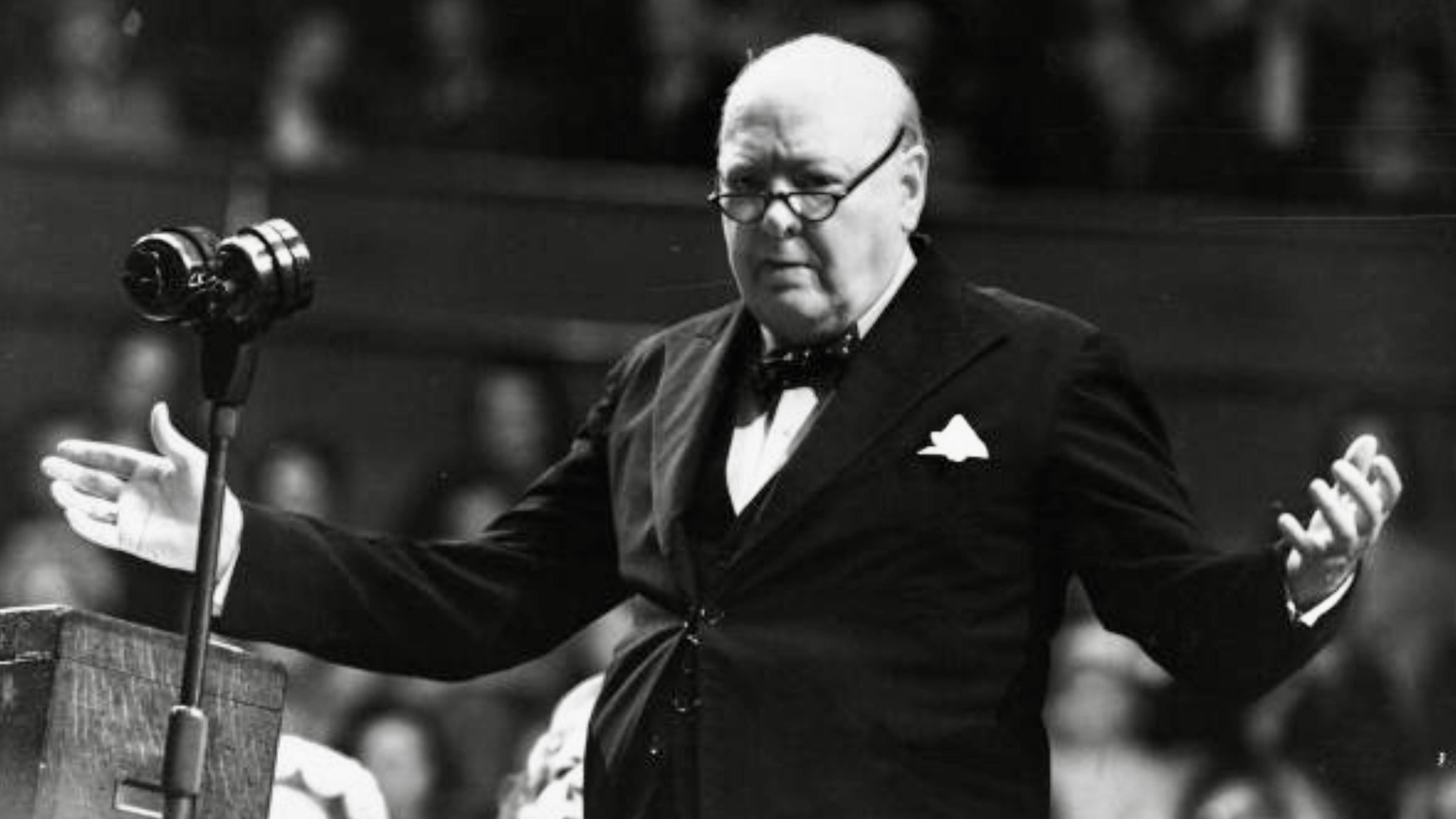
On May 13, 1940, newly appointed British Prime Minister Winston Churchill stood before the House of Commons and delivered a speech that would become one of the defining moments of World War II. Just days after taking office during one of the darkest periods in modern European history, Churchill addressed a nation facing the growing threat of Nazi Germany with a blunt and unforgettable warning: “I have nothing to offer but blood, toil, tears and sweat.”
More than eight decades later, the speech remains one of the most famous wartime addresses ever delivered, remembered not only for its language but for the role it played in shaping British morale during the early stages of the Second World War.
The speech came at a moment of extreme uncertainty for Britain and Europe. Nazi Germany had rapidly expanded across the continent, invading Poland in 1939 before launching attacks into Western Europe in 1940. By the time Churchill became Prime Minister on May 10, German forces had already begun major offensives into Belgium, Luxembourg, and the Netherlands.
Britain faced the possibility of a catastrophic military defeat, while political divisions and fears over the future of Europe continued growing.
Churchill replaced Neville Chamberlain after mounting criticism surrounding Britain’s earlier policy of appeasement toward Adolf Hitler’s Germany. Many political leaders believed stronger leadership was needed as the war intensified and the threat of invasion loomed over Britain.
Only three days after taking office, Churchill addressed Parliament for the first time as Prime Minister.
The speech itself was relatively short compared to some of Churchill’s later wartime addresses, but its impact proved enormous. Rather than offering comfort or unrealistic optimism, Churchill openly acknowledged the severity of the crisis facing Britain.
He told Parliament that the government’s policy was to wage war “by sea, land and air” with all available strength against what he described as a “monstrous tyranny.”
The speech is most remembered for the line:
“I have nothing to offer but blood, toil, tears and sweat.”
The phrase immediately captured international attention and quickly became associated with Britain’s determination to continue fighting despite overwhelming danger.
Historians say Churchill’s speech stood out because of its honesty. At a time when many governments attempted to reassure populations with optimistic messaging, Churchill instead chose to prepare the British public for sacrifice, hardship, and a prolonged conflict.
The address also marked the beginning of Churchill’s reputation as one of history’s most influential wartime communicators. Throughout World War II, his speeches would become central to maintaining morale during events including the Battle of Britain, German bombing campaigns against London, and the broader Allied war effort.
Churchill’s speaking style combined dramatic language, emotional intensity, and clear strategic messaging. His speeches were widely broadcast by radio, allowing millions across Britain and around the world to hear his words directly during wartime.
The “Blood, Toil, Tears and Sweat” speech also carried major geopolitical importance. Britain was entering a period where it would soon stand largely alone against Nazi Germany following the collapse of France in 1940. Churchill’s leadership and messaging helped reinforce Britain’s refusal to negotiate surrender despite mounting pressure.
Within weeks of the speech, the war situation deteriorated further. German forces advanced rapidly across Europe, leading to the evacuation of Allied troops from Dunkirk later that month. Yet Churchill continued using speeches to rally both Parliament and the public during moments when invasion fears were growing daily.
The speech remains deeply tied to Churchill’s broader legacy. Supporters view him as one of the key figures responsible for helping lead Britain through the Second World War, while historians continue debating aspects of his political decisions, imperial policies, and leadership style beyond the war itself.
Regardless of those debates, the speech delivered on May 13, 1940 remains one of the most recognized examples of wartime political communication in modern history.
Its influence extended far beyond Britain. Allied nations frequently cited Churchill’s speeches as symbols of resistance against authoritarianism during the war. His words later became embedded in historical documentaries, museums, books, and educational materials worldwide.
Today, the speech is still studied by historians, political analysts, speechwriters, and leadership experts because of how effectively it combined realism, urgency, and resolve during a national crisis.
The phrase “blood, toil, tears and sweat” continues to symbolize sacrifice and perseverance during difficult periods of history.
More than 80 years later, Churchill’s first speech as Prime Minister remains one of the clearest examples of how political leadership and communication can shape public morale during moments of global uncertainty and war.
About the Author Brad Socha is the founder of The Universal Record, focused on sourced, factual global reporting. Coverage includes international news, geopolitics, technology, and major developments.