Tensions between the United States and Iran sharply escalated again this week after both sides exchanged military strikes near the Strait of Hormuz, raising new fears about global energy security, Middle East stability, and the possibility of broader regional conflict. The latest confrontation matters globally because the Strait of Hormuz remains one of the world’s most important shipping corridors for oil and energy exports, with disruptions capable of affecting fuel prices, financial markets, and international trade within days.
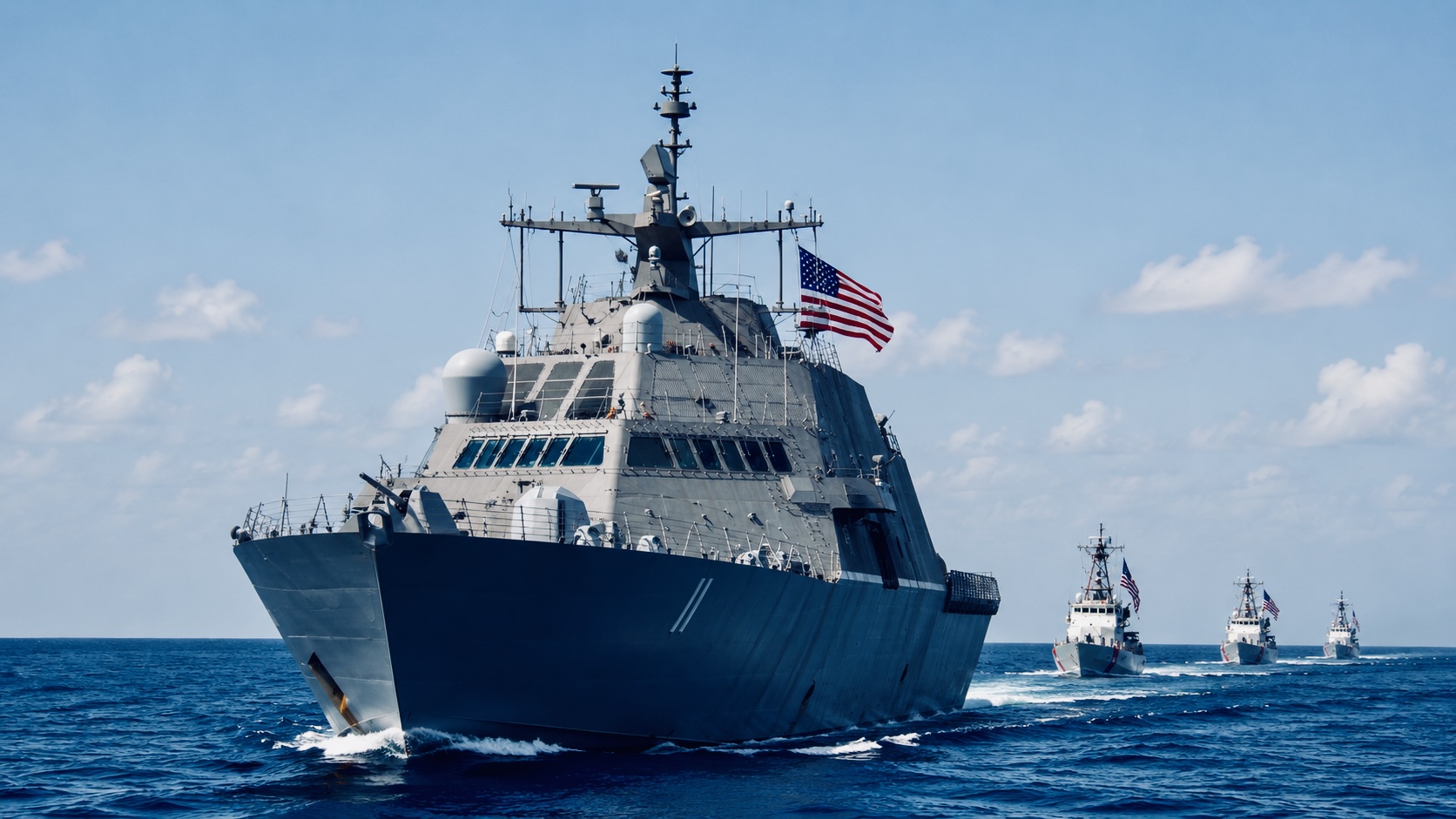
As of May 8, U.S. Central Command confirmed that American forces launched retaliatory strikes against Iranian military targets after multiple drones, missiles, and armed boats reportedly targeted U.S. Navy destroyers operating near the strategic waterway. American officials stated that no U.S. ships were successfully hit during the incident, but military infrastructure tied to missile launches and surveillance operations inside Iran was later targeted in response.
Iranian officials accused the United States of violating an already fragile ceasefire arrangement and claimed some American strikes affected civilian areas and commercial shipping infrastructure near the Strait of Hormuz. Tehran also maintained that its actions were defensive and linked to what it described as aggressive American military activity in the region.
The latest exchange marks one of the most serious direct confrontations between the two countries in recent months. Although both sides publicly stated they do not seek a wider war, military activity has continued despite ongoing diplomatic efforts involving Pakistan, Oman, and several international intermediaries attempting to broker a longer-term agreement.
The Strait of Hormuz has become the centre of the crisis because it serves as one of the world’s most vital maritime choke points. Roughly one-fifth of globally traded oil passes through the narrow waterway connecting the Persian Gulf to international shipping routes. Any military escalation in the region immediately raises concerns among energy markets, governments, and shipping companies worldwide.
Oil prices have fluctuated sharply throughout the recent crisis as investors react to military developments, ceasefire uncertainty, and the risk of prolonged instability. Analysts continue warning that any sustained closure or disruption of Hormuz traffic could place additional pressure on global inflation, shipping costs, and energy supplies already strained by geopolitical tensions elsewhere.
The current conflict traces back to deteriorating relations over Iran’s nuclear program, regional military alliances, sanctions, and maritime security disputes. The United States has maintained heavy economic sanctions against Iran while simultaneously increasing military deployments across parts of the Middle East. Iran has repeatedly accused Washington and its allies of attempting to isolate and weaken the country economically and militarily.
Diplomatic negotiations regarding Iran’s nuclear activities have also remained highly contentious. American officials continue demanding strict limits on uranium enrichment and missile development programs, while Iranian leadership insists its nuclear activities remain peaceful and that the country has a sovereign right to civilian nuclear technology.
Recent international mediation efforts reportedly focused on creating a temporary framework aimed at reducing military activity while reopening safer commercial navigation through the Strait of Hormuz. Several reports indicate that discussions may also include phased sanctions relief and future negotiations connected to Iran’s nuclear program, although major disagreements remain unresolved.
Pakistan has emerged as one of the key mediators attempting to facilitate indirect communication between Washington and Tehran. International observers believe regional governments are increasingly concerned that continued escalation could destabilize neighbouring countries and threaten broader economic stability across the Middle East.
The latest military confrontation reportedly involved three U.S. Navy destroyers operating near the strait. According to American military statements, Iranian drones, missiles, and armed small boats approached or targeted the vessels before U.S. forces responded with defensive action and subsequent retaliatory strikes against launch facilities and command infrastructure.
Iranian state media later claimed that normal conditions had returned to some affected areas, though military tensions across the region remain elevated. Both sides continue deploying significant naval and air assets near strategic locations throughout the Persian Gulf.
The crisis has also intensified international debate surrounding military deterrence, sanctions policy, and the effectiveness of diplomacy in preventing direct confrontation between major regional powers. Several governments and international organizations have called for immediate de-escalation and renewed negotiations to avoid further destabilization.
Military analysts note that the current situation differs from many previous U.S.-Iran confrontations because of the scale of recent naval operations, the ongoing ceasefire uncertainty, and the broader economic implications tied to shipping through Hormuz. Commercial shipping companies and insurers continue monitoring developments closely while some vessels have reportedly altered routes or delayed travel through the region.
The conflict has additionally renewed concerns over cyber warfare, proxy militias, regional alliances, and the growing use of drones and missile systems in modern naval confrontations. Experts warn that even limited exchanges between the United States and Iran carry the risk of rapid escalation if miscalculations occur.
Despite the rising tensions, diplomatic channels remain active. American officials continue insisting that a negotiated resolution remains possible, while Iranian leadership has signaled conditional openness to future talks if military pressure and sanctions are reduced. However, both governments continue publicly maintaining firm positions on core security and nuclear issues.
As the situation develops, the Strait of Hormuz remains one of the most closely watched regions in the world. The outcome of current negotiations and military standoffs could significantly influence global energy markets, Middle East stability, and future relations between Washington and Tehran.
About the Author Brad Socha is the founder of The Universal Record, focused on sourced, factual global reporting. Coverage includes international news, geopolitics, technology, and major developments.