
THE UNIVERSAL RECORD
Sourced reporting. No opinions.
New negotiations between Iran and the United States are raising hopes of reopening one of the world’s most critical shipping routes, though major risks remain unresolved
By Brad Socha | May 25, 2026 | 8:31 PM EST
The Strait of Hormuz crisis entered a potentially significant new phase on May 25, 2026, as multiple reports indicated that the United States and Iran are discussing a framework that could gradually reopen the strategic waterway after months of conflict, naval disruption, and economic shockwaves across global markets.
Oil prices fell sharply Monday following reports that negotiations were advancing, with investors reacting to growing expectations that commercial shipping traffic through the strait may partially resume in the coming weeks. Brent crude and U.S. crude futures both dropped substantially after Reuters, Nikkei, and other international outlets reported that discussions between Washington and Tehran had intensified.
The Strait of Hormuz remains one of the most important maritime chokepoints in the world. Roughly one-fifth of global oil and liquefied natural gas exports typically pass through the narrow waterway connecting the Persian Gulf to the Arabian Sea. Since the escalation of the 2026 Iran conflict earlier this year, commercial traffic through the route has been severely disrupted by naval threats, drone attacks, mines, electronic interference, and military operations.
According to Reuters and Nikkei reporting published May 25, negotiators are discussing a proposal under which Iran would reopen the Strait of Hormuz approximately 30 days after a formal peace agreement is signed. Reports suggest Iran would begin clearing naval mines and allow unrestricted international passage during a phased stabilization period.
Negotiations Remain Fragile
However, despite market optimism, Iranian officials cautioned Monday that no final agreement has been reached.
Iranian government spokesperson Esmail Baghaei stated that negotiations were progressing but denied that a deal with the United States was imminent. Tehran continues insisting that unresolved disagreements remain regarding sanctions, nuclear oversight, maritime authority, and future regional security arrangements.
At the same time, U.S. officials have also emphasized caution.
President Donald Trump stated over the weekend that negotiations should not be rushed and confirmed that U.S. maritime pressure measures would remain active until any agreement is finalized and verified.
The evolving diplomatic situation comes after months of extraordinary instability in global energy markets.
Daily vessel traffic through Hormuz reportedly collapsed from more than 120 ships per day before the conflict to only a fraction of that level during the height of the crisis. Thousands of seafarers became stranded aboard commercial vessels trapped throughout the Gulf region while insurers dramatically increased war-risk premiums for ships entering nearby waters.
Shipping Activity Begins to Resume
Although shipping remains far below normal levels, some movement has resumed in recent days.
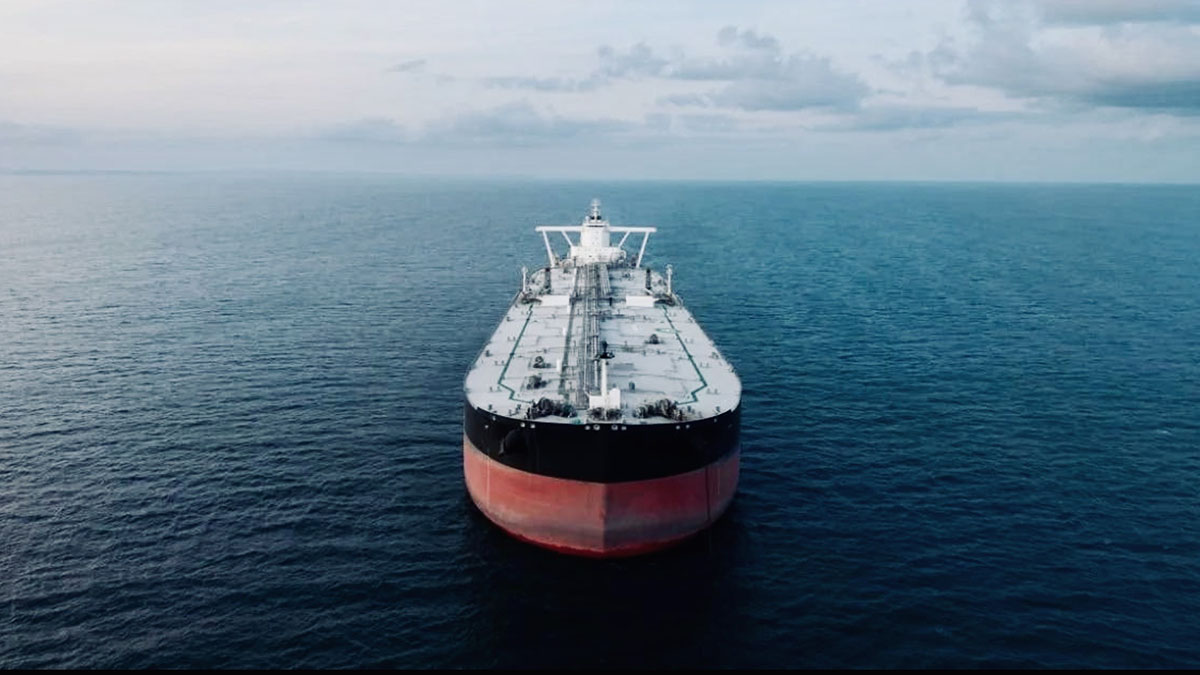
Reuters reported Monday that several LNG carriers and crude oil tankers successfully exited the Strait of Hormuz and resumed voyages toward China, Pakistan, and India after months of stalled operations. One supertanker carrying approximately two million barrels of Iraqi crude is reportedly heading toward China, while LNG shipments connected to Qatar and Abu Dhabi have also resumed limited transit activity.
Markets React to Hormuz Developments
The reopening discussions are already influencing financial markets.
Global stock indexes rose Monday while oil prices and shipping insurance costs eased amid optimism that tensions could gradually decline. Gulf-region stock markets also advanced as investors responded positively to signs of diplomatic progress.
Still, analysts warn that reopening the strait fully may prove far more complicated than markets currently expect.
Even if a ceasefire framework is reached, naval mines, damaged shipping infrastructure, electronic warfare threats, and lingering military tensions could continue disrupting commercial navigation for months. Some experts caution that clearing mines and restoring safe maritime confidence across the region could take considerable time even under a successful agreement.
Electronic interference has also emerged as a growing concern during the crisis.
Shipping companies and maritime authorities have reported widespread GPS jamming and navigation signal spoofing throughout the Gulf region, forcing some commercial crews to rely on backup navigation methods while moving through crowded shipping corridors.
The geopolitical implications extend well beyond energy markets alone.
The Strait of Hormuz crisis has reinforced growing international concern over the vulnerability of global supply chains to regional conflict. Governments across Europe and Asia have accelerated discussions involving energy diversification, strategic reserves, alternative shipping routes, and long-term reductions in dependence on maritime chokepoints vulnerable to military escalation.
The situation has also highlighted increasing tensions surrounding broader U.S.-Iran relations, including disputes involving sanctions, regional influence, and Iran’s nuclear program. Several recent reports indicate that future nuclear negotiations may become part of a broader diplomatic framework tied to reopening the strait and stabilizing the region.
Meanwhile, shipping and commodity markets continue monitoring developments hour by hour.
Some energy analysts believe current market optimism may be premature given the number of unresolved political and military issues still under negotiation. Others argue that even partial reopening of Hormuz could significantly ease global inflation pressures and stabilize oil markets after months of volatility.
The crisis has already reshaped global trade patterns.
India and several Asian economies have increasingly turned toward suppliers in Latin America and Africa to compensate for uncertainty involving Gulf-region exports. International tanker routes have been altered, insurance costs have surged, and governments have quietly reviewed emergency energy contingency plans.
Why the Strait of Hormuz Matters
At the centre of the crisis remains a narrow waterway with enormous global influence.
Only about 21 miles wide at its narrowest point, the Strait of Hormuz continues to hold extraordinary leverage over global energy stability, shipping security, and geopolitical power balances. Events unfolding there are now affecting everything from fuel prices and inflation to international diplomacy and military planning.
For now, the world is watching whether fragile negotiations can produce a sustainable agreement, or whether the Strait of Hormuz remains one of the most dangerous flashpoints in global trade.
Sources:
- Reuters — https://www.reuters.com/world/middle-east/iran-would-open-strait-hormuz-30-days-after-deal-with-us-end-fighting-nikkei-2026-05-25/
- Reuters — https://www.reuters.com/business/energy/vessels-carrying-middle-east-oil-lng-exit-hormuz-head-pakistan-china-2026-05-25/
- Reuters — https://www.reuters.com/world/us/trump-says-iran-deal-largely-negotiated-dispute-over-strait-reopening-2026-05-24/
- The Guardian — https://www.theguardian.com/world/2026/may/25/iran-denies-deal-us-imminent-israel-oman-strait-of-hormuz
About the Author
Brad Socha is the founder of The Universal Record, focused on sourced, factual global reporting. Coverage includes international news, geopolitics, technology, and major developments.