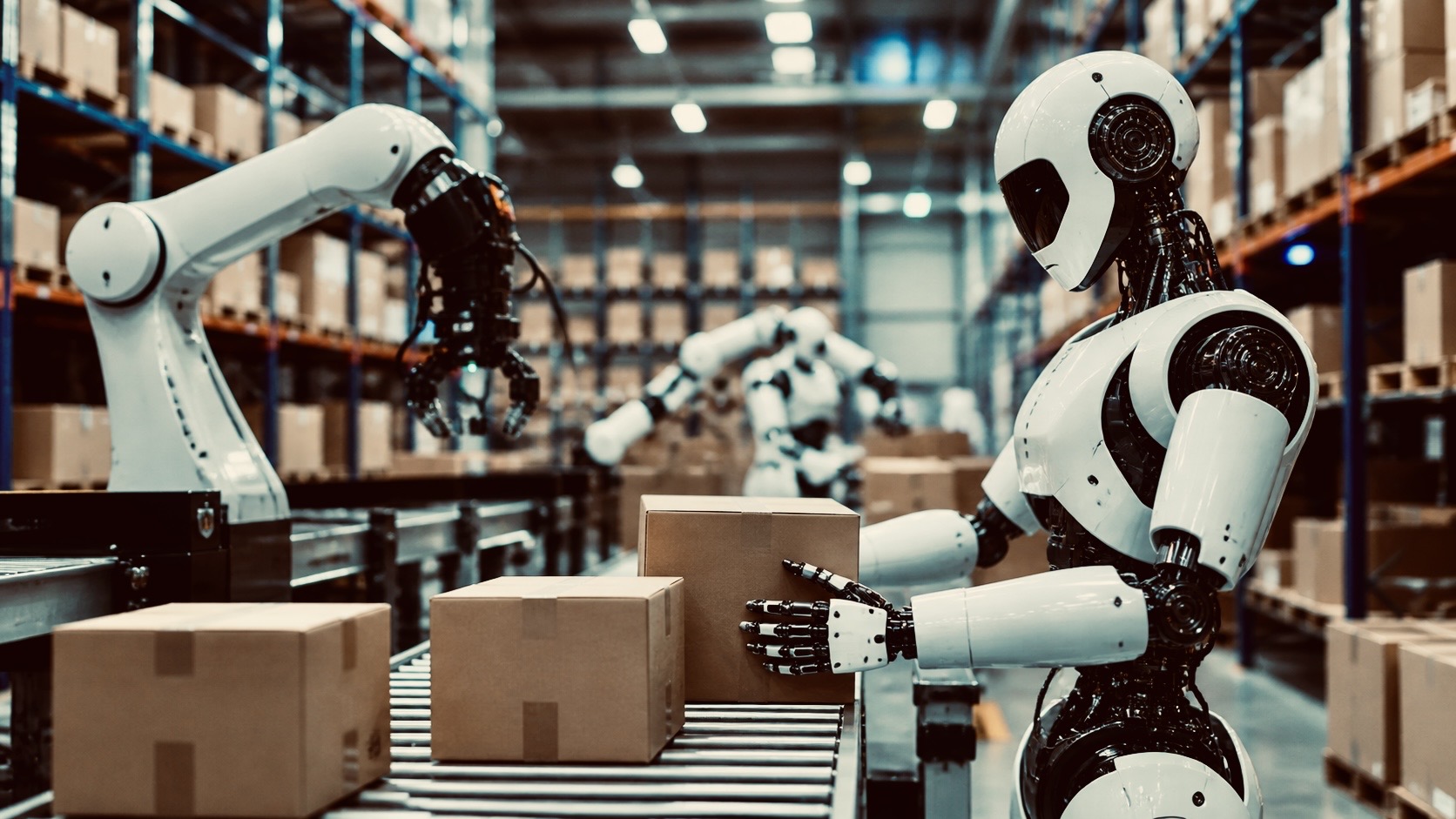
From warehouses to fast food counters, automation is rapidly transforming industries as companies race to deploy robots and artificial intelligence at unprecedented scale
The question of which jobs robots will replace first matters now because automation is no longer a distant concept confined to science fiction. Major corporations across manufacturing, retail, transportation, food service, airports, logistics, and customer support are already integrating robotics and AI systems into daily operations. As labour shortages, rising costs, and advances in machine learning accelerate adoption, economists and technology analysts increasingly believe the first major wave of workforce disruption has already begun.
Robots are expected to replace jobs first in industries that involve repetitive physical tasks, predictable workflows, and structured environments. Unlike highly creative or relationship-based professions, these roles are easier to automate because machines can perform the same actions repeatedly with speed and consistency.
Warehouse and logistics jobs are among the earliest positions being transformed. Companies including Amazon, DHL, and major shipping operators now use robotic systems capable of sorting packages, transporting inventory, scanning products, and assisting with fulfilment operations. Autonomous mobile robots are increasingly replacing portions of manual warehouse labour while AI software manages routing and inventory efficiency.
Manufacturing has also become one of the largest testing grounds for robotics. Automotive factories have used robotic arms for decades, but modern AI-driven systems are now expanding into electronics assembly, packaging, quality control, and machine inspection. Newer robots equipped with sensors and computer vision can adapt to changing conditions more effectively than previous generations of industrial automation.
Fast food and restaurant operations are beginning to change as well. Several restaurant chains are experimenting with robotic fry stations, automated beverage systems, burger assembly machines, and AI-powered drive-thru ordering. Self-service kiosks continue replacing some front-counter positions while robotic kitchen systems reduce the need for repetitive food preparation tasks.
Retail is another sector undergoing rapid automation. Self-checkout systems have already reduced some cashier roles, while AI inventory tracking and shelf-scanning robots are becoming more common in large stores. Some companies are testing fully automated convenience stores where cameras and sensors track purchases without traditional checkout lines.
Transportation and delivery jobs face growing pressure from autonomous technology. While fully driverless trucking remains limited, companies are investing heavily in self-driving freight systems, delivery robots, and automated airport ground operations. Several airports and logistics hubs are now testing robotic baggage handling and cargo transport systems designed to reduce labour demands and improve operational efficiency.
Customer service roles are also changing rapidly due to AI-powered chatbots and voice assistants. Banks, airlines, telecommunications providers, and online retailers increasingly rely on AI systems to answer common customer questions, process refunds, and handle scheduling. While many companies still maintain human support staff, automation is already reducing the number of entry-level service positions in some sectors.
Data-entry and administrative support jobs are considered highly vulnerable because AI systems can process documents, extract information, and manage scheduling tasks far faster than humans. Automated software is increasingly capable of handling payroll processing, invoice management, transcription, and routine office work.
Experts caution, however, that automation does not always eliminate jobs entirely. In many industries, robots first assist workers rather than fully replace them. Humans are still required for maintenance, supervision, decision-making, customer interaction, and handling unexpected situations. Historically, technological revolutions have also created entirely new categories of employment even while disrupting older industries.
Why Automation Is Accelerating Now
The rapid growth of artificial intelligence is one of the main reasons automation is advancing faster than many analysts predicted. Earlier generations of robots struggled with flexibility and decision-making, but AI systems can now recognize objects, process language, analyze environments, and learn from massive datasets.
At the same time, companies face growing economic pressure to improve efficiency. Labour shortages, supply-chain disruptions, inflation, and global competition have encouraged businesses to invest heavily in automation technologies that can operate continuously without fatigue.
Major technology firms including Tesla, Nvidia, Boston Dynamics, and several Chinese robotics companies are also accelerating development of humanoid robots designed to perform physical labour in workplaces built for humans. Some experts believe humanoid systems could eventually expand automation into areas previously considered too unpredictable for robotics.
Which Jobs May Be Safer?
Jobs involving creativity, emotional intelligence, complex human interaction, leadership, and unpredictable environments are generally considered harder to automate. Healthcare professionals, skilled tradespeople, therapists, teachers, emergency responders, and highly creative roles may remain more resilient for longer periods.
However, even these professions are beginning to integrate AI tools for assistance, research, diagnostics, scheduling, and administrative support.
The long-term impact of robotics remains heavily debated among economists and policymakers. Some believe automation will dramatically improve productivity and living standards, while others warn of widening inequality and large-scale job displacement if societies fail to adapt.
Governments, educational institutions, and corporations are increasingly discussing retraining programs, AI regulation, and the future of work as automation spreads globally. The debate is no longer focused on whether robots will transform employment, but how quickly the transition will occur and which industries will change first.
About the Author Brad Socha is the founder of The Universal Record, focused on sourced, factual global reporting. Coverage includes international news, geopolitics, technology, and major developments.