The Cinco de Mayo Battle of Puebla in 1862 remains one of the most surprising military victories in modern history, shaping national identity and global cultural recognition. The day matters now because it reflects how a single, unlikely military victory has evolved into a powerful cultural symbol, one that continues to shape identity, heritage, and global awareness of Mexican history. As celebrations grow each year, the story behind the date remains as relevant as ever.
Cinco de Mayo commemorates the Battle of Puebla, fought on May 5, 1862, when Mexican forces achieved a surprising victory over the French army. At the time, France was one of the most powerful military forces in the world, while Mexico faced significant economic and political instability. The clash came during a period when European powers were seeking influence in the Americas, and Mexico had recently suspended debt payments to foreign nations, prompting intervention.
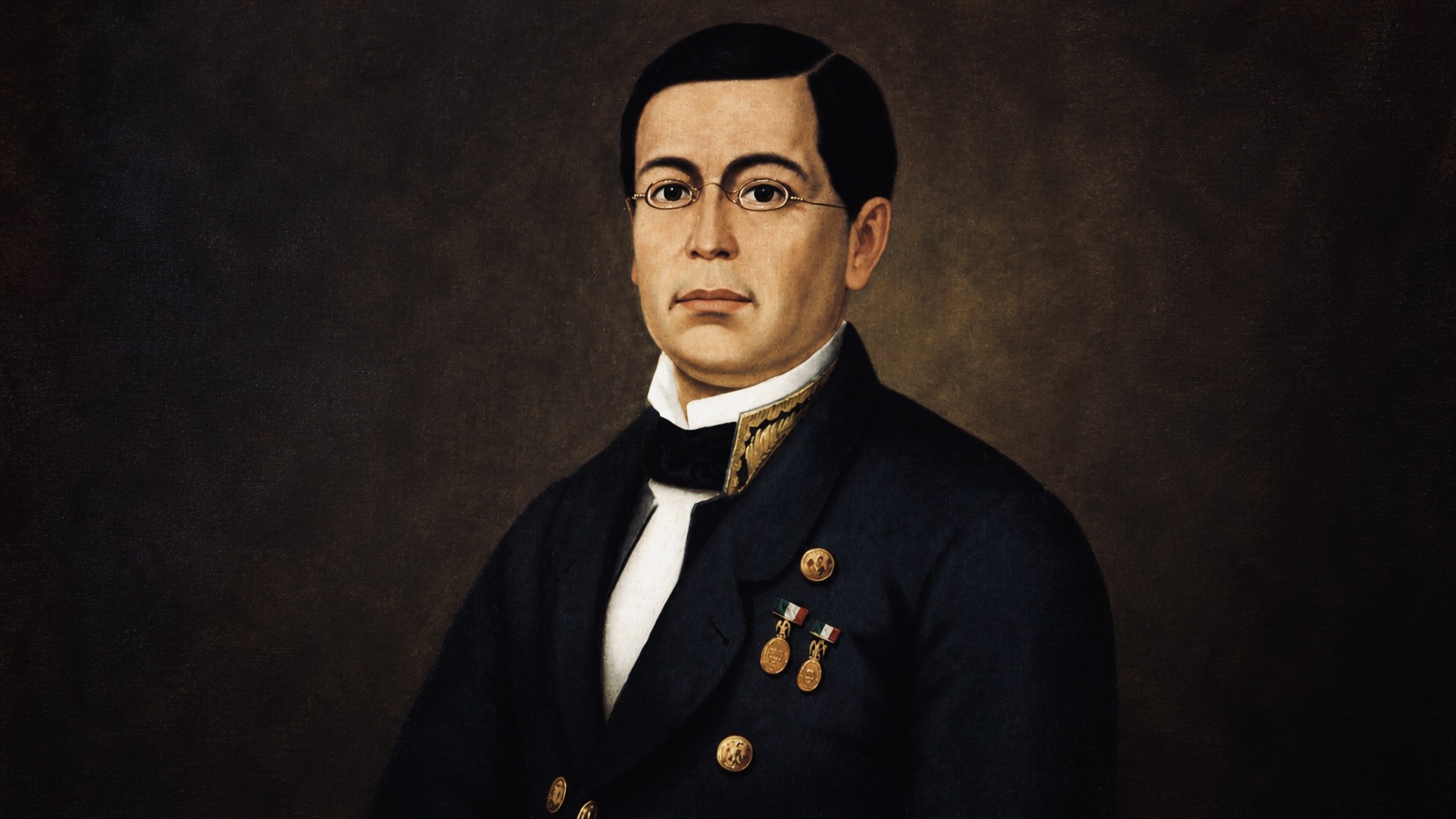
Under the leadership of General Ignacio Zaragoza, a relatively small and less-equipped Mexican army defended the city of Puebla against a larger and better-armed French force. Despite being outnumbered, Mexican troops successfully repelled repeated assaults, forcing the French army to retreat. The victory did not end the broader conflict, France would later occupy Mexico City, but it delivered a powerful psychological and symbolic win that resonated across the country.
The significance of the Battle of Puebla extended far beyond the battlefield. At a time when Mexico’s sovereignty was under threat, the victory demonstrated that resistance against a global power was possible. It became a rallying point for national unity and pride, reinforcing the idea that determination and strategy could overcome even the most formidable opponents.
Today, Cinco de Mayo is often mistaken for Mexico’s Independence Day, which is actually celebrated on September 16. In Mexico, the holiday is observed primarily in the state of Puebla, where official ceremonies, reenactments, and educational events highlight the historical importance of the battle. Across the rest of the country, it is recognized but not widely celebrated as a national holiday.
In contrast, Cinco de Mayo has grown into a major cultural event in the United States and other parts of the world. The expansion of the celebration is closely tied to Mexican-American communities, who have embraced the day as an opportunity to honour heritage, culture, and contributions to society. Over time, it has evolved into a broader celebration featuring festivals, music, food, and public events.
The transformation of Cinco de Mayo into a global phenomenon reflects larger patterns in how cultural traditions spread and adapt. What began as a historical commemoration has become a platform for cultural expression, education, and community engagement. At the same time, the commercialization of the holiday has sparked ongoing discussions about preserving its historical meaning and avoiding oversimplification.
The legacy of the Battle of Puebla also continues to carry geopolitical significance. In the context of the 19th century, the Mexican victory was seen as a setback for European expansion in the Western Hemisphere. Some historians have suggested that the resistance contributed to limiting foreign influence in the region during a critical period. While the long-term military outcome favoured France temporarily, the symbolic impact of the battle endured.
Modern interest in Cinco de Mayo has also been fueled by digital media, global connectivity, and increased awareness of cultural diversity. Each year, the date trends across social platforms, with millions engaging in discussions, events, and educational content. This sustained visibility has helped reinforce its place as one of the most recognized cultural observances tied to Mexican history.
As global audiences continue to celebrate Cinco de Mayo, understanding its origins becomes increasingly important. The Battle of Puebla represents more than a historical event, it embodies resilience, identity, and the enduring influence of cultural memory. In an era where history is often revisited and reinterpreted, its story serves as a reminder of how a single moment can shape national pride and global perception.
About the Author Brad Socha is the founder of The Universal Record, focused on sourced, factual global reporting. Coverage includes international news, geopolitics, technology, and major developments.