On April 10, 1815, Mount Tambora on the island of Sumbawa in present-day Indonesia began a massive volcanic eruption, widely regarded as the most powerful in recorded history.
The eruption followed days of increasing volcanic activity and culminated in a series of explosive events that sent vast amounts of ash, gas, and debris into the atmosphere. The explosion was heard thousands of kilometres away and produced towering eruption columns that reached the upper atmosphere.
The immediate impact on nearby populations was catastrophic. Entire villages were destroyed by pyroclastic flows, ashfall, and tsunamis triggered by the eruption. Tens of thousands of people are estimated to have died as a direct result, with many more affected by subsequent famine and disease.
The eruption had far-reaching global consequences. Massive quantities of volcanic ash and sulphur dioxide entered the atmosphere, leading to a reduction in global temperatures. This climatic disruption contributed to what became known as the “Year Without a Summer” in 1816, during which widespread crop failures and food shortages were reported across Europe and North America.
Agricultural disruption led to economic hardship and migration in several regions, highlighting the interconnected impact of large-scale natural events on global systems.
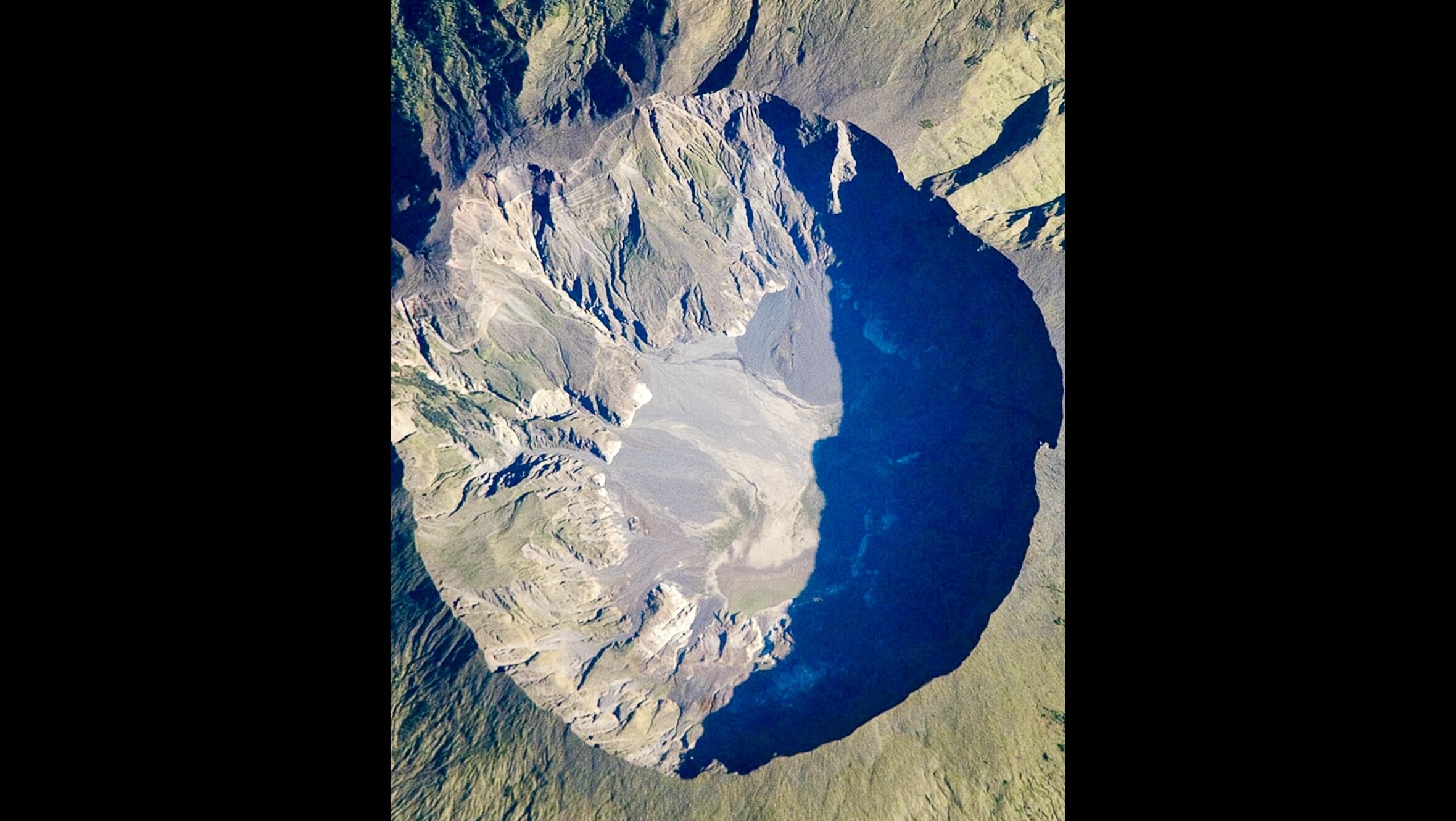
The eruption of Mount Tambora significantly altered the volcano’s structure, reducing its height by more than a kilometre and leaving a large caldera in its place. The event remains a key reference point in the study of volcanology and climate science.
Mount Tambora’s eruption in April 1815 is considered one of the most consequential natural disasters in history, due to both its immediate devastation and its lasting global effects.
About the Author Brad Socha is the founder of The Universal Record, an independent platform dedicated to sourced, factual reporting on global events. The publication focuses on delivering verified information without opinion or editorial bias. Based in Canada, the publication covers international news, geopolitics, technology, and global developments.



Leave a Reply