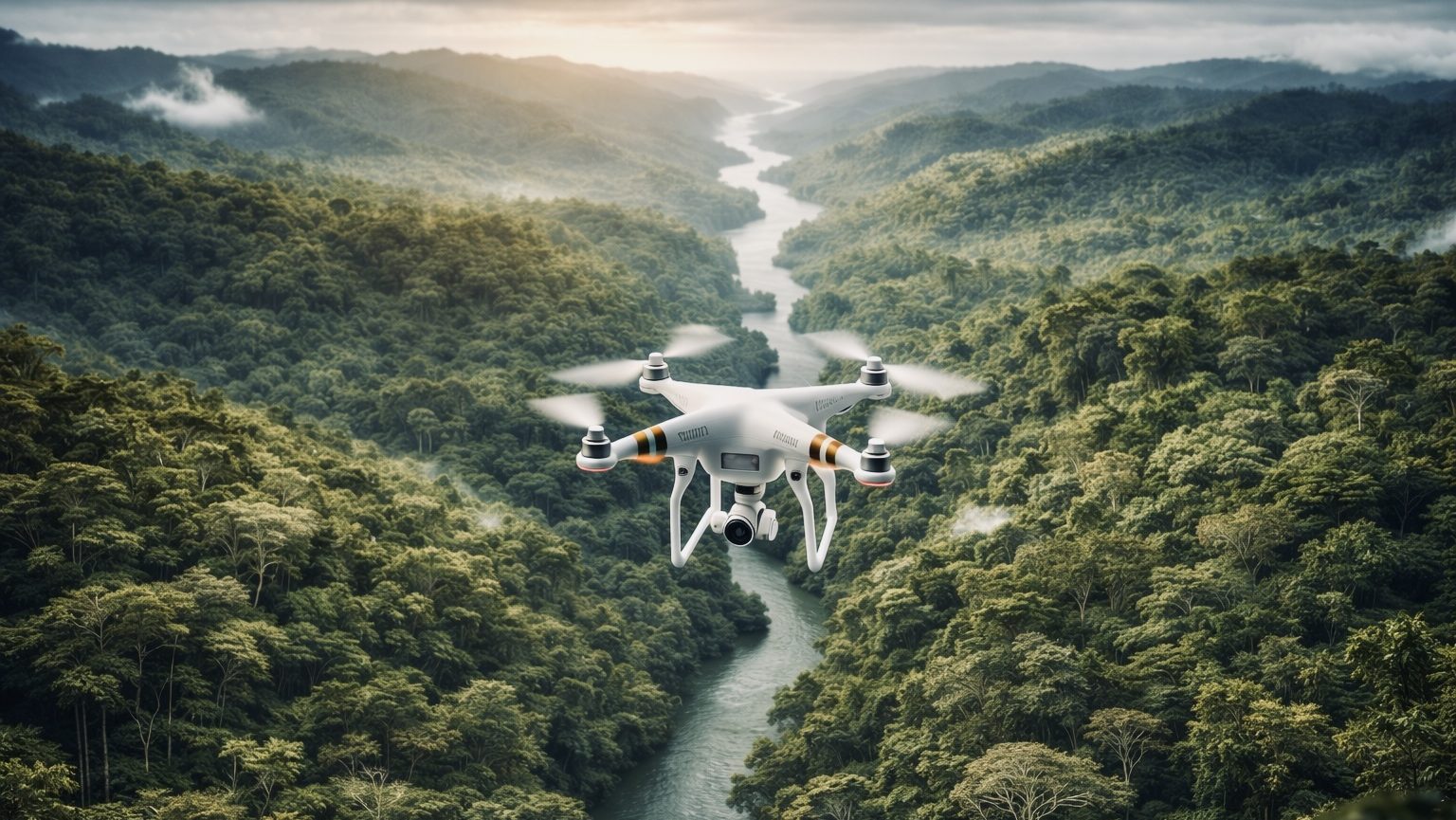
Artificial intelligence is increasingly being integrated into forestry management and conservation efforts worldwide in 2026, enabling faster data analysis, improved monitoring, and more precise decision-making across large and often remote ecosystems.
One of the most significant applications is wildfire detection and prevention. Satellite-based monitoring systems, including those supported by organizations such as NASA and the European Space Agency, use AI models to analyse thermal data, vegetation conditions, and weather patterns in near real time. These systems help identify early signs of wildfires, allowing authorities to respond more quickly and reduce damage.
AI is also being used to monitor forest health and biodiversity. Machine learning models analyse satellite imagery and drone data to detect changes in vegetation, identify disease outbreaks, and track wildlife populations. Conservation groups, including the World Wildlife Fund, have implemented AI-driven tools such as camera trap analysis systems that automatically identify species and monitor population trends.
In addition, AI-powered acoustic monitoring is being deployed in forest environments to detect sounds associated with illegal logging, poaching, and wildlife activity. These systems use pattern recognition to analyse audio data collected from remote sensors, providing continuous monitoring in areas that are difficult to patrol.
Artificial intelligence is also contributing to the discovery and analysis of plant species found in forest ecosystems, including those with potential medical applications. Researchers are using machine learning models to analyse large datasets of plant characteristics, genetic information, and chemical compositions to identify species that may contain compounds useful for pharmaceuticals. These systems can accelerate the screening process by identifying patterns that would be difficult to detect through traditional methods.
Organizations and research institutions are combining AI with biodiversity databases to map plant species across forest regions and assess their potential medicinal value. This approach supports efforts in drug discovery by helping scientists prioritize which plants to study further, particularly in biodiverse regions such as tropical rainforests.
Governments and forestry agencies are also using AI to support sustainable resource management. Predictive models help forecast tree growth, assess carbon storage, and plan logging activities in ways that minimize environmental impact. These tools are increasingly important in efforts to meet climate targets and manage carbon offset programs.
Private sector involvement is expanding as well. Technology companies such as Microsoft and Google have supported environmental AI initiatives through cloud computing platforms and data-sharing projects, enabling researchers and governments to process large-scale environmental datasets.
In regions such as Canada, Brazil, and Southeast Asia, AI is being applied to address deforestation by analysing satellite imagery to detect land-use changes and illegal clearing activities. These systems can identify deforestation patterns faster than traditional monitoring methods, improving enforcement and conservation outcomes.
AI is also contributing to reforestation efforts. Data-driven models are being used to identify optimal locations for tree planting based on soil quality, climate conditions, and ecosystem needs, improving the success rates of restoration projects.
Despite these advancements, challenges remain, including data limitations, implementation costs, and the need for coordination between governments, organizations, and local communities. There are also ongoing discussions about ensuring transparency and accountability in how AI systems are used in environmental decision-making.
The integration of artificial intelligence into forestry management reflects a broader shift toward technology-driven environmental stewardship. As these tools continue to develop, they are expected to play an increasingly important role in protecting forests, supporting climate initiatives, and advancing scientific discovery.
About the Author Brad Socha is the founder of The Universal Record, focused on sourced, factual global reporting. Coverage includes international news, geopolitics, technology, and major developments.