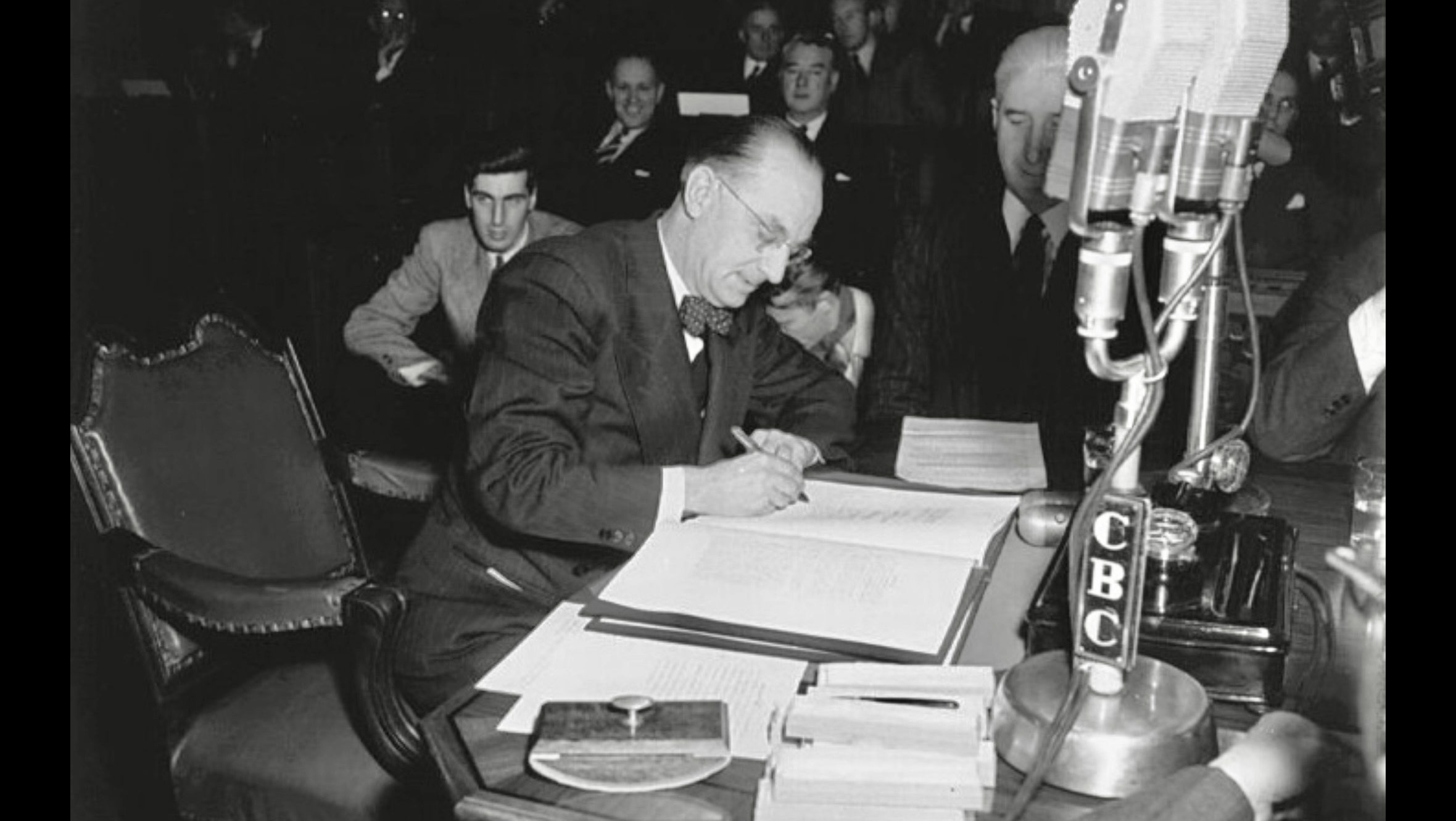
Newfoundland officially joined Canada on March 31, 1949, becoming the country’s tenth province following a closely contested public referendum. The decision marked a major turning point in Canadian history and reshaped the nation’s political and geographic landscape.
Prior to Confederation, Newfoundland operated as a British dominion but faced significant economic challenges, particularly during the Great Depression. Financial instability led to the suspension of self-government in 1934, with the territory administered by a British-appointed commission.
In 1948, two referendums were held to determine Newfoundland’s future. Voters were presented with options including responsible government, continued commission rule, or Confederation with Canada. After a second vote, a narrow majority supported joining Canada.
Economic considerations played a central role in the decision. Confederation offered financial stability, access to social programs, and integration into Canada’s national economy. Supporters argued it would improve living standards, while opponents raised concerns about loss of independence and cultural identity.
On March 31, 1949, Newfoundland formally entered Confederation, with Joey Smallwood becoming the province’s first premier. The move extended Canada’s territory further into the North Atlantic and strengthened its strategic and economic position.
Today, Newfoundland and Labrador remains a vital part of Canada, contributing to the country’s cultural identity and natural resource economy, particularly in fisheries and offshore energy.
About the Author Brad Socha is the founder of The Universal Record, focused on sourced, factual global reporting. Coverage includes international news, geopolitics, technology, and major developments.