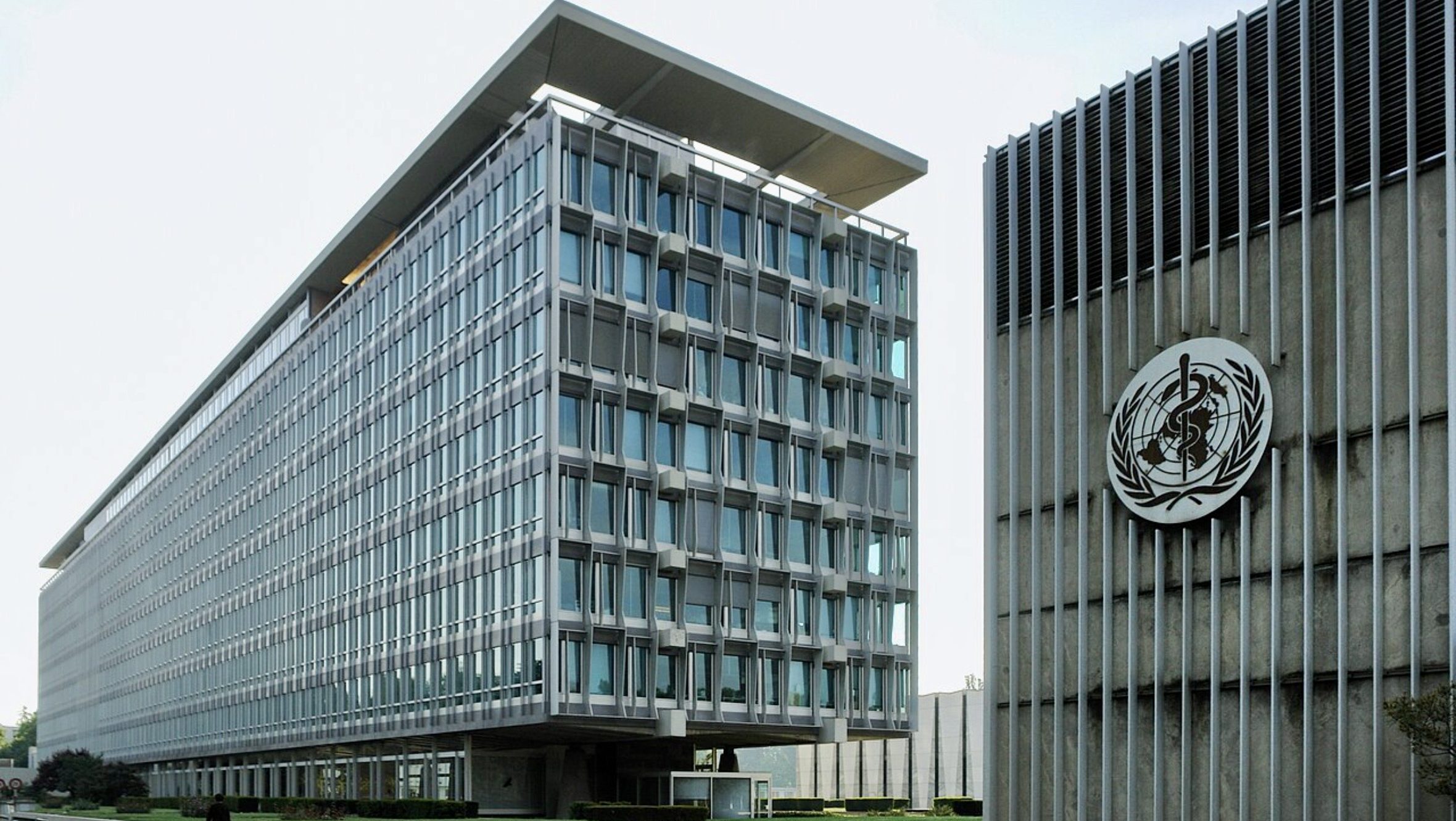
On March 11, 2020, the World Health Organization (WHO) officially declared the outbreak of COVID-19 a global pandemic. The announcement came as the virus spread rapidly across multiple continents, infecting large numbers of people and placing increasing strain on healthcare systems worldwide.
The declaration marked a major turning point in the international response to the virus and led governments across the world to implement emergency measures aimed at slowing transmission.
Emergence of the Virus
COVID-19 is caused by the coronavirus SARS-CoV-2. The earliest known outbreak was identified in late 2019 in the city of Wuhan after hospitals reported clusters of unusual pneumonia cases.
Chinese authorities notified the WHO of the outbreak in December 2019. Within weeks, the virus began spreading internationally as infected travellers carried it to other regions.
By early 2020, outbreaks had been confirmed across Asia, Europe, the Middle East, and North America.
The Pandemic Declaration
During a press briefing on March 11, 2020, WHO Director-General Tedros Adhanom Ghebreyesus announced that the global situation had reached pandemic status.
At the time:
More than 118,000 confirmed cases had been reported worldwide
The virus had spread to over 110 countries
Thousands of deaths had already occurred
The WHO stated the declaration was intended to highlight the severity of the global situation and encourage governments to act quickly.
Unprecedented Global Measures
Following the declaration, governments around the world introduced emergency public health measures in an attempt to slow transmission.
These measures included:
Large-scale lockdowns and stay-at-home orders
Border closures and travel restrictions
Suspension of public gatherings
School and university shutdowns
Rapid expansion of testing and hospital capacity
In many countries these actions represented some of the most extensive public health restrictions implemented in modern history.
The pandemic also caused major economic disruption, affecting international travel, global supply chains, and financial markets.
Vaccine Development
In response to the global health crisis, scientists and pharmaceutical companies accelerated efforts to develop vaccines.
Several vaccines were authorised for emergency use beginning in late 2020, including those produced by Pfizer and Moderna.
Many of these vaccines used messenger RNA (mRNA) technology, a vaccine platform that had been studied for years but had not previously been deployed on a global scale before the COVID-19 pandemic.
Because the vaccines were developed during an ongoing global emergency, research into long-term effects and outcomes has continued in the years following their rollout.
Investigations Into the Origin
The exact origin of SARS-CoV-2 remains the subject of ongoing scientific investigation.
Researchers have examined several possible explanations, including natural transmission from animals to humans.
The city of Wuhan is also home to the Wuhan Institute of Virology, a laboratory known for studying coronaviruses, including research involving virus modification and gain-of-function experiments, a type of research that can involve altering viruses to study their transmissibility or behavior.
Whether the pandemic originated from natural spillover or another pathway remains under investigation by scientists and international health organizations.
Historical Significance
The COVID-19 pandemic became one of the most significant global events of the 21st century. It reshaped healthcare systems, economic policies, travel, education, and global public health preparedness.
March 11, 2020 is widely remembered as the moment when the world formally recognised the scale of the crisis.
About the Author Brad Socha is the founder of The Universal Record, focused on sourced, factual global reporting. Coverage includes international news, geopolitics, technology, and major developments.