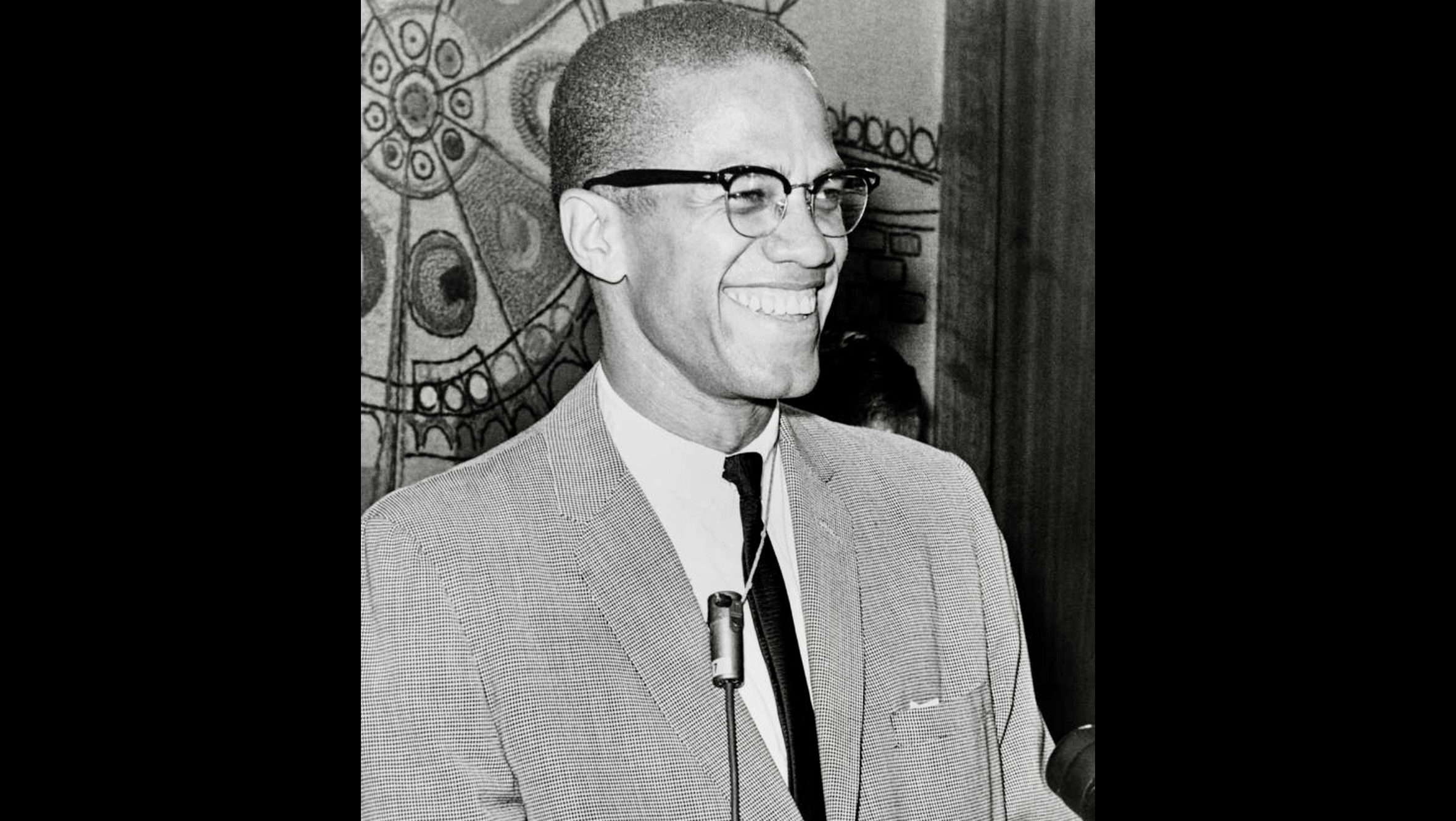
On February 21, 1965, civil rights leader Malcolm X was assassinated while preparing to address supporters at the Audubon Ballroom in Manhattan, New York City. The killing ended the life of one of the most influential and controversial figures of the American civil rights era.
Malcolm X, born Malcolm Little in 1925, became nationally known as a spokesman for the Nation of Islam before later establishing his own organizations, including the Muslim Mosque, Inc. and the Organisation of Afro-American Unity. His speeches and writings focused on racial justice, self-determination, and human rights during a period of significant social change in the United States.
The shooting occurred shortly after Malcolm X arrived on stage to speak before a crowd of supporters. Multiple gunmen opened fire, striking him numerous times. He was transported to a nearby hospital, where he was pronounced dead later that day at the age of 39.
Authorities arrested several suspects in connection with the assassination. Three men were ultimately convicted, although the case remained the subject of debate and legal review for decades. In 2021, two of those convictions were vacated after a re-examination of evidence by New York officials, leading to renewed discussion about the investigation and the circumstances surrounding the case.
Malcolm X’s influence extended beyond his lifetime. Following a pilgrimage to Mecca in 1964, he adopted a broader international perspective on racial equality and increasingly advocated for global human rights. His autobiography, speeches, and political ideas continue to be studied and discussed around the world.
Historians regard Malcolm X as one of the most significant figures of the twentieth-century civil rights movement. His life and legacy remain central to conversations about race, justice, political activism, and social change in the United States and beyond.
About the Author Brad Socha is the founder of The Universal Record, focused on sourced, factual global reporting. Coverage includes international news, geopolitics, technology, and major developments.