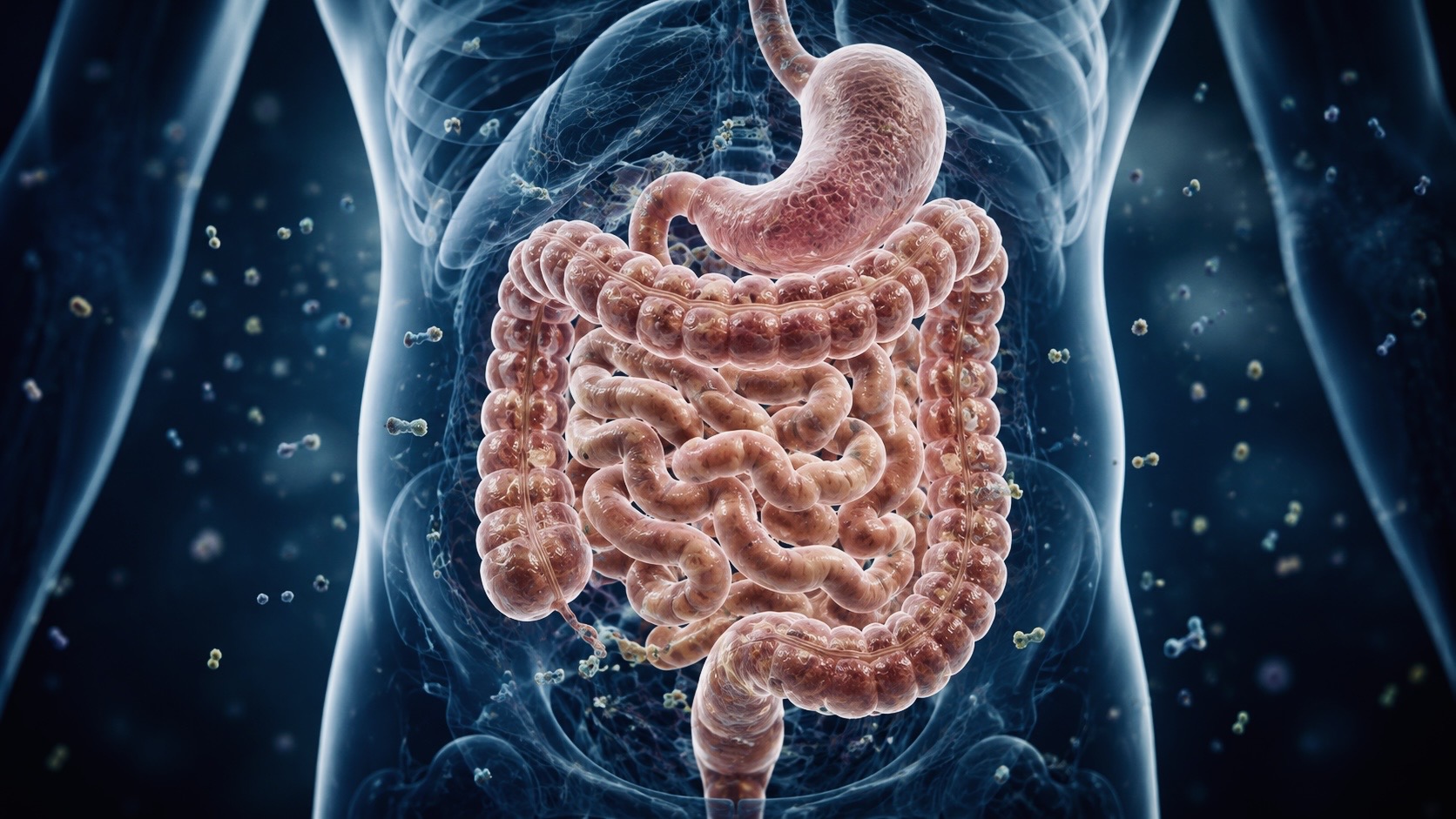
Scientists are discovering that the gut microbiome influences digestion, immunity, metabolism and even brain function, but many popular health claims remain unproven.
The human body is home to trillions of microorganisms that quietly influence many aspects of health. Collectively known as the gut microbiome, this complex community of bacteria, viruses, fungi and other microbes helps digest food, supports the immune system and produces compounds essential for normal body function. As research expands, scientists are also uncovering connections between the gut and the brain, raising new questions about how these microscopic organisms may influence physical and mental well-being.
Interest in the microbiome has grown rapidly over the past decade, fueled by advances in DNA sequencing and large international research efforts such as the Human Microbiome Project. While scientists have confirmed many important functions of the microbiome, they also caution that much remains unknown, and many commercial claims about gut health currently outpace the available evidence.
Understanding the Gut Microbiome
The gut microbiome refers to the vast collection of microorganisms living primarily in the large intestine. Although bacteria receive the most attention, the microbiome also includes viruses, fungi and other microscopic organisms that interact with each other and with the human body.
Every person’s microbiome is unique. Factors including genetics, age, birth method, diet, medications, environment and lifestyle all influence which microbes become established and how they change throughout life.
Many of these microorganisms perform beneficial functions. They help break down dietary fiber that the body cannot digest on its own, producing short-chain fatty acids that nourish cells lining the colon and contribute to intestinal health. Certain gut bacteria also produce vitamins, including vitamin K and several B vitamins.
The microbiome also plays a central role in the immune system. Researchers estimate that a large proportion of immune cells are associated with the gastrointestinal tract, where they constantly interact with microorganisms. This ongoing communication helps train the immune system to distinguish between harmless microbes and potentially harmful pathogens.
Scientists are also investigating the gut-brain axis, a network of communication connecting the digestive system and the brain through nerves, hormones and immune signaling. Although research has identified links between gut microbes and brain function, experts emphasize that many findings remain preliminary, particularly in humans.
What Shapes Gut Health?
Diet is considered one of the strongest influences on the microbiome. Studies consistently show that diets rich in fruits, vegetables, legumes, whole grains, nuts and other fiber-rich foods promote greater microbial diversity, which is generally associated with better health.
Fiber serves as food for beneficial bacteria, allowing them to produce compounds that help reduce inflammation and maintain the protective lining of the intestine. Fermented foods such as yogurt, kefir, kimchi, sauerkraut and miso may also introduce live microorganisms or encourage the growth of beneficial microbes, although their long-term effects vary between individuals.
Antibiotics can dramatically alter the microbiome by killing harmful bacteria along with many beneficial species. In most healthy individuals, the microbiome gradually recovers after treatment, but repeated or unnecessary antibiotic use may reduce microbial diversity and increase the risk of certain infections, including Clostridioides difficile.
Other factors, including physical activity, sleep quality, stress, smoking and alcohol consumption, also appear to influence the composition of the microbiome. Researchers continue to study how these lifestyle factors interact over time.
The growing popularity of probiotic and prebiotic supplements has created a multibillion-dollar global market. However, medical organizations note that evidence supporting many over-the-counter products remains limited. Different probiotic strains perform different functions, meaning results observed in one study cannot automatically be applied to all products.
Healthcare providers generally recommend obtaining nutrients from a balanced diet before turning to supplements unless there is a specific medical indication.
Scientists are also exploring more advanced therapies, including fecal microbiota transplantation (FMT). This procedure transfers healthy donor microbes into the intestinal tract of another patient and has proven highly effective for treating recurrent Clostridioides difficile infections. Researchers are investigating whether similar approaches may eventually help treat other conditions, but evidence remains insufficient for widespread use beyond approved indications.
The microbiome has also become a focus of research into obesity, type 2 diabetes, inflammatory bowel disease, allergies, colorectal cancer and autoimmune disorders. Although many studies have found associations between microbial changes and these diseases, scientists continue to investigate whether those changes are a cause, a consequence or part of a more complex biological process.
Experts also caution against microbiome testing marketed directly to consumers. While several companies offer personalized analyses and dietary recommendations based on stool samples, many researchers say current science does not yet support highly individualized health advice from these tests alone.
What is becoming increasingly clear is that maintaining overall health also supports a healthier microbiome. Eating a varied, fiber-rich diet, limiting ultra-processed foods, staying physically active, managing stress, getting adequate sleep and using antibiotics only when medically necessary are among the most consistently supported recommendations.
The gut microbiome remains one of the fastest-growing fields in medical research. Each year, scientists uncover new insights into how these microscopic organisms interact with the human body, but they also continue to refine earlier assumptions. While many questions remain unanswered, current evidence suggests that caring for the trillions of microbes living in the digestive tract may play an important role in supporting long-term health.
About the Author Brad Socha is the founder of The Universal Record, focused on sourced, factual global reporting. Coverage includes international news, geopolitics, technology, and major developments.