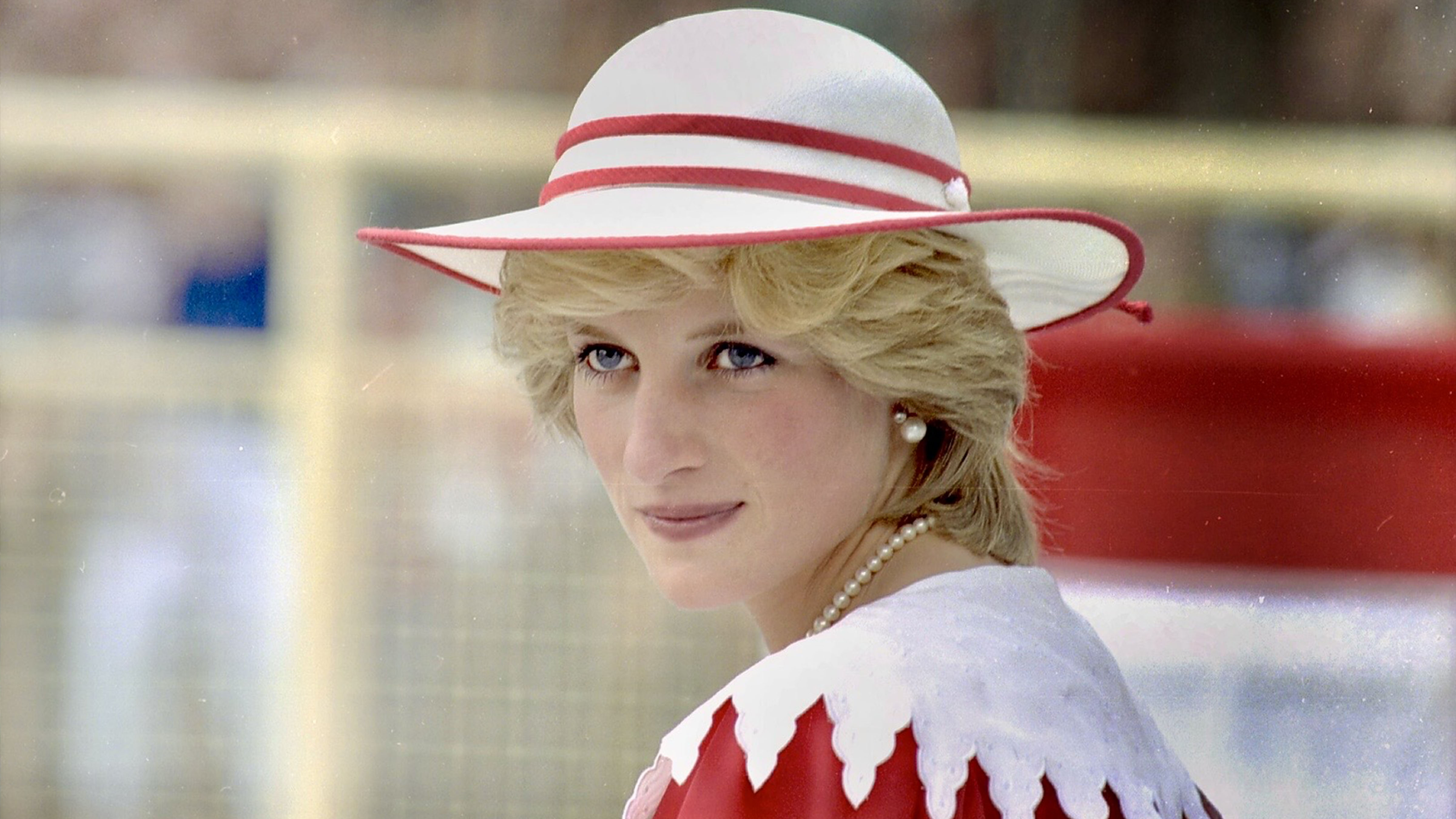
Her death at 36 brought an extraordinary worldwide outpouring of grief, while her humanitarian work and approach to public life left an influence that extended far beyond the monarchy.
THE UNIVERSAL RECORD
Sourced reporting. No opinions.
Brad Socha | August 31, 2026 | 5:00 AM EST
In the early hours of August 31, 1997, Diana, Princess of Wales, died after a car carrying her crashed in the Pont de l’Alma underpass in Paris. She was 36.
Diana’s companion, Dodi Fayed, and the car’s driver, Henri Paul, also died. Bodyguard Trevor Rees-Jones survived. The sudden death of one of the world’s most recognizable public figures produced an extraordinary international reaction, with flowers, messages and public gatherings appearing across Britain and far beyond.
Yet the enduring significance of Diana’s life reaches beyond the circumstances of the crash. During years of intense public attention, she used her visibility to draw attention to AIDS, homelessness, leprosy and landmines, often bringing an unusually personal style to causes surrounded by fear, stigma or limited public awareness.
Her death ended that work abruptly. It also began a period of mourning that became a defining cultural moment of the late 20th century.
Diana Beyond the Royal Family
Born Diana Frances Spencer on July 1, 1961, she became Lady Diana Spencer in 1975 when her father inherited the title Earl Spencer. Her marriage to Charles, Prince of Wales, at St Paul’s Cathedral on July 29, 1981, transformed the 20-year-old into an international figure.
Their sons, William and Harry, were born in 1982 and 1984.
Diana undertook extensive royal duties and became associated with more than 100 charities during her marriage. But some of her most influential work came through direct encounters with people facing illnesses or circumstances that carried considerable social stigma.
Her involvement with HIV/AIDS became particularly significant during the 1980s, when misinformation about transmission remained widespread. Diana’s willingness to meet and physically interact with people living with HIV helped challenge public fear at a time when even ordinary contact with patients was sometimes wrongly regarded as dangerous.
After separating from Charles in 1992 and divorcing in 1996, Diana reduced the number of organizations with which she was formally associated but retained several prominent roles. These included connections with Centrepoint, the National AIDS Trust, the Leprosy Mission, Great Ormond Street Hospital and the Royal Marsden Hospital.
During the final year of her life, another humanitarian issue became closely associated with her name.
In January 1997, Diana travelled to Angola and visited areas affected by anti-personnel landmines. Images of her walking through a cleared section of a minefield helped bring enormous international attention to weapons that could remain lethal to civilians long after fighting had ended.
She later supported mine-awareness efforts in the United States and travelled to Bosnia in August 1997, only weeks before her death.
Diana did not create the international movement to prohibit anti-personnel mines; governments, the International Committee of the Red Cross and a broad coalition of humanitarian organizations had worked on the issue for years. Her global profile, however, gave the campaign extraordinary visibility during a decisive period.
The Mine Ban Treaty was opened for signature in Ottawa in December 1997, several months after her death.
The Crash and a Worldwide Response
On the evening of August 30, Diana and Fayed left the Hôtel Ritz Paris in a Mercedes-Benz S280. Shortly after midnight, the vehicle entered the Pont de l’Alma road tunnel and crashed.
Fayed and Paul died at the scene. Diana was taken to Pitié-Salpêtrière Hospital, where doctors attempted to save her. Her death was announced in the early morning of August 31.
The crash was followed by years of investigations, legal proceedings and speculation. French investigators concluded that Paul had been driving at high speed while impaired by alcohol and prescription medication. A lengthy British Metropolitan Police investigation, Operation Paget, later examined allegations that Diana and Fayed had been deliberately killed and found no evidence supporting a conspiracy to murder them.
A British inquest concluded in 2008 that Diana and Fayed had been unlawfully killed through the grossly negligent driving of Paul and the pursuing paparazzi vehicles. The jury also identified the failure of Diana and Fayed to wear seat belts as a contributing factor.
Those findings matter because the circumstances of Diana’s death have repeatedly been surrounded by claims that extend well beyond the evidence established by official investigations.
The immediate public response, however, required no speculation.
Mourners gathered outside royal residences and left vast numbers of flowers, cards and other tributes. Diana’s body was returned to Britain, and the days that followed brought intense public attention to both the Royal Family and the way the monarchy responded to an unusually visible expression of grief.
Her funeral was held at Westminster Abbey on September 6. Representatives of charities with which Diana had worked joined members of her family in the procession. The service was broadcast internationally and watched by a vast global audience.
Afterward, her coffin was taken to Althorp, the Spencer family’s estate in Northamptonshire, where she was buried privately on an island in the Round Oval lake.
Diana’s legacy has continued through the humanitarian causes she supported and through organizations and initiatives established in her memory. Her sons have also carried forward elements of that work, including efforts involving mental health, homelessness and landmine clearance.
Her public image remains complex. Diana was simultaneously a member of the Royal Family, an international celebrity, a mother living under extraordinary media scrutiny and an increasingly independent humanitarian advocate.
What remains firmly documented is the reach she gave to causes that often struggled for attention. Her encounters with AIDS patients challenged stigma. Her visits to communities affected by landmines brought cameras to people living with the remnants of war.
The events in Paris on August 31, 1997, made Diana’s death a global story. The work that preceded them explains why, nearly three decades later, her life continues to command attention.
Sources:
The Royal Family — Diana, Princess of Wales
https://www.royal.uk/diana-princess-wales
Westminster Abbey — Diana, Princess of Wales
https://www.westminster-abbey.org/abbey-commemorations/royals/diana-princess-of-wales
International Committee of the Red Cross — Diana and the Campaign Against Anti-Personnel Landmines
https://blogs.icrc.org/hdtse/2022/08/31/il-y-a-25-ans-le-combat-de-la-princesse-diana-contre-les-mines-antipersonnel/
International Committee of the Red Cross — Cornelio Sommaruga and the Campaign to Prohibit Anti-Personnel Landmines
https://www.icrc.org/en/document/cornelio-sommaruga-president-icrc-1987-1999
The Royal Family — Diana’s Landmine Legacy in Angola
https://www.royal.uk/duke-and-duchess-sussex-visit-southern-africa
About the Author
Brad Socha is the founder of The Universal Record, focused on sourced, factual global reporting. Coverage includes international news, geopolitics, technology, and major developments.