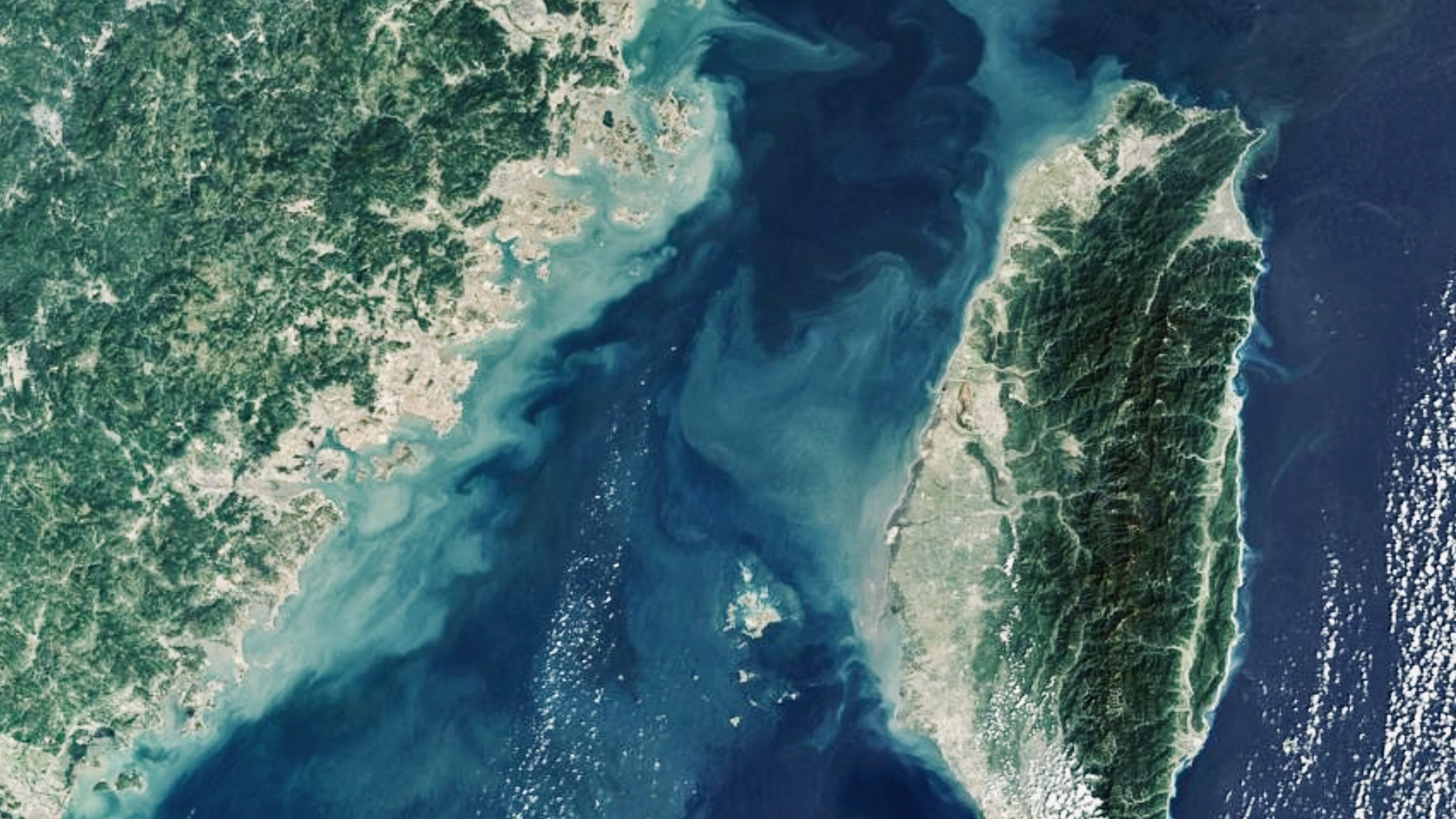
Taiwan has emerged once again as the most dangerous flashpoint in global geopolitics after Chinese President Xi Jinping warned U.S. President Donald Trump that mishandling the Taiwan issue could push relations between the world’s two largest powers into “a very dangerous place.” The warning came during a high-stakes two-day summit in Beijing that has rapidly become one of the most closely watched international meetings of 2026.
The renewed tensions matter globally because Taiwan now sits at the center of the modern technology economy, international shipping routes, military strategy, and global supply chains. Any significant escalation involving Taiwan could disrupt semiconductor production, financial markets, artificial intelligence development, and international trade on a worldwide scale.
The summit between Trump and Xi was originally expected to focus heavily on trade, tariffs, artificial intelligence cooperation, and economic stabilization following months of geopolitical instability linked to Iran and global shipping concerns. Instead, Taiwan quickly became the dominant issue overshadowing much of the visit.
According to multiple verified international reports, Xi warned Trump that if the Taiwan issue is handled improperly, relations between the United States and China could face “clashes and even conflicts.” Chinese state media and foreign ministry summaries emphasized that Taiwan remains the most sensitive issue in bilateral relations.
Trump arrived in Beijing seeking economic agreements and signs of improved stability between Washington and Beijing. Discussions reportedly included trade barriers, semiconductor exports, rare earth minerals, artificial intelligence, energy cooperation, and military tensions in Asia.
Despite ceremonial displays of friendship and public remarks emphasizing cooperation, the summit revealed how fragile the relationship between the two countries remains beneath the surface.
Taiwan continues to represent one of the world’s most complex geopolitical disputes. China views the self-governing island as part of its territory and has repeatedly stated it intends to achieve eventual reunification. Taiwan, meanwhile, operates with its own democratic government, military, economy, and international partnerships.
The United States officially maintains a “One China” policy while also remaining legally committed to assisting Taiwan’s defense capabilities. Washington has continued approving military support packages and strategic cooperation with Taipei, actions Beijing strongly opposes.
The Taiwan issue carries enormous global economic importance because Taiwan produces a substantial share of the world’s advanced semiconductors. These chips power modern smartphones, artificial intelligence systems, military equipment, vehicles, cloud computing infrastructure, and data centers.
Analysts have repeatedly warned that a conflict involving Taiwan could create economic disruptions far beyond previous regional crises.
During the summit, Xi reportedly urged Trump to avoid policies or military actions that China could interpret as support for Taiwanese independence. Chinese officials also criticized continued U.S. arms sales to Taiwan and increased American military activity in the Indo-Pacific region.
At the same time, Trump and Xi attempted to present an image of stability publicly. Both leaders spoke about improving communication and maintaining constructive relations between the two nations. Chinese media described the discussions as “strategic and stable,” while Trump stated he hoped relations with China would become “stronger and better than ever before.”
Behind the diplomatic language, however, the warnings surrounding Taiwan reflected growing distrust between Washington and Beijing.
The summit also unfolded during broader global uncertainty. Concerns surrounding the Iran conflict, oil market volatility, shipping disruptions, and rising military spending have already placed pressure on global markets in recent months. Investors are now increasingly focused on the possibility that tensions surrounding Taiwan could add another major source of instability.
Financial markets responded cautiously as reports from Beijing emerged. Semiconductor companies, defense stocks, and global manufacturing sectors were closely monitored throughout the summit as investors assessed the geopolitical risks.
Taiwan’s own government also remains under pressure. Recent reports indicated Taiwan may seek renewed parliamentary approval for additional defense spending after portions of a proposed military budget were rejected earlier this year. American officials have reportedly continued encouraging Taiwan to strengthen its defense readiness amid increasing military pressure from China.
The summit additionally highlighted the broader strategic rivalry between the United States and China. Beyond Taiwan, disputes continue over artificial intelligence leadership, military influence in Asia, trade restrictions, cybersecurity, rare earth minerals, and international alliances.
Several analysts noted that while both governments appear eager to avoid open conflict, Taiwan increasingly represents the point where strategic competition between the two nations could become most dangerous.
For now, no major breakthroughs on Taiwan were announced during the summit. However, the language used by Chinese officials marked one of the clearest warnings issued publicly during a major diplomatic meeting in recent years.
As Trump concludes his Beijing visit, global attention remains fixed on whether continued diplomacy can prevent tensions surrounding Taiwan from escalating further.
About the Author Brad Socha is the founder of The Universal Record, focused on sourced, factual global reporting. Coverage includes international news, geopolitics, technology, and major developments.