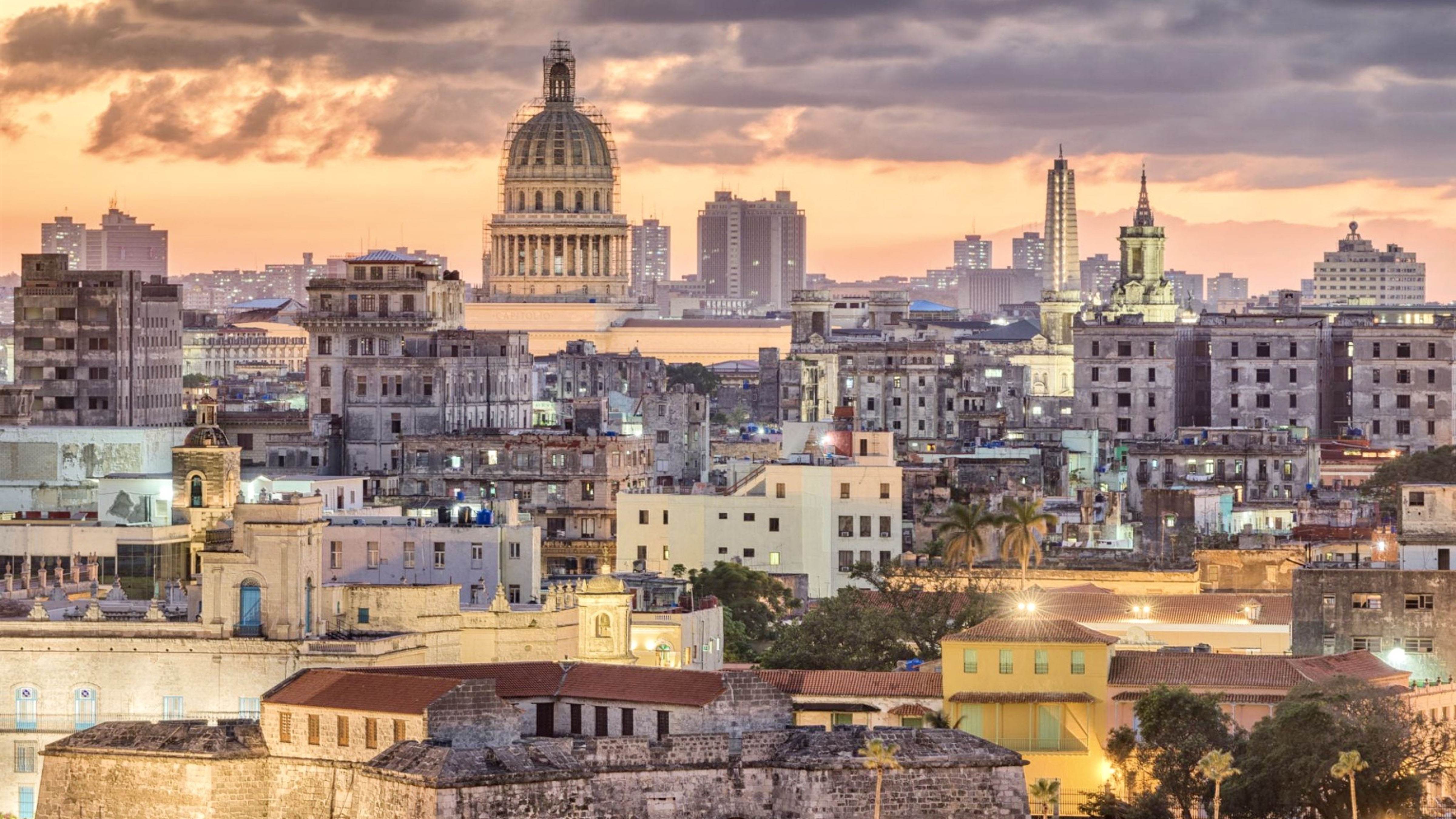
Cuba Latin America developments in 2026 reflect a region navigating economic pressure, political recalibration, and evolving global partnerships. From Cuba’s ongoing financial crisis to shifting alliances across Latin America, recent developments highlight how governments are responding to inflation, energy challenges, migration pressures, and geopolitical competition between major powers.
Cuba remains at the centre of regional attention as it continues to face one of its most severe economic crises in decades. Persistent shortages of fuel, food, and basic goods have driven inflation and prompted ongoing migration. Power outages have also intensified, affecting both urban and rural areas, as the country struggles with outdated infrastructure and limited access to foreign currency. The Cuban government has taken steps to stabilise the economy, including expanding the role of small private businesses and seeking new foreign investment, but structural challenges remain significant.
Tourism, a critical source of revenue for Cuba, has shown gradual recovery but still falls short of pre-pandemic levels. Efforts to attract visitors from Europe, Canada, and Latin America continue, while relations with the United States remain constrained under existing sanctions. Cuba has increasingly looked to partners such as Russia and China for economic support, highlighting a broader shift in geopolitical alignment across the region.
Elsewhere in Latin America, economic conditions remain mixed. Countries such as Argentina continue to face high inflation and fiscal instability, with recent policy reforms aimed at reducing government spending and stabilising currency markets. Brazil, the region’s largest economy, has focused on balancing economic growth with environmental commitments, particularly in relation to Amazon conservation and international climate agreements.
Mexico has strengthened its position as a key manufacturing hub, benefiting from nearshoring trends as companies relocate production closer to North American markets. This shift has brought increased foreign investment but also raised concerns about infrastructure capacity and labour conditions. Meanwhile, Central American countries continue to grapple with economic inequality and security challenges, contributing to ongoing migration flows toward the United States.
Energy has emerged as a central theme across the region. Several Latin American countries are investing in renewable energy projects, including solar, wind, and hydroelectric power, as part of broader efforts to reduce reliance on fossil fuels. At the same time, oil-producing nations such as Venezuela are attempting to revive output amid changing global energy markets and shifting sanctions policies. Venezuela’s political situation remains complex, with negotiations between government and opposition groups continuing under international observation.
Regional cooperation has also taken on renewed importance. Latin American leaders have held multiple summits focused on trade integration, climate policy, and collective economic resilience. Organisations such as the Community of Latin American and Caribbean States (CELAC) have sought to strengthen regional dialogue and reduce dependence on external powers, although differing political ideologies among member states continue to pose challenges.
Migration remains a defining issue across Latin America. Economic hardship, political instability, and climate-related disruptions have contributed to rising migration flows within the region and toward North America. Governments are working to manage these movements through bilateral agreements and humanitarian initiatives, but the scale of migration continues to test resources and infrastructure.
China’s growing influence in Latin America has become increasingly evident, with expanded investment in infrastructure, technology, and energy projects. Many countries in the region have welcomed these investments as a means of boosting economic growth, though concerns about debt and long-term dependency persist. At the same time, the United States has sought to reinforce its presence through trade partnerships and diplomatic engagement, underscoring the region’s strategic importance.
Political dynamics across Latin America remain diverse, with a mix of left-leaning and conservative governments shaping policy direction. Elections in several countries have reflected shifting public sentiment, often driven by economic concerns and demands for reform. In some cases, political polarisation has intensified, while in others, governments have pursued pragmatic approaches to economic management and international relations.
Looking ahead, Cuba and the broader Latin American region face a period of continued transformation. Economic recovery, energy transition, and geopolitical alignment will likely define the next phase of development. While challenges remain, including inflation, inequality, and infrastructure limitations, the region also holds significant potential for growth through strategic investment, regional cooperation, and integration into global supply chains.
About the Author Brad Socha is the founder of The Universal Record, focused on sourced, factual global reporting. Coverage includes international news, geopolitics, technology, and major developments.