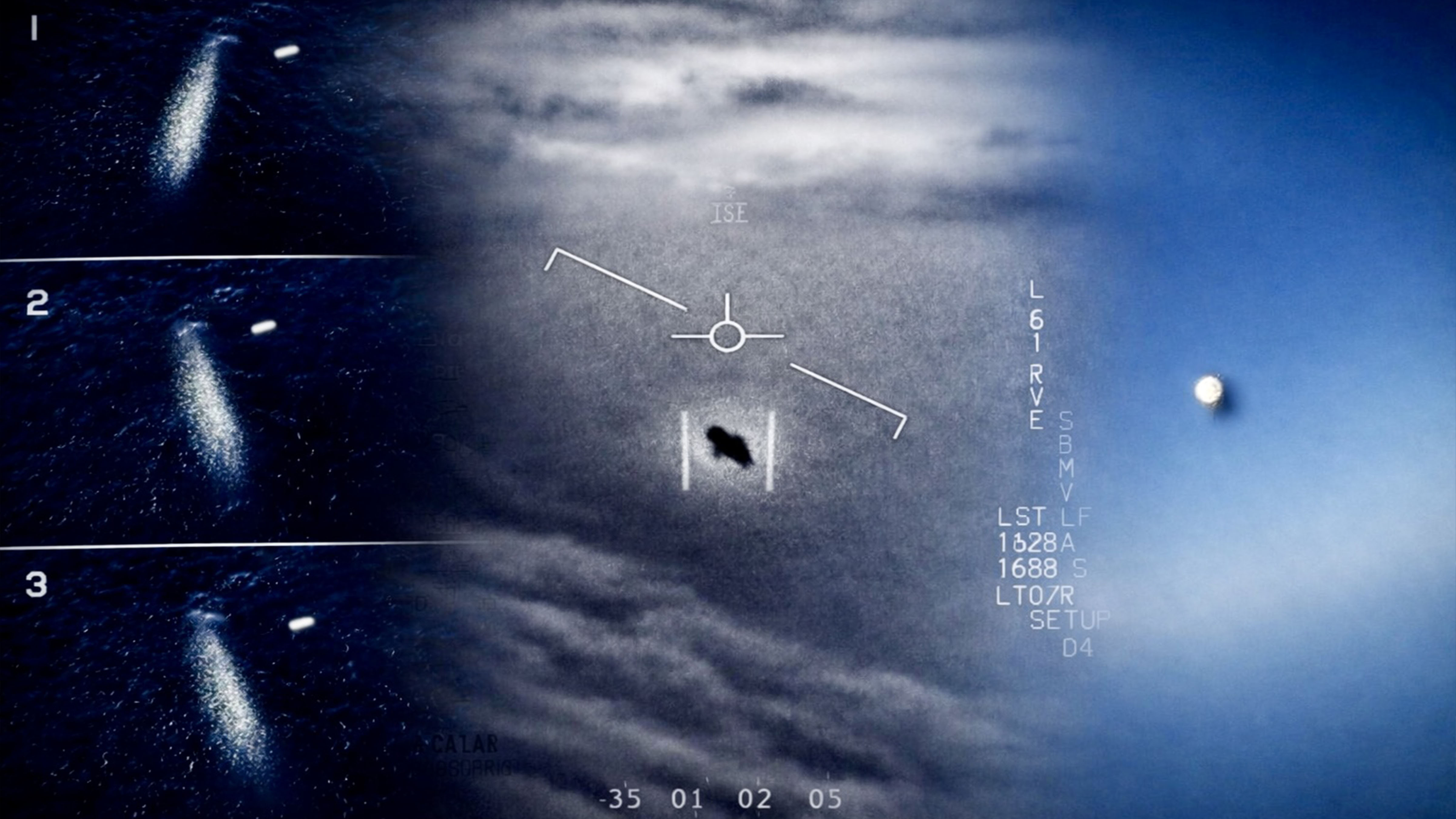
The U.S. government’s long-running effort to disclose more information about unidentified anomalous phenomena, or UAPs, has entered a new phase in 2026, with fresh political pressure, an active archival pipeline, and renewed public focus on records that officials have not yet released. While a single large “dump” of files has not been officially scheduled, the overall direction of policy is now clearly toward broader disclosure.
The strongest official signal came in February, when President Donald Trump said he would direct the Pentagon chief and other relevant agencies to begin identifying and releasing government files related to alien and extraterrestrial life, UAPs, and UFOs. That directive did not include a full release schedule, but it marked a significant shift by placing federal agencies under explicit pressure to move declassification forward.
Congressional pressure increased again on April 1, when the House Committee on Oversight and Government Reform’s Task Force on the Declassification of Federal Secrets said it was continuing its investigation into UAP transparency. In a letter to the Department of War secretary, Task Force Chair Anna Paulina Luna requested specific video files related to UAP sightings, citing whistleblower claims that the All-domain Anomaly Resolution Office, or AARO, possesses additional video records of potential UAP incidents. The committee also said UAP activity around restricted U.S. airspace raises security concerns for military readiness.
At the agency level, AARO remains the central federal office for UAP investigation. Its public website says the office leads the U.S. government’s effort to address UAP using a rigorous scientific framework and a data-driven approach. AARO is already publishing selected official imagery and records online, including unresolved cases, resolved balloon cases, and reports still under analysis. That means the current debate is no longer about whether any UAP information will be released, but how much more is still being withheld and how quickly agencies will transfer it.
The National Archives has also built a formal structure for ongoing disclosure. NARA says it established an Unidentified Anomalous Phenomena Records Collection under the 2024 National Defense Authorization Act and that agencies are required to identify, prepare, and transfer UAP records into Record Group 615. NARA also says publicly releasable records will continue to be added on a rolling basis and made available online through the National Archives Catalog. In practical terms, that creates a standing federal mechanism for future UAP file releases rather than a one-time event.
What remains unclear is the scope of the next release. Official sources confirm that the White House, Congress, AARO, and NARA are all involved in a broader disclosure process, but they do not yet define how many additional videos, reports, or classified assessments will be made public in the near term. The current picture suggests that more material is likely coming, though the exact timing and content remain uncertain.
The issue also carries broader implications beyond public curiosity. UAP records are being framed not only as a transparency matter, but as a national security question involving restricted airspace, military operations, and the credibility of federal oversight. That is one reason the subject has moved from fringe political territory into mainstream government review.
For now, the most verifiable conclusion is that the United States is not yet at full disclosure, but it is more institutionally committed to UAP records release than at any previous point. The combined effect of presidential direction, congressional investigation, official archival requirements, and AARO’s existing publication program has created the clearest federal disclosure pipeline yet.
About the Author Brad Socha is the founder of The Universal Record, focused on sourced, factual global reporting. Coverage includes international news, geopolitics, technology, and major developments.