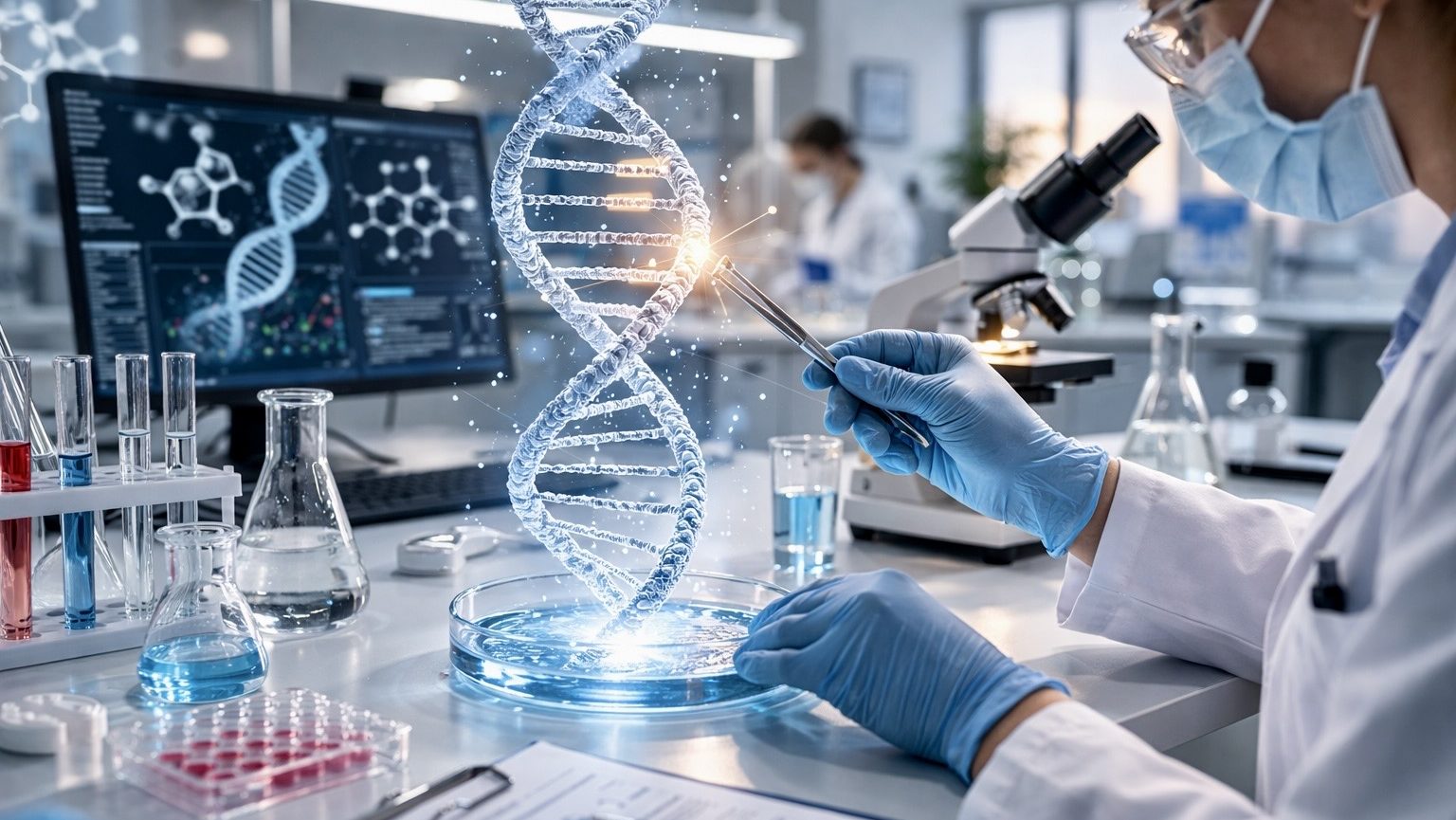
Gene Editing Breakthroughs Raise Global Ethical Questions
Rapid advances in CRISPR technology are accelerating a new era in medicine, agriculture, and biotechnology while intensifying international debate over how far genetic engineering should go.
Gene editing technologies are evolving rapidly as researchers around the world push the boundaries of what is scientifically possible. CRISPR-based systems are now being used in experimental treatments for inherited diseases, cancer therapies, agricultural engineering, and public health research, placing gene editing at the centre of one of the most significant scientific transformations of the modern era.
Medical researchers continue expanding the use of CRISPR and related editing tools to target genetic disorders with increasing precision. Clinical trials involving sickle cell disease, beta thalassemia, inherited blindness, and certain immune system conditions have demonstrated promising early results. Scientists say the technology could eventually allow doctors to correct harmful mutations before symptoms become severe, potentially reshaping long-term treatment strategies for many chronic illnesses.
Beyond healthcare, gene editing is also transforming agriculture. Researchers are developing crops designed to withstand drought, extreme temperatures, pests, and disease as climate pressures intensify globally. Some scientists are also exploring genetically modified insects capable of reducing the spread of mosquito-borne illnesses such as malaria and dengue fever. Governments and agricultural industries increasingly view these technologies as potential tools for strengthening food security and improving resilience against climate-related disruptions.
At the same time, the rapid pace of development has intensified ethical and regulatory concerns. One of the most controversial areas involves the possibility of editing human embryos, which could permanently alter genetic traits passed down through future generations. Critics warn that the long-term consequences remain uncertain and could create serious medical, ethical, and societal risks if the technology advances faster than international oversight frameworks.
Bioethicists and public health experts have also raised concerns about unequal access to advanced genetic treatments. Many experimental therapies remain extremely expensive and limited to specialized facilities, raising fears that gene editing breakthroughs could widen existing healthcare disparities between wealthy and lower-income populations.
International regulators are still struggling to establish consistent standards governing human genetic modification. Some countries maintain strict restrictions on embryo editing and germline research, while others continue expanding biotechnology investment and research capabilities. The lack of unified global regulation has created growing debate over whether international agreements will eventually be required to govern future applications.
Security experts have additionally warned about potential misuse. As biotechnology tools become more accessible and affordable, concerns are increasing about unauthorized experimentation, unregulated private clinics, and the possibility of genetic technologies being used irresponsibly outside established scientific safeguards.
Despite those concerns, many researchers argue that gene editing remains one of the most promising scientific developments of the century. Supporters point to its potential to reduce suffering caused by inherited diseases, improve agricultural productivity, and accelerate medical innovation in areas where traditional treatments have struggled for decades.
The broader challenge facing governments, scientists, and regulators is balancing innovation with long-term responsibility. Gene editing technologies continue advancing at extraordinary speed, but the ethical, medical, and geopolitical implications are evolving just as quickly.
As investment in biotechnology expands globally, the future of CRISPR and related genetic engineering systems will likely remain at the centre of international scientific, regulatory, and ethical debate for years to come.
About the Author Brad Socha is the founder of The Universal Record, focused on sourced, factual global reporting. Coverage includes international news, geopolitics, technology, and major developments.