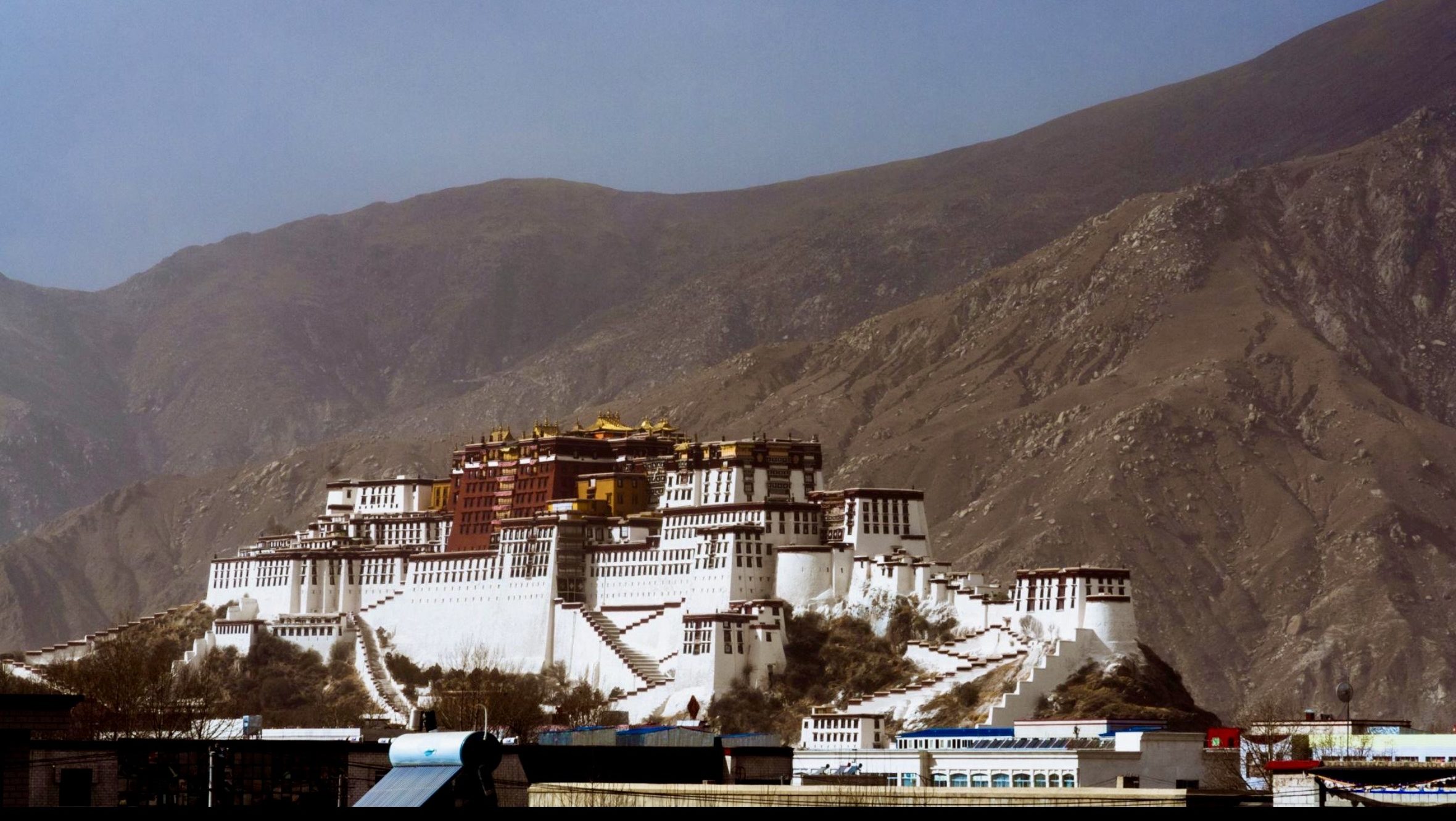
In March 1959, the 14th Dalai Lama fled Tibet after a major uprising in the Tibetan capital of Lhasa against the rule of the People’s Republic of China. The events marked a turning point in Tibet’s modern history and led to the long-term exile of Tibet’s spiritual and political leader.
Tensions in Tibet had been growing throughout the 1950s after Chinese forces entered the region in 1950 and established control over the territory. Beijing described the move as a “peaceful liberation” intended to integrate Tibet into the Chinese state, while many Tibetans viewed it as the loss of their independence and traditional political system.
By early March 1959, unrest had escalated in Lhasa. Large numbers of Tibetans gathered around the residence of the Dalai Lama, fearing that Chinese authorities might detain him or remove him from the city. Protests quickly spread, and armed clashes broke out between Tibetan resistance groups and Chinese forces.
On March 17, 1959, as fighting intensified in and around Lhasa, the Dalai Lama made the decision to leave the city in secret. Disguised and accompanied by a small group of advisers and guards, he began a difficult journey across the Himalayas toward India.
The escape route took the group through mountainous terrain and remote regions while Chinese forces attempted to suppress the uprising in Tibet. After travelling for roughly two weeks, the Dalai Lama and his party successfully crossed the border into India.
The government of India granted him political asylum, and he eventually settled in the northern Indian town of Dharamshala. There he established the Tibetan government-in-exile, which continues to advocate for Tibetan cultural preservation and autonomy.
Following the uprising, Chinese forces moved to firmly consolidate control over Tibet. Major political and social changes were implemented, including the dismantling of Tibet’s traditional monastic and aristocratic systems and the integration of the region into China’s administrative structure.
The Dalai Lama has remained in exile since 1959 and has become an internationally recognized advocate for non-violence, dialogue, and the preservation of Tibetan culture and religion. He was awarded the Nobel Peace Prize for his efforts to promote peaceful solutions to the Tibetan issue.
The events of March 1959 remain one of the most significant moments in modern Tibetan history and continue to influence discussions about Tibet’s political status, cultural identity, and relations with China.
About the Author Brad Socha is the founder of The Universal Record, focused on sourced, factual global reporting. Coverage includes international news, geopolitics, technology, and major developments.